brachystegia spp., Fabaceae, Angiospermae (Hardwood)
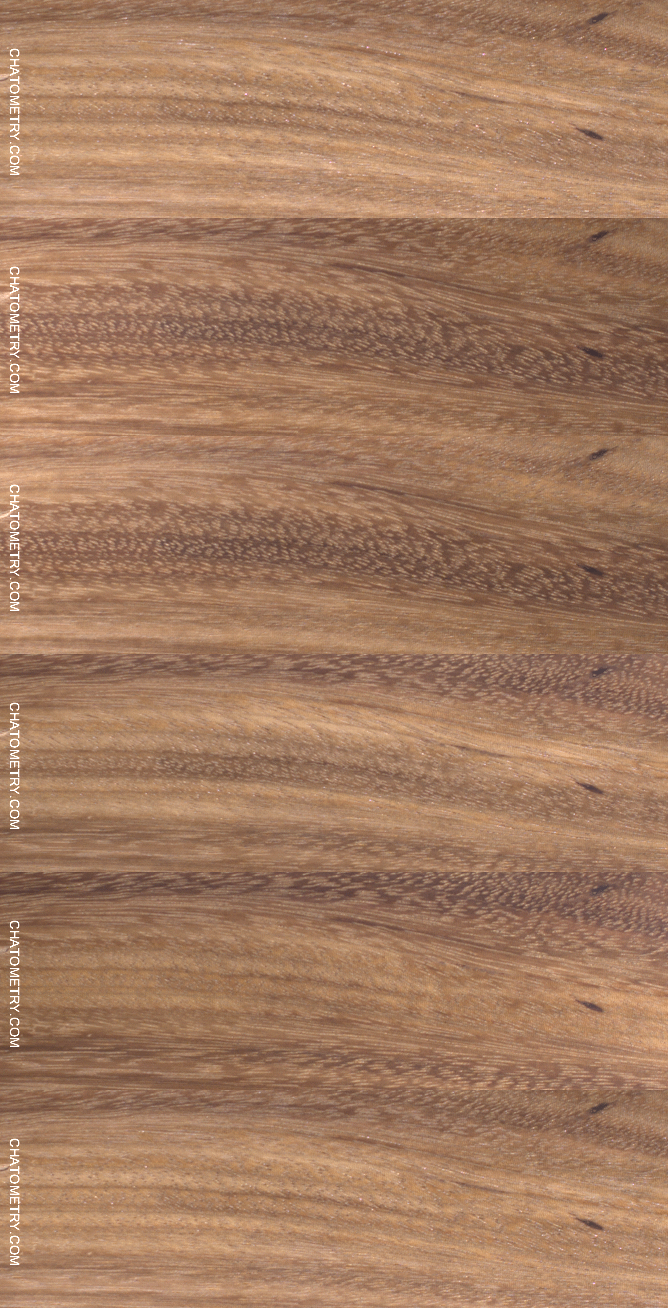
Other names: Ékop-évène, Ékop-léké, Ariella, Nzang, Yegna
Chatoyance was measured by the chatometry.com team using the PZC method. The statistics for this specific timber are hereby summarized to provide an evaluation of data robustness:
Number of sources for samples: 4
Number of individual trees analyzed: 5
Number of specimens: 10
Number of measurements: 33
Max PZC read (of all measurements): 19.6
Min PZC read (of all measurements): 15.1
Max PZC average on one log: 18.2
Min PZC average on one log: 15.9
PZC Average of all logs: 17.5
Species: brachystegia spp.
Family: Fabaceae
Clade: Angiospermae
Description: Brachystegia spp. are medium to large deciduous trees of the Fabaceae family, dominant in African Miombo woodlands. They feature pinnate leaves, often with striking reddish new foliage, and produce woody, explosively dehiscent pods.
Other Local Names: Ékop-évène, Ékop-léké, Ariella, Nzang, Yegna, Ariella
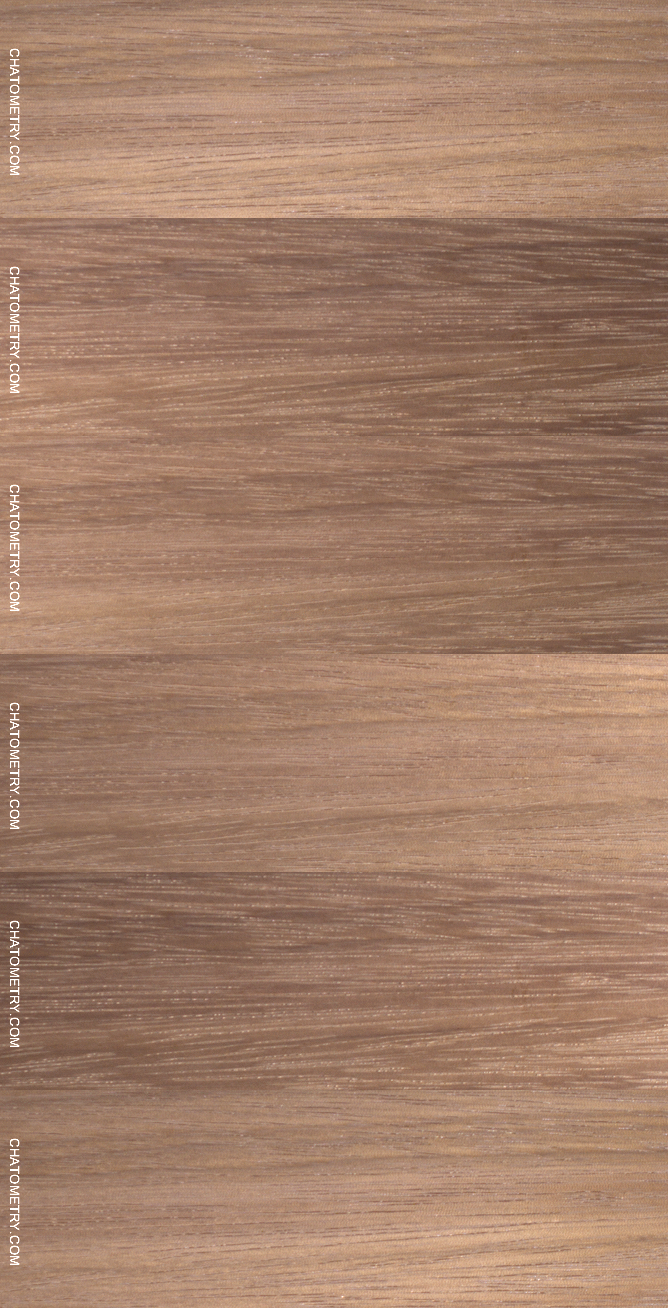
Reference Colour: Light brown
Texture: Medium
Grain: Straight or interlocked
Interlocked Grain: Slight
Notes: Sapwood very wide and easily attacked by insects. Wood light brown, with copper brown veins. Possible wind shakes (internal fractures in wood).
Diameter: 80÷120cm
Density @12% MC: 560kg/m³
Janka Hardness: 870lbf
Crushing Strength @12%MC: 49MPa
Static Bending Strength @12%MC: 85MPa
Longitudinal Modulus of Elasticity E: 12.4GPa
Volumetric Shrinkage Coefficient: 0.4% per %
Total Tangential Shrinkage TS: 6%
Total Radial Shrinkage TS: 3.7%
T/R Anisotropy Ratio: 1.6-
Fibre Saturation Point: 28%
Thermal Conductivity: 0.19W/mk
Lower Heating Value: 19220KJ/Kg
Sapwood Thickness: 10÷15cm
Sapwood Demarcation: Clearly demarcated
Resistance to Decay: Class 3 – moderately durable
Resistance to Dry Wood Borers: Class D – durable (sapwood demarcated, risk limited to sapwood) BOMANGA / ARIELLA* Cross sections of Brachystegia laurentii
Resistance to Termites: Class M – moderately durable
Treatability: Class 3 – poorly treatable
Use Class Covered by Natural Durability: Class 2 – inside or under cover (dampness possible)
Durability Notes: A preservation treatment is recommended as sawnwoods often contain sapwood.
Log Buoyancy: Does not float
Log Conservation: Moderate (treatment recommended)
Drying Rate: Slow
Drying Risk of Distortion: High risk
Drying Risk of Case Hardening: No known specific risk
Drying Risk of Checking: High risk
Blunting Effect: Normal
Sawing Tooth: Ordinary or alloy steel
Machining Tool: Ordinary
Suitability for Peeling: Good
Suitability for Slicing: Good
Assembly Nailing Screwing: Good
End Uses: Framing, Interior joinery, Cabinetry (high-end furniture), Built-in furniture or mobile item, Boxes and crates, House framing, Stairs (inside), Blockboard, Veneer for back or face of plywood, Fibre or particle boards, Veneer for interior of plywood, Flooring, Panelling, Sliced veneer, Glued Laminated, Cooperage
Source 1: Tropical Timber Atlas, Editions Quae, e-ISBN 978-2-7592-2770-9
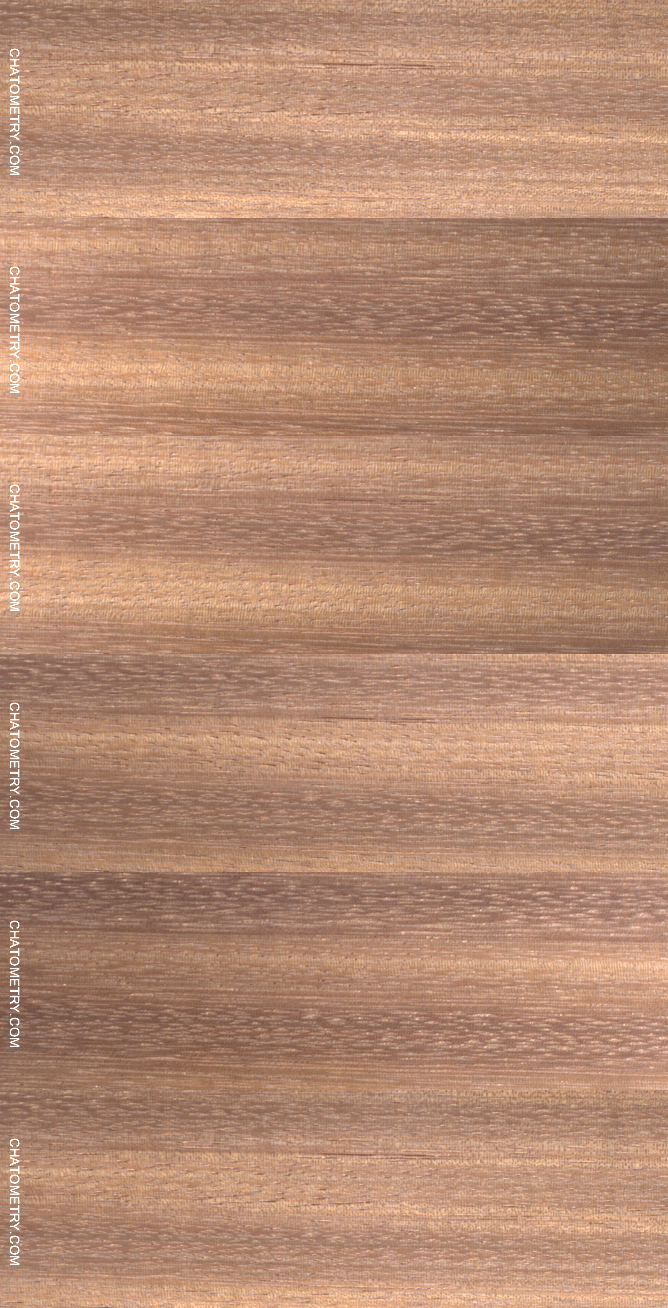
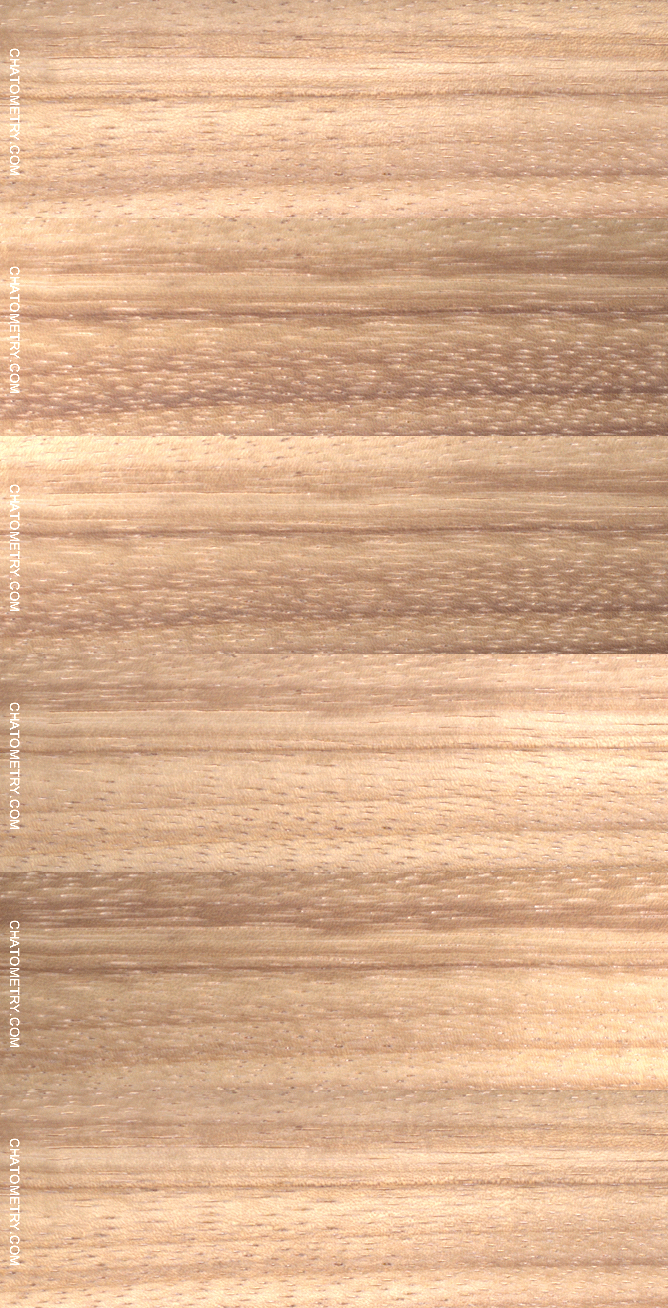
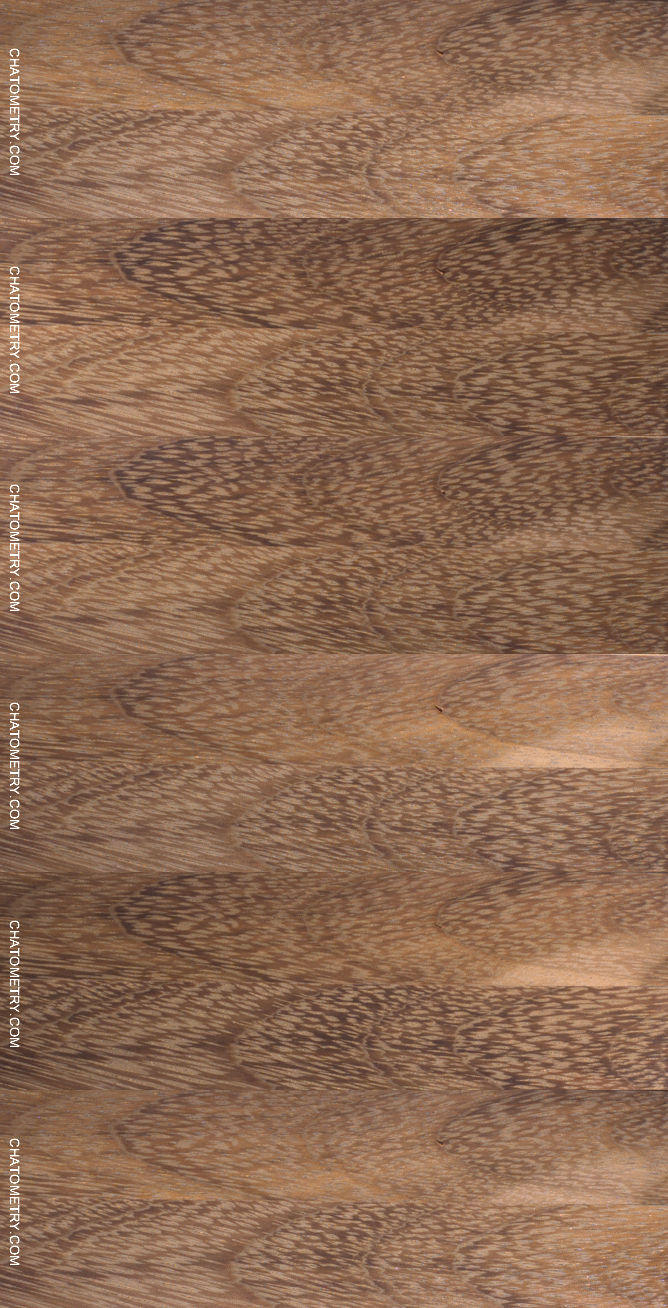
Pictures – each from a different individual tree:
See also
LARGE GIFS 4
[Previous] —————— [Next]
Want to know more? Get Woodworker’s Guide to Chatoyance!


… and enjoy the read!