calophyllum brasiliense, Calophyllaceae, Angiospermae (Hardwood)
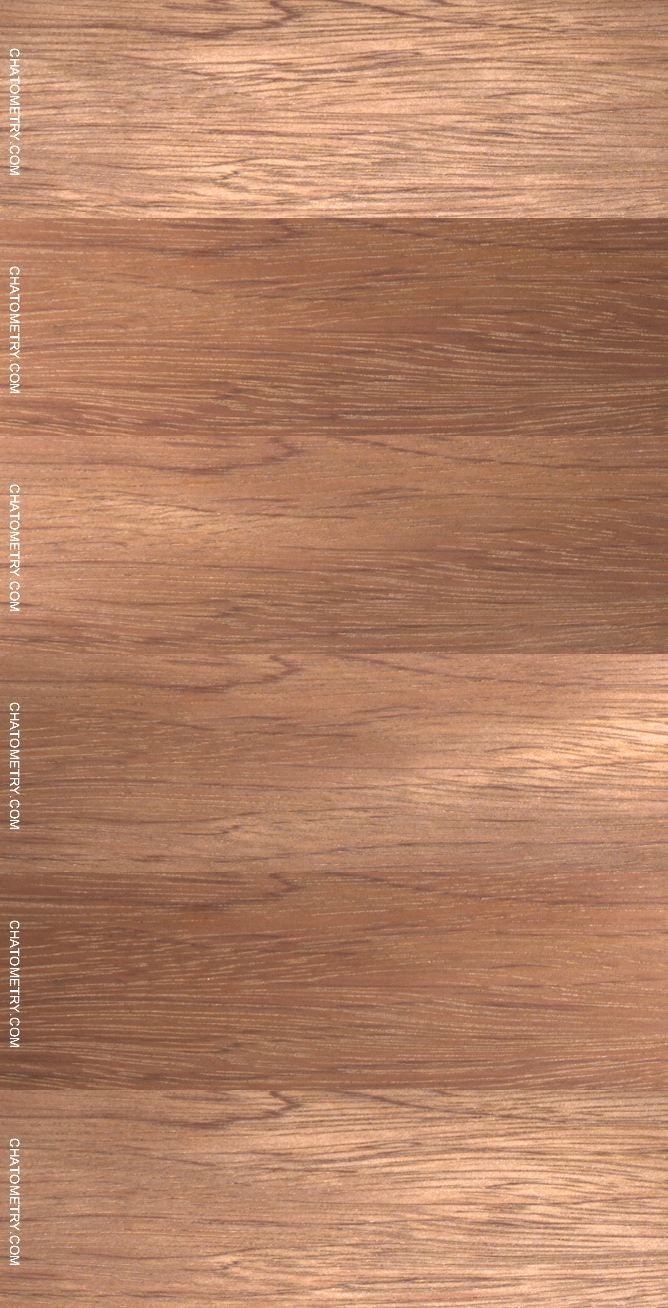
Other names: Santa maria, Balsa maria, Cedro do pantano, Guanandi, Aceite mario, Aceite cachicamo, Mario, Bella maria, Maria, Kurahara, Alfaro, Lagarto-caspi, Cachicamo, Palo maria
Chatoyance was measured by the chatometry.com team using the PZC method. The statistics for this specific timber are hereby summarized to provide an evaluation of data robustness:
Number of sources for samples: 4
Number of individual trees analyzed: 4
Number of specimens: 9
Number of measurements: 27
Max PZC read (of all measurements): 26.5
Min PZC read (of all measurements): 20.3
Max PZC average on one log: 25.2
Min PZC average on one log: 21.4
PZC Average of all logs: 23.6
Species: calophyllum brasiliense
Family: Calophyllaceae
Clade: Angiospermae
Description: Calophyllum brasiliense is a medium to large evergreen tree with glossy, dark green, leathery leaves featuring prominent parallel veins. It produces small, fragrant white flowers followed by spherical green fruits that ripen to yellow-brown. Valued for its durable timber and ornamental use.
Other Local Names: Jacareuba, Santa maria, Balsa maria, Cedro do pantano, Guanandi, Aceite mario, Aceite cachicamo, Mario, Bella maria, Maria, Kurahara, Santa maria, Santa maria, Alfaro, Jacareuba, Lagarto-caspi, Kurahara, Cachicamo, Palo maria
Reference Colour: Light brown
Texture: Medium
Grain: Interlocked grain
Interlocked Grain: Marked
Notes: Heartwood is pink light brown with thin darker veins. Occasional presence of resin.
Diameter: 40÷100cm
Density @12% MC: 650kg/m³
Janka Hardness: 900lbf
Crushing Strength @12%MC: 58MPa
Static Bending Strength @12%MC: 94MPa
Longitudinal Modulus of Elasticity E: 14.84GPa
Volumetric Shrinkage Coefficient: 0.57% per %
Total Tangential Shrinkage TS: 8.1%
Total Radial Shrinkage TS: 5.5%
T/R Anisotropy Ratio: 1.5-
Fibre Saturation Point: 28%
Thermal Conductivity: 0.22W/mk
Sapwood Thickness: 5÷7cm
Sapwood Demarcation: Clearly demarcated
Resistance to Decay: Class 2 – durable
Resistance to Dry Wood Borers: Class D – durable (sapwood demarcated, risk limited to sapwood)
Resistance to Termites: Class S – susceptible
Treatability: Class 3 – poorly treatable
Use Class Covered by Natural Durability: Class 3 – not in ground contact, outside JACAREÚBA
Durability Notes: Poorly to moderately resistant to termites. According to the European standard NF EN 335 of May 2013, performance length might be modified by conditions in which it is used.
Log Buoyancy: Does not float
Log Conservation: Moderate (treatment recommended)
Sawing Machining Notes: Some difficulties with sawing and machining due to interlocked grain. Resin can sometimes clog tools.
Assembly Notes: Tends to split with nailing.
Additional Notes: Filling is recommended to obtain a better finish. Some uses mentioned call for a, slight interlocked grain
End Uses: Shingles, Interior joinery, Ship building (planking and deck), Built-in furniture or mobile item, Boxes and crates, Flooring, Open boats, Sliced veneer, Veneer for back or face of plywood, Bridges (parts not in contact with water, Veneer for interior of plywood or ground), Panelling, Cooperage
Source 1: Tropical Timber Atlas, Editions Quae, e-ISBN 978-2-7592-2770-9
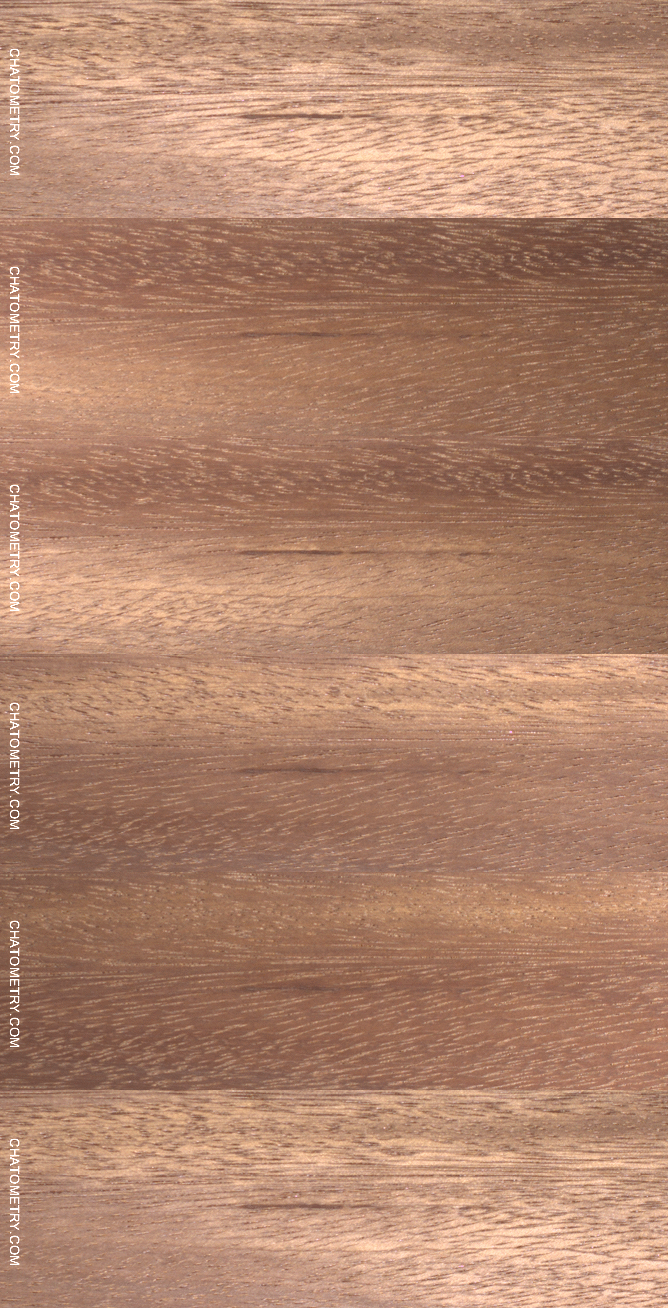
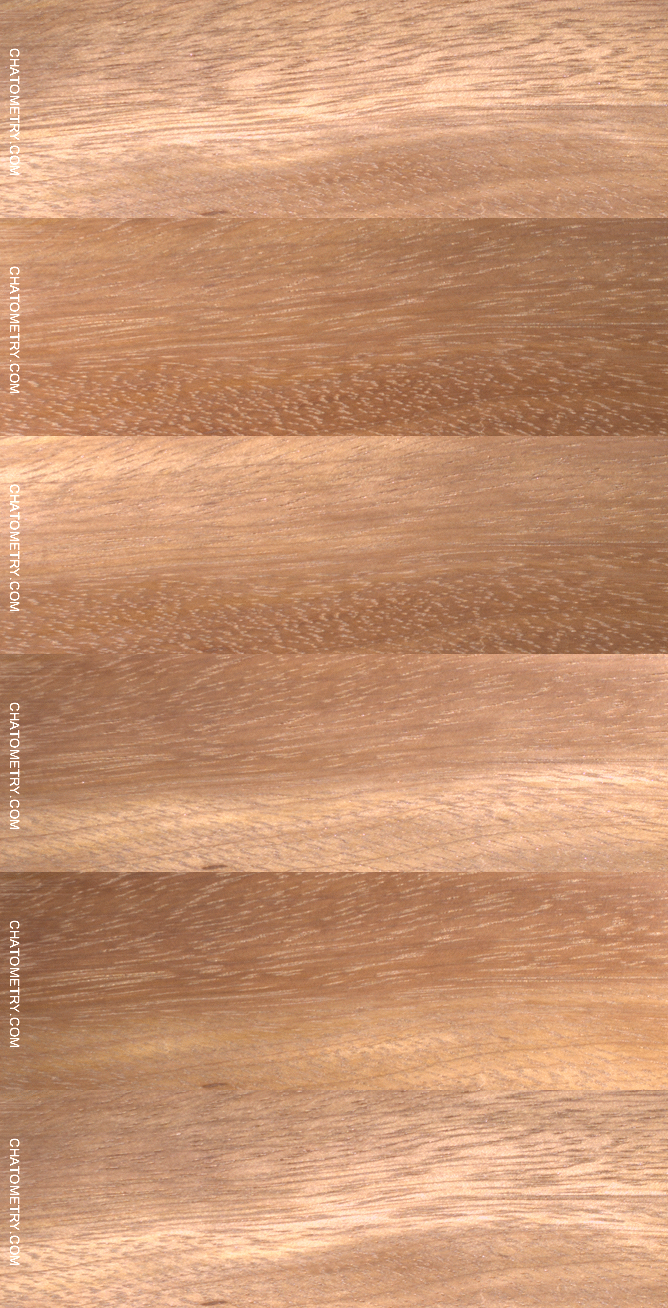
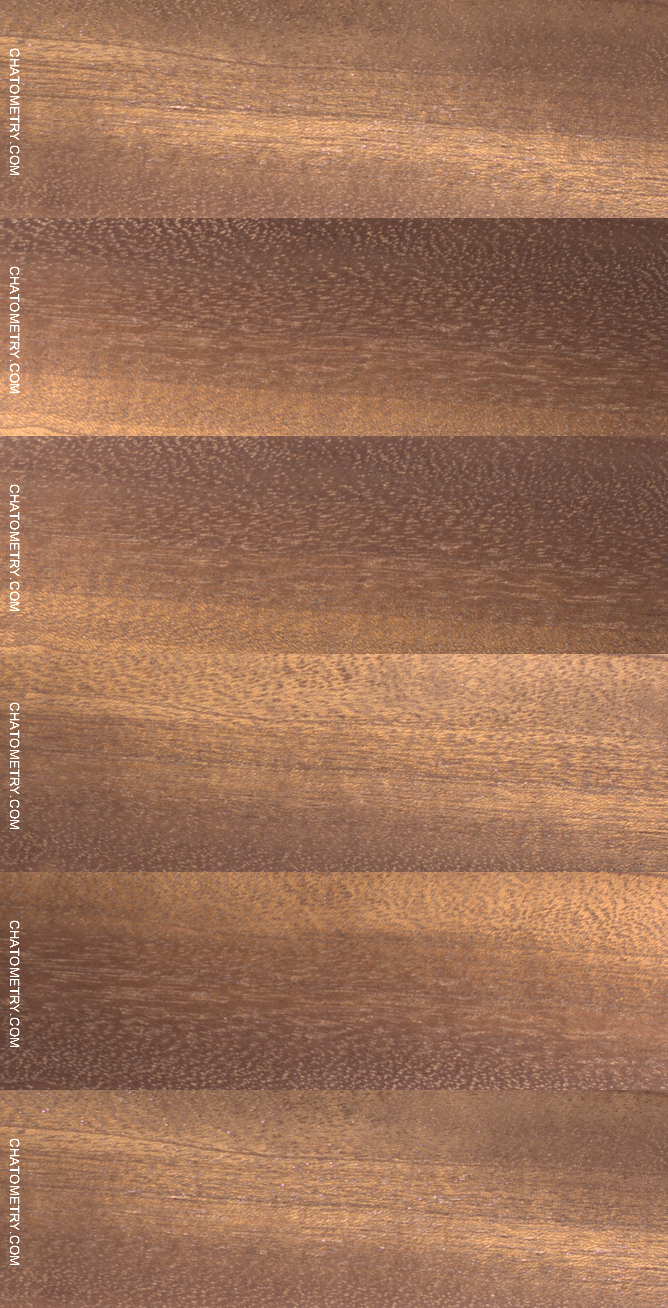
Pictures – each from a different individual tree:
[Previous] —————— [Next]
Want to know more? Get Woodworker’s Guide to Chatoyance!


… and enjoy the read!