aucoumea klaineana, Burseraceae, Angiospermae (Hardwood)
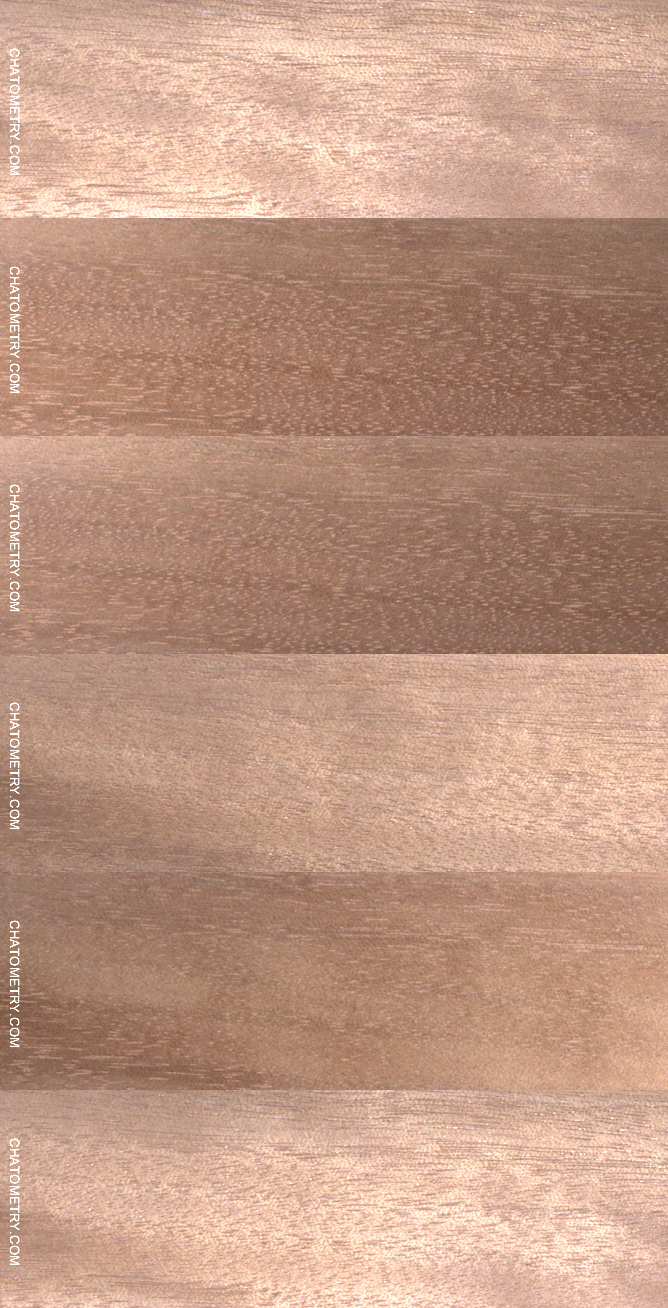
Other names: Mfumu, N’kumi, Angouma, N’goumi, Okume, Gaboon
Chatoyance was measured by the chatometry.com team using the PZC method. The statistics for this specific timber are hereby summarized to provide an evaluation of data robustness:
Number of sources for samples: 12
Number of individual trees analyzed: 12
Number of specimens: 46
Number of measurements: 144
Max PZC read (of all measurements): 28.1
Min PZC read (of all measurements): 10.5
Max PZC average on one log: 27.5
Min PZC average on one log: 14.7
PZC Average of all logs: 21.1
Species: aucoumea klaineana
Family: Burseraceae
Clade: Angiospermae
Description: Large West African tropical hardwood tree, known for its straight, cylindrical bole and reddish-brown heartwood, highly valued for plywood and veneer.
Other Local Names: Mfumu, N’kumi, Angouma, N’goumi, Okume, Gaboon
Reference Colour: Light red
Texture: Fine
Grain: Straight or interlocked
Interlocked Grain: Slight
Notes: More or less dark pinkish white to red brown, darkens with age. Sometimes lustrous or pearly. The grain can be slightly wavy.
Diameter: 60÷120cm
Density @12% MC: 440kg/m³
Janka Hardness: 480lbf
Crushing Strength @12%MC: 36MPa
Static Bending Strength @12%MC: 62MPa
Longitudinal Modulus of Elasticity E: 9.69GPa
Volumetric Shrinkage Coefficient: 0.33% per %
Total Tangential Shrinkage TS: 6.9%
Total Radial Shrinkage TS: 4.6%
T/R Anisotropy Ratio: 1.5-
Fibre Saturation Point: 40%
Thermal Conductivity: 0.16W/mk
Lower Heating Value: 18710KJ/Kg
Sapwood Thickness: 2÷5cm
Sapwood Demarcation: Clearly demarcated
Resistance to Decay: Class 4 – poorly durable
Resistance to Dry Wood Borers: Class D – durable (sapwood demarcated, risk limited to sapwood)
Resistance to Termites: Class S – susceptible
Treatability: Class 3 – poorly treatable
Use Class Covered by Natural Durability: Class 2 – inside or under cover (dampness possible) OKOUMÉ / GABOON*
Durability Notes: This species is listed in the NF EN 350 standard.
Log Buoyancy: Floats
Log Conservation: Moderate (treatment recommended)
Sawing Machining Notes: Some difficulties in planing due to interlocked grain. Tendency to woolliness. Filling is required to obtain a good finish.
End Uses: Formwork, Interior joinery, Boxes and crates, Built-in furniture or mobile item, Veneer for back or face of plywood, Moulding, Veneer for interior of plywood, Blockboard, Panelling, Sliced veneer
Source 1: Tropical Timber Atlas, Editions Quae, e-ISBN 978-2-7592-2770-9
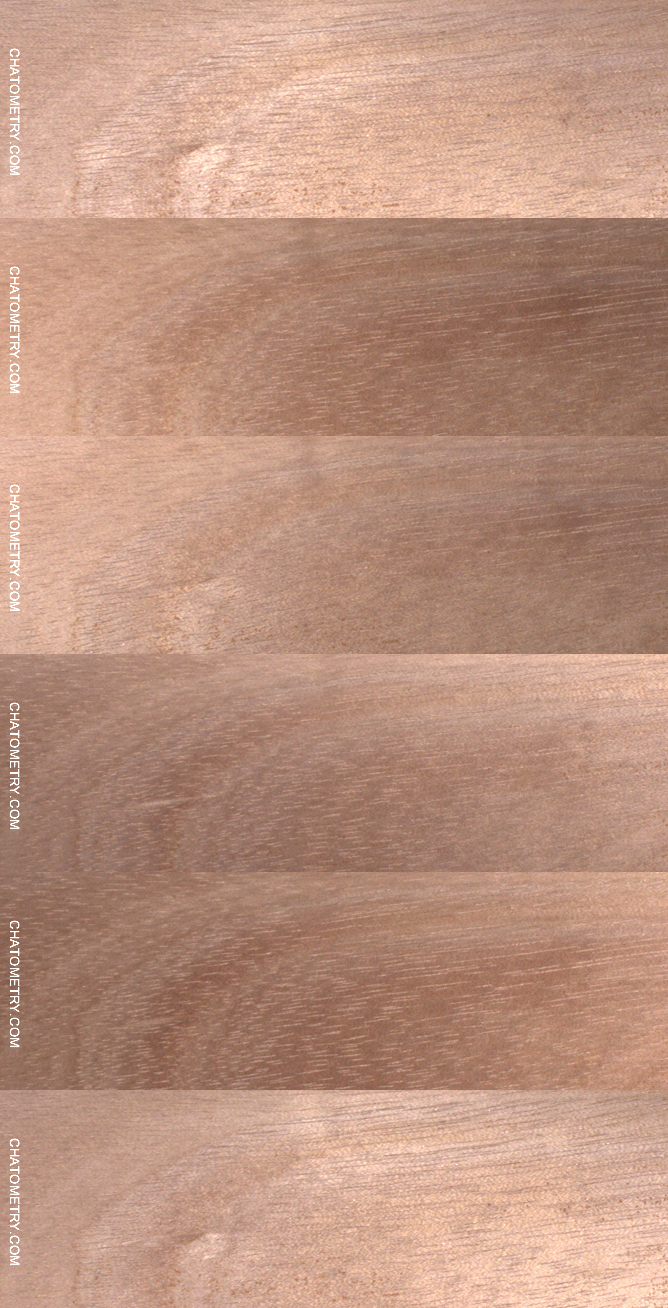
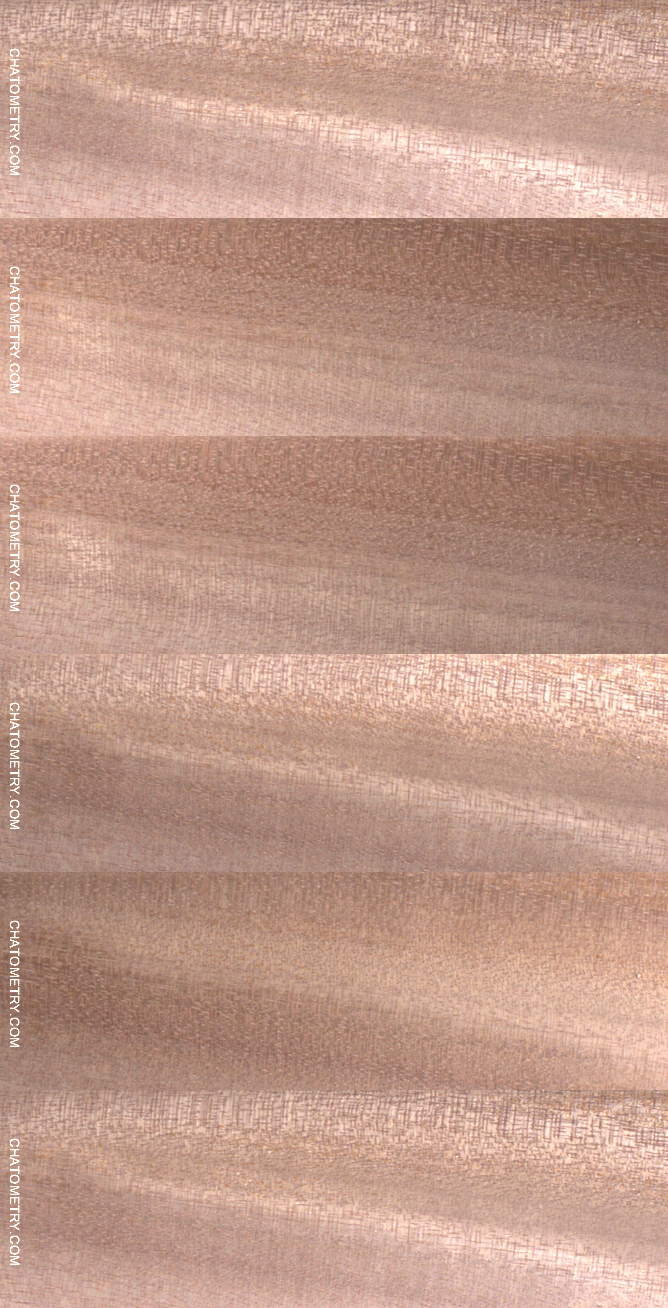
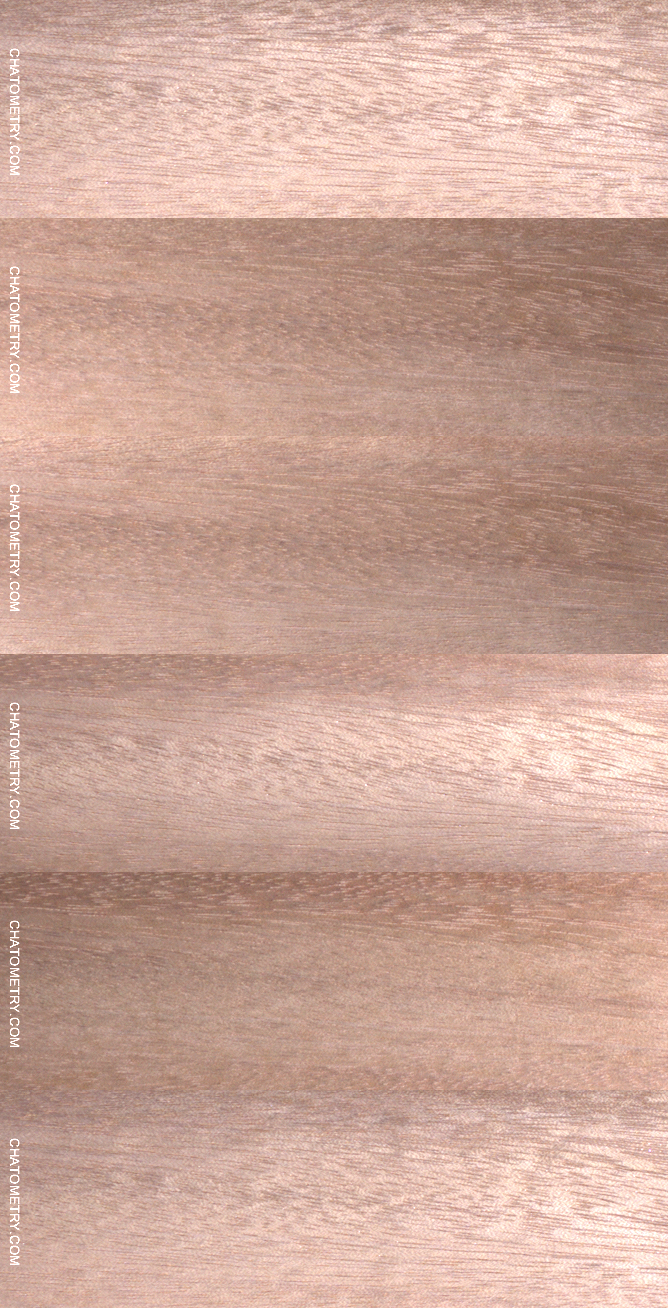
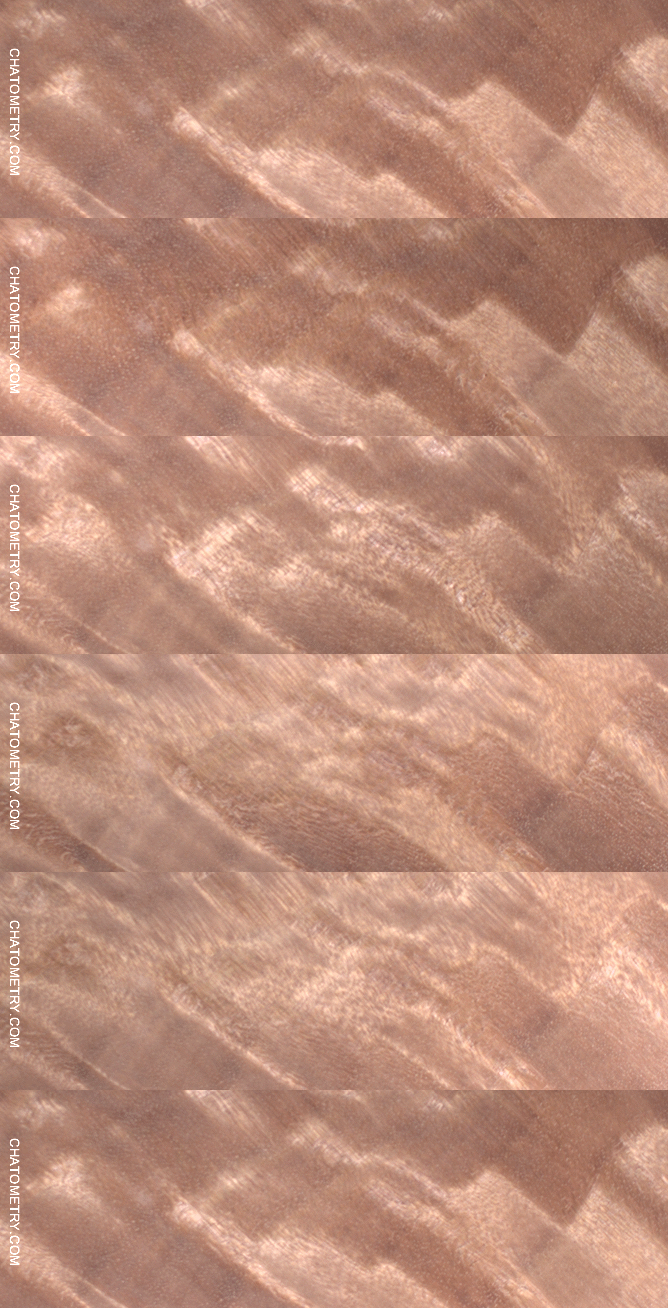
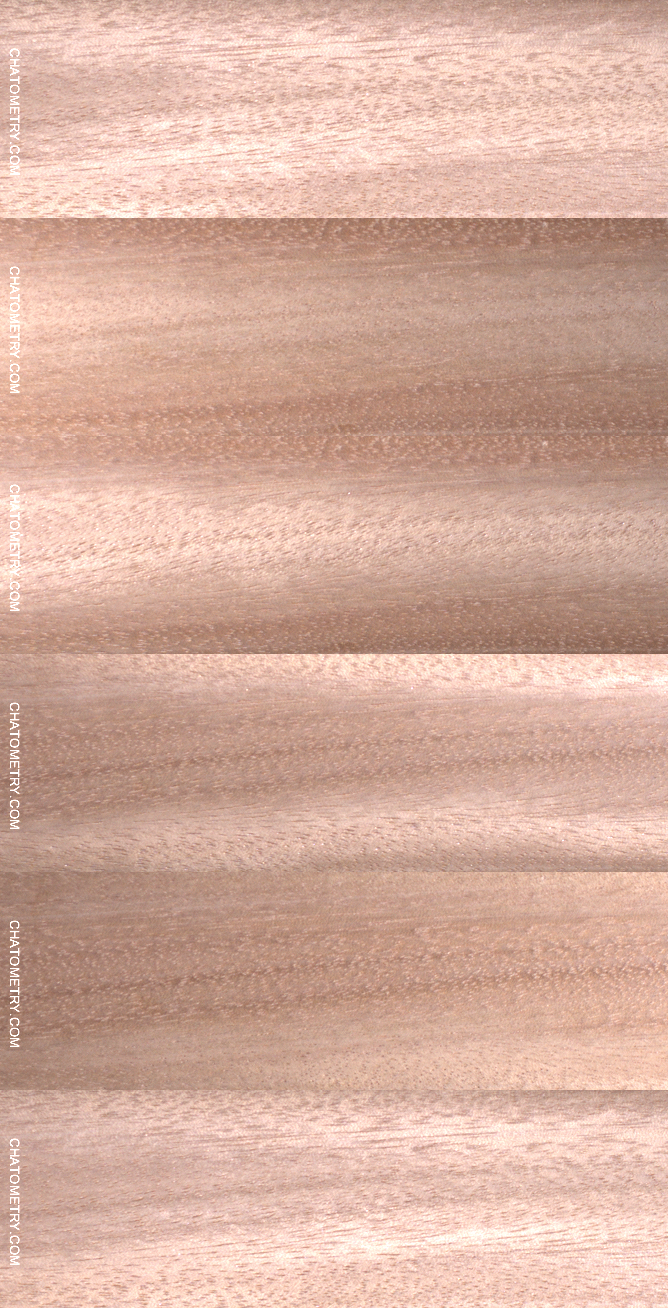
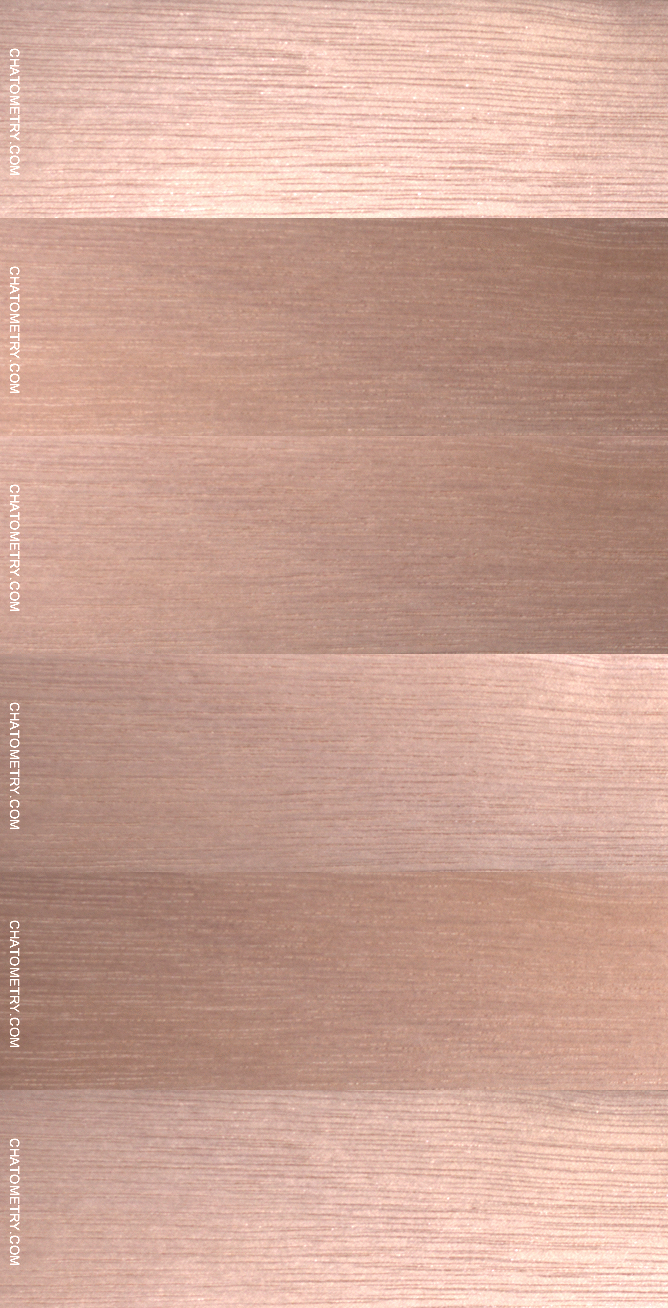
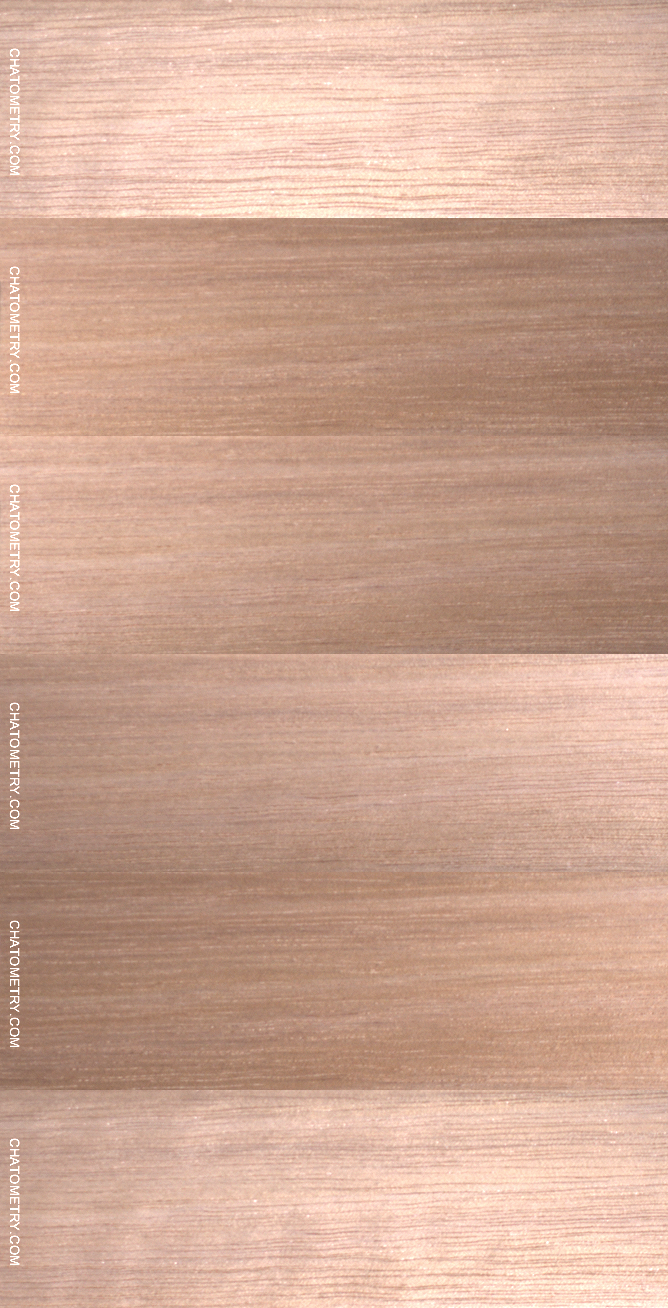
Pictures – each from a different individual tree:
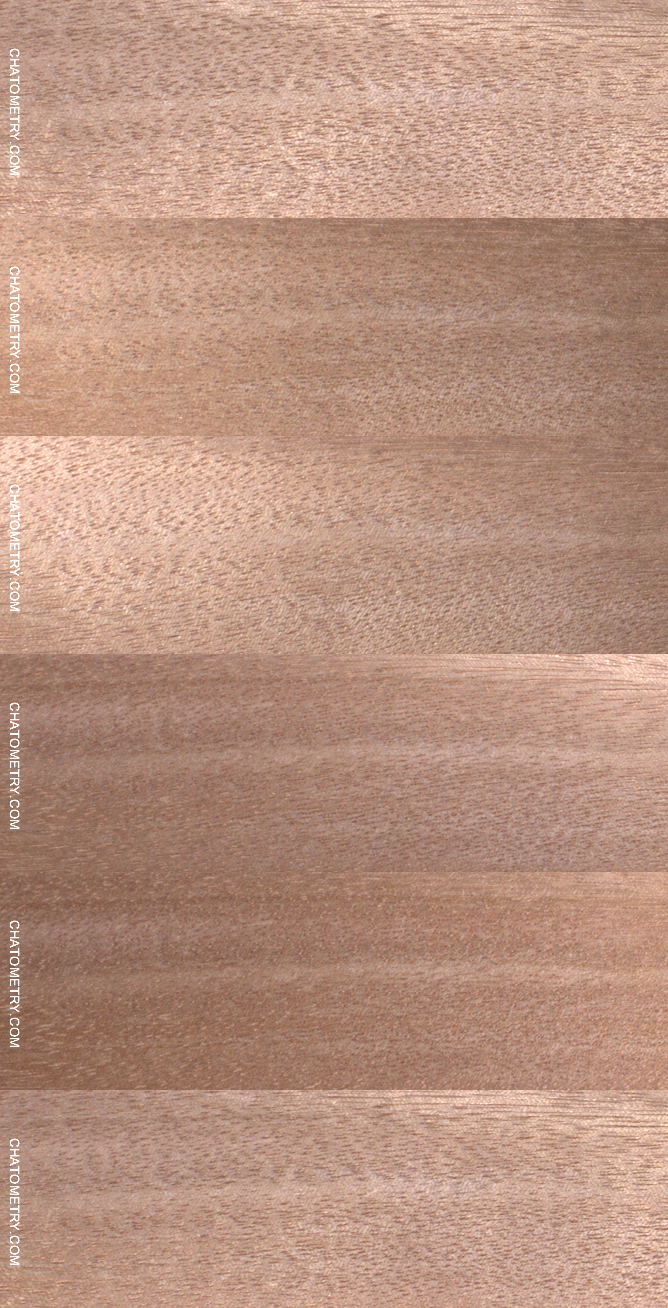
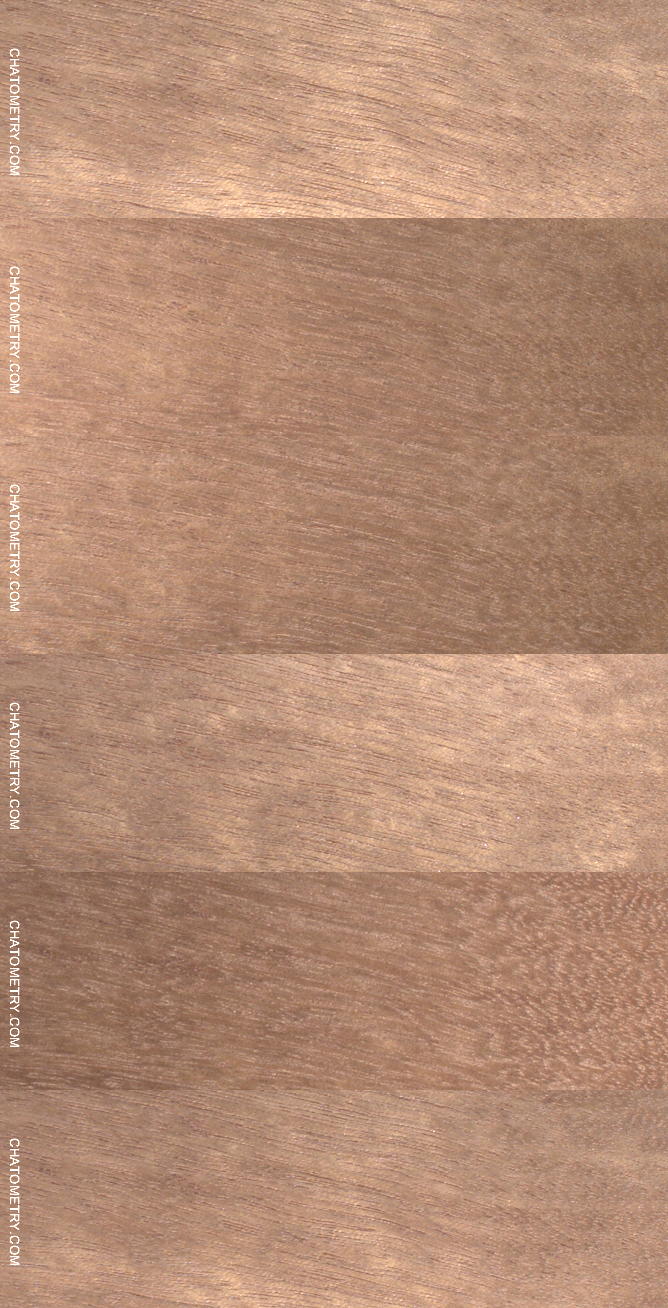
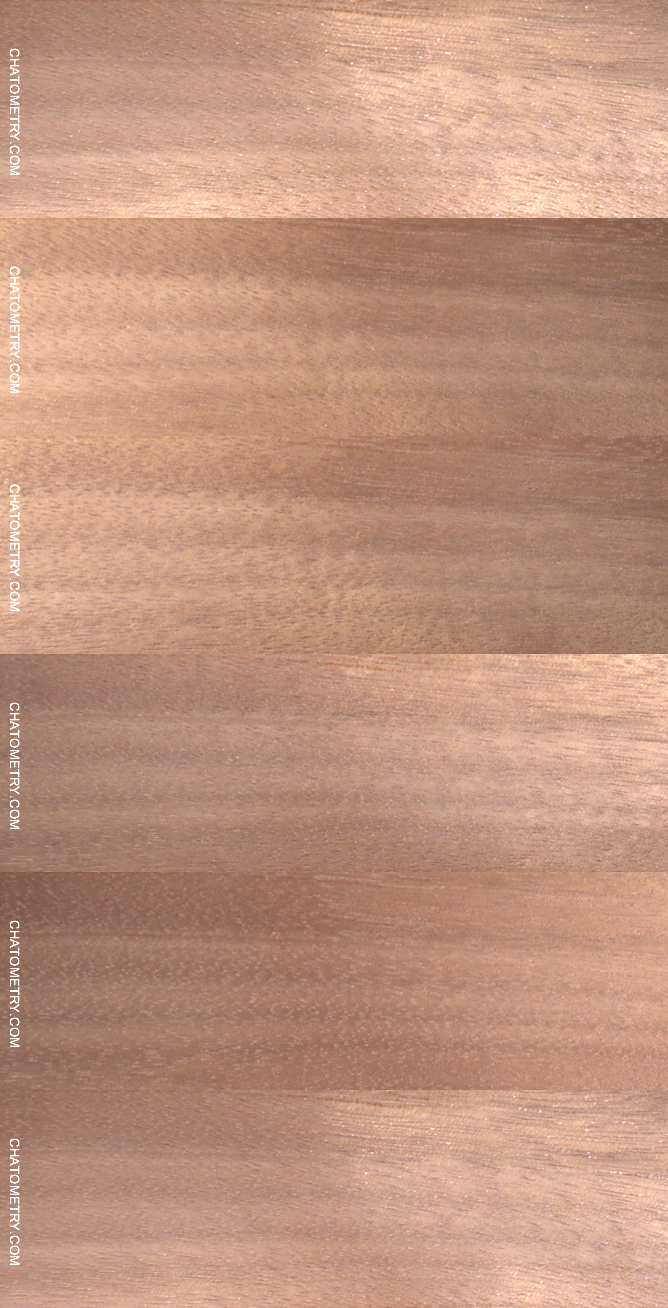
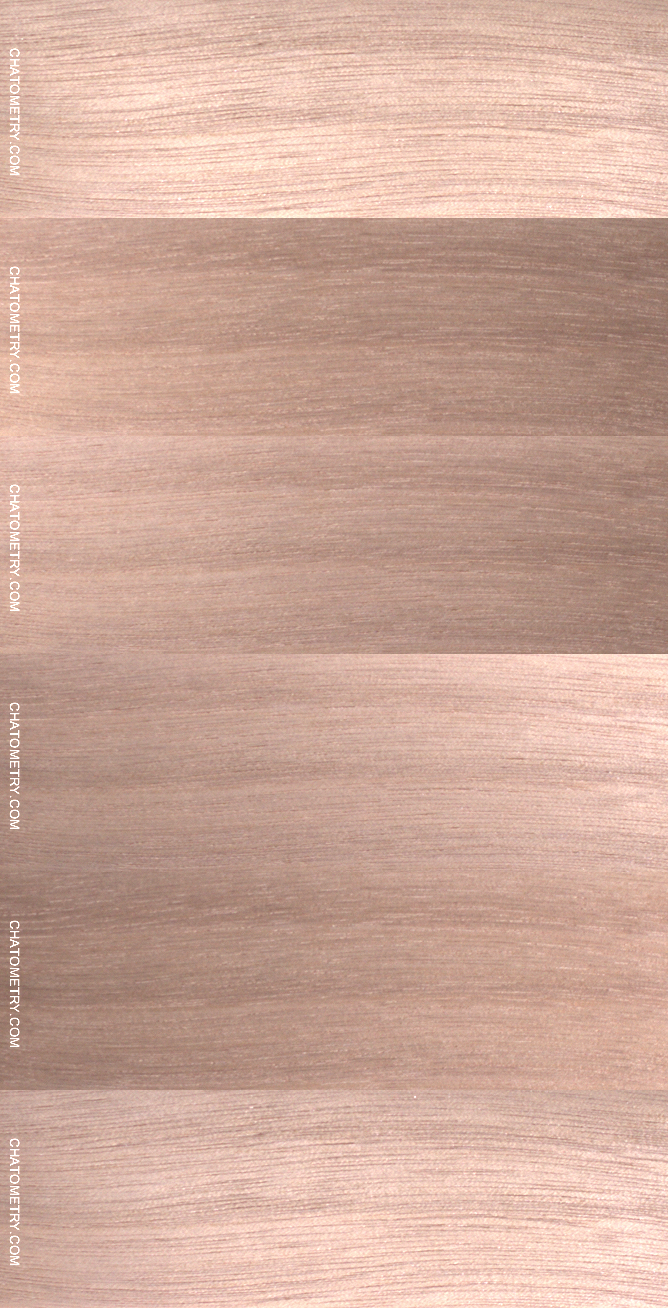
See also
FINISHING OKOUME
RUNOUT ANGLE
EPOXY RESIN
UV LIGHT EXPOSURE
LARGE GIFS 8
[Previous] —————— [Next]
Want to know more? Get Woodworker’s Guide to Chatoyance!


… and enjoy the read!