fraxinus excelsior, Oleaceae, Angiospermae (Hardwood)
Other names: Esche, Fresno, Frêne, Frassino
Chatoyance was measured by the chatometry.com team using the PZC method. The statistics for this specific timber are hereby summarized to provide an evaluation of data robustness:
Number of sources for samples: 8
Number of individual trees analyzed: 8
Number of specimens: 27
Number of measurements: 84
Max PZC read (of all measurements): 21.3
Min PZC read (of all measurements): 9.2
Max PZC average on one log: 18.1
Min PZC average on one log: 12.1
PZC Average of all logs: 15.1
Species: fraxinus excelsior
Family: Oleaceae
Clade: Angiospermae
Description: Fraxinus excelsior, the European Ash, is a large, fast-growing deciduous tree. It features opposite, pinnate leaves with numerous dark green leaflets. Its bark is smooth and grey when young, developing deep fissures with age. Distinctive sooty-black buds appear in winter, followed by small purplish flowers and clusters of winged seeds known as “ash keys.”
Other Local Names: Esche, Fresno, Frêne, Frassino
Reference Colour: Creamy white
Texture: Coarse
Grain: Straight
Interlocked Grain: Absent
Notes: Creamy white wood when fresh, it turns yellow with light. Sometimes wavy grain. Heart of some logs is marked with veins or black areas.
Diameter: 40÷100cm
Density @12% MC: 680kg/m³
Janka Hardness: 1530lbf
Crushing Strength @12%MC: 51MPa
Static Bending Strength @12%MC: 113MPa
Longitudinal Modulus of Elasticity E: 12.9GPa
Volumetric Shrinkage Coefficient: 0.48% per %
Total Tangential Shrinkage TS: 9.6%
Total Radial Shrinkage TS: 5.7%
T/R Anisotropy Ratio: 1.7-
Fibre Saturation Point: 32%
Thermal Conductivity: 0.23W/mk
Lower Heating Value: 17850KJ/Kg
Sapwood Demarcation: Not demarcated
Resistance to Decay: Class 5 – non-durable
Resistance to Dry Wood Borers: Class S – susceptible (risk in all the wood)
Resistance to Termites: Class S – susceptible
Treatability: Class 2 – moderately treatable.
Use Class Covered by Natural Durability: Class 1 – inside (no risk of dampness) Notes. This species is listed in the NF EN 350 standard. ASH
Durability Notes: This species is listed in the NF EN 350 standard. ASH Cross sections of Fraxinus excelsior
Log Buoyancy: Not applicable
Log Conservation: Moderate (treatment recommended)
Drying Rate: Normal to slow
Drying Risk of Distortion: High risk
Drying Risk of Case Hardening: No known specific risk
Drying Risk of Checking: High risk
Blunting Effect: Normal
Sawing Tooth: Stellite-tipped
Machining Tool: Tungsten carbide
Suitability for Peeling: Good
Suitability for Slicing: Good
Sawing Machining Notes: Ash wood has a good aptitude for bending.
Assembly Nailing Screwing: Good but pre-boring necessary
Assembly Notes: Very porous and slightly acidic: to be taken into account when gluing.
Additional Notes: This wood is particularly, renowned for its flexibility, (aptitude for bending) and its, resistance to impacts
End Uses: Arched goods, Turned goods, Coffins, Cabinetry (high-end furniture), Tool handles (resilient woods), Interior joinery, Flooring, Sliced veneer, Seats, Cooperage
Source 1: Tropical Timber Atlas, Editions Quae, e-ISBN 978-2-7592-2770-9
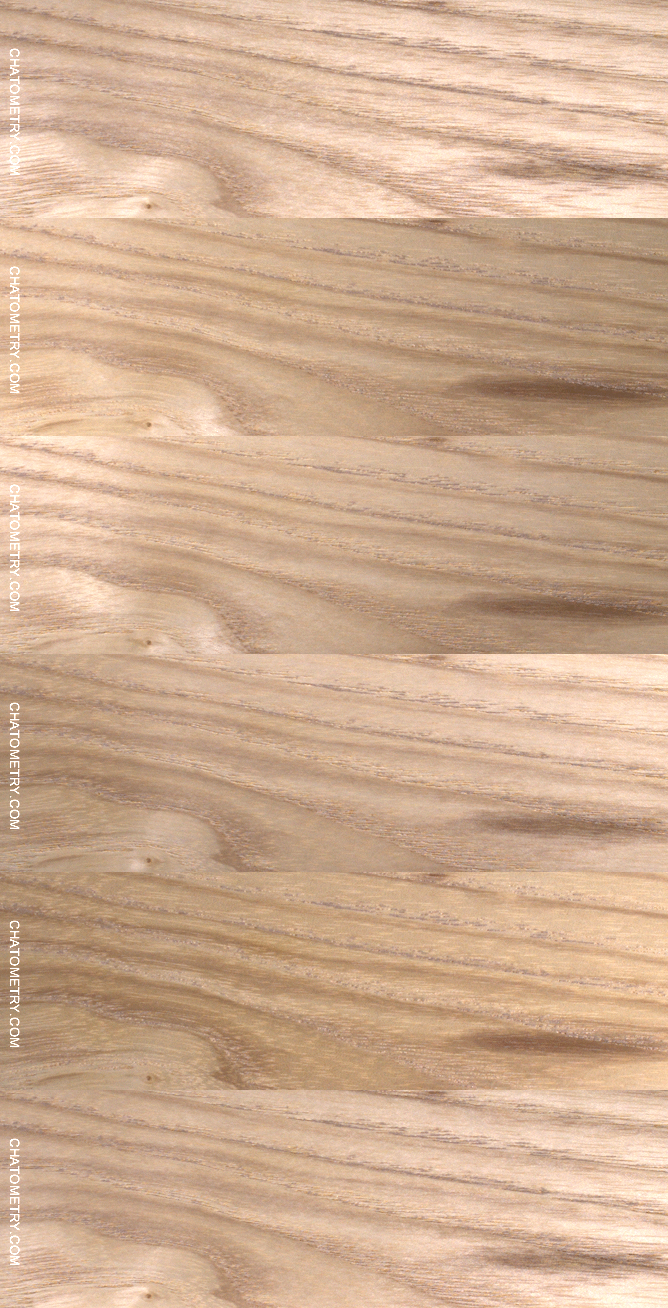
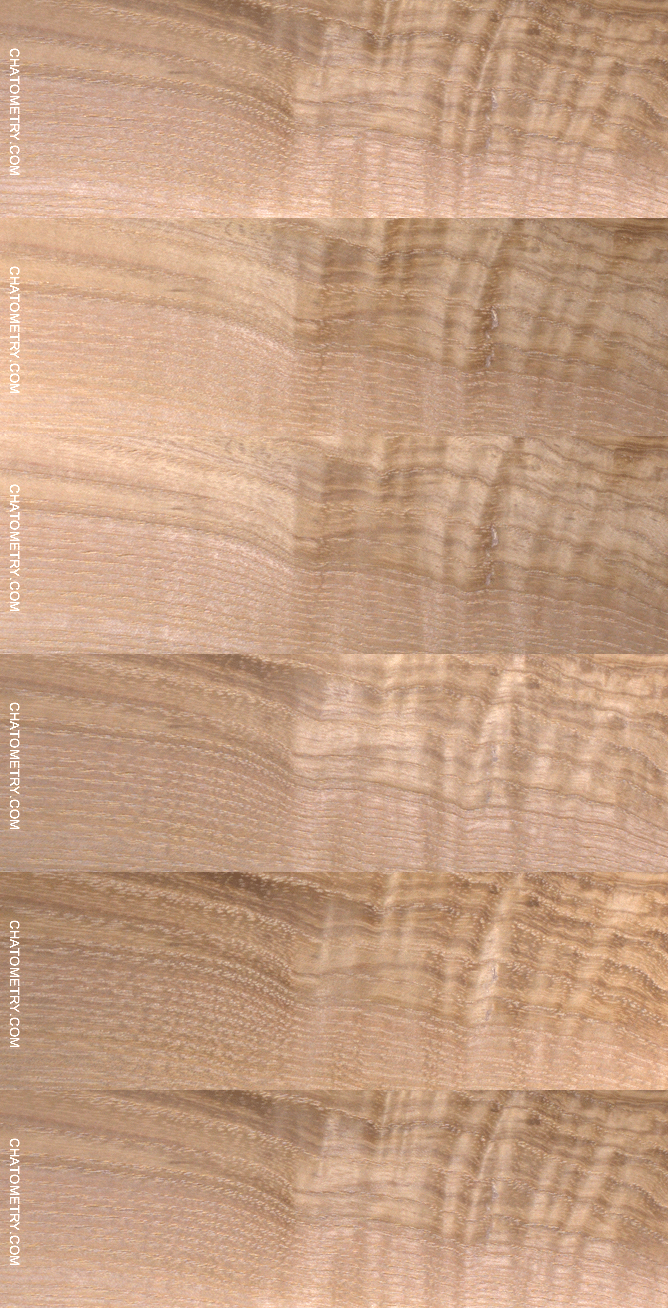
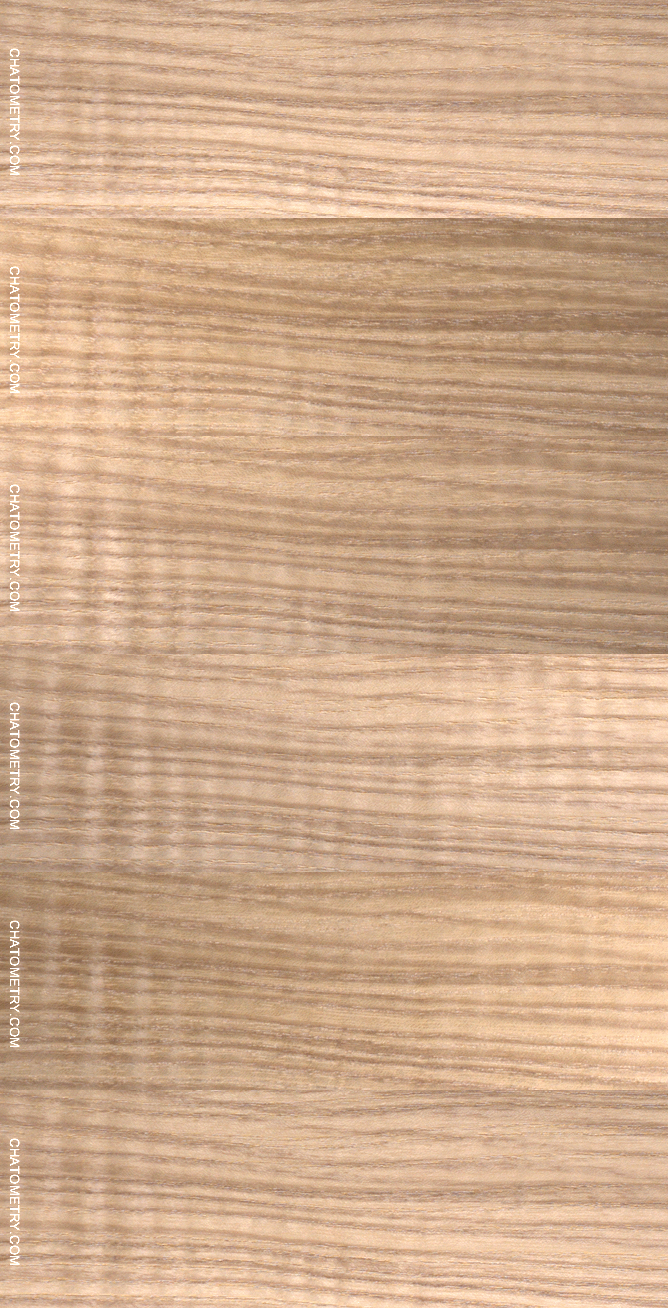
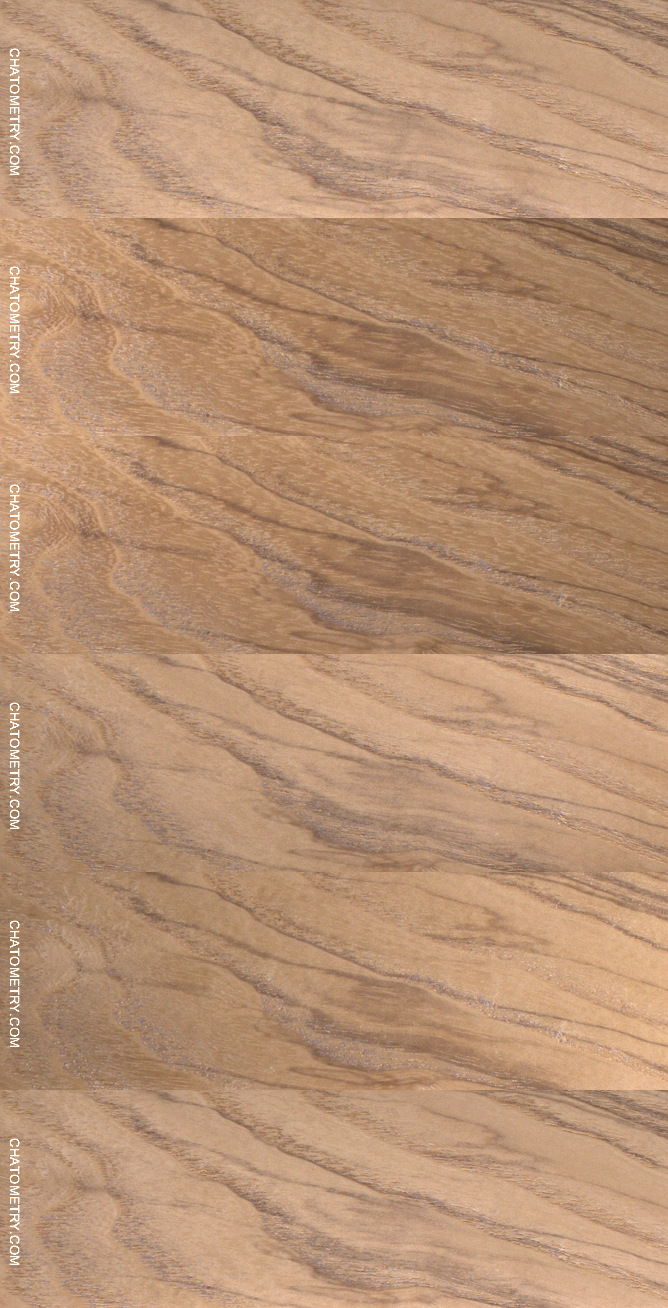
Pictures – each from a different individual tree:
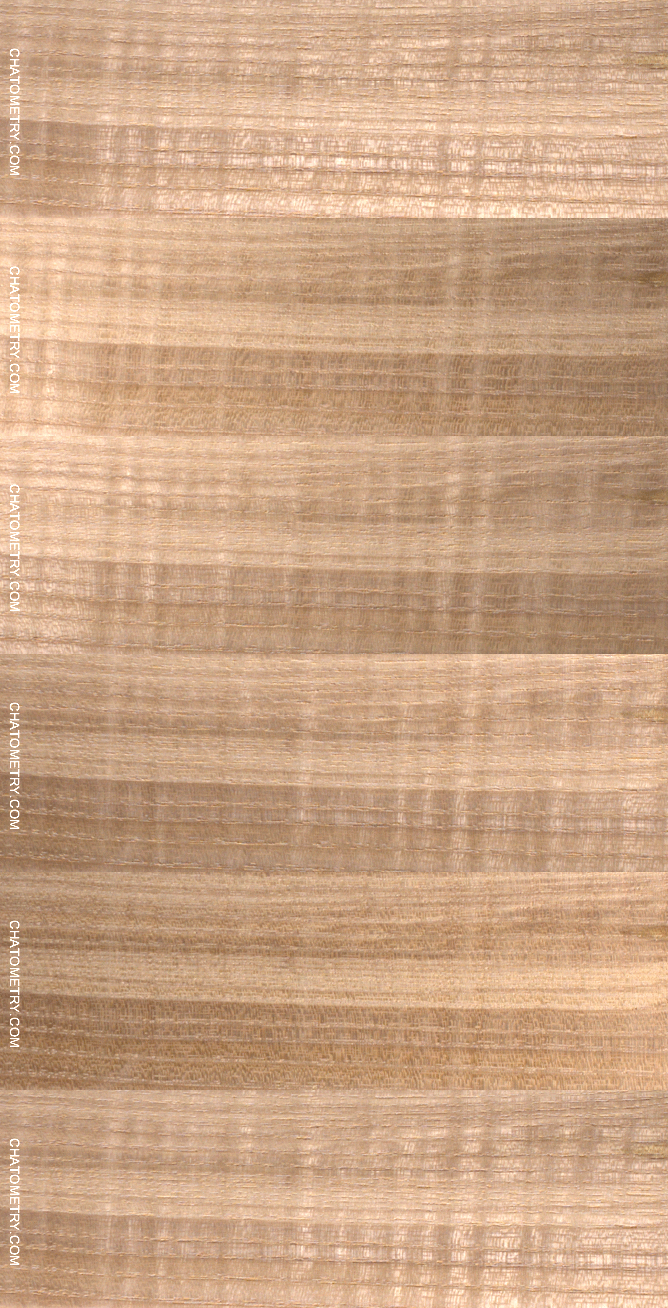
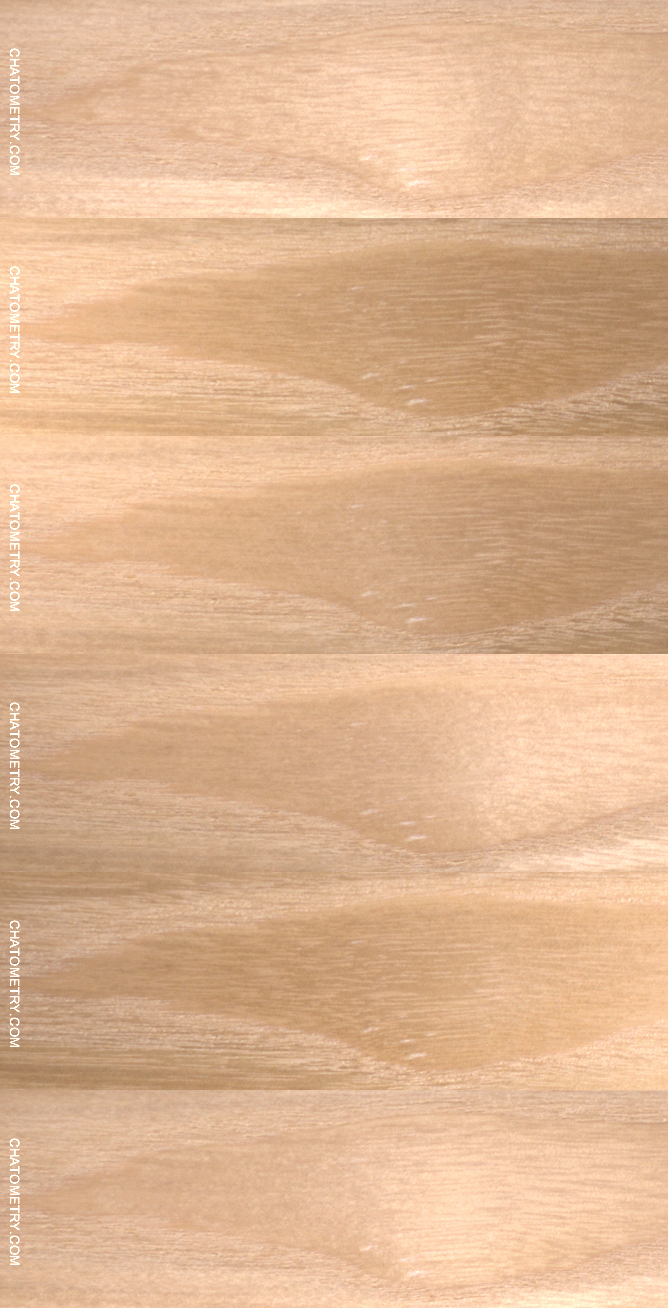
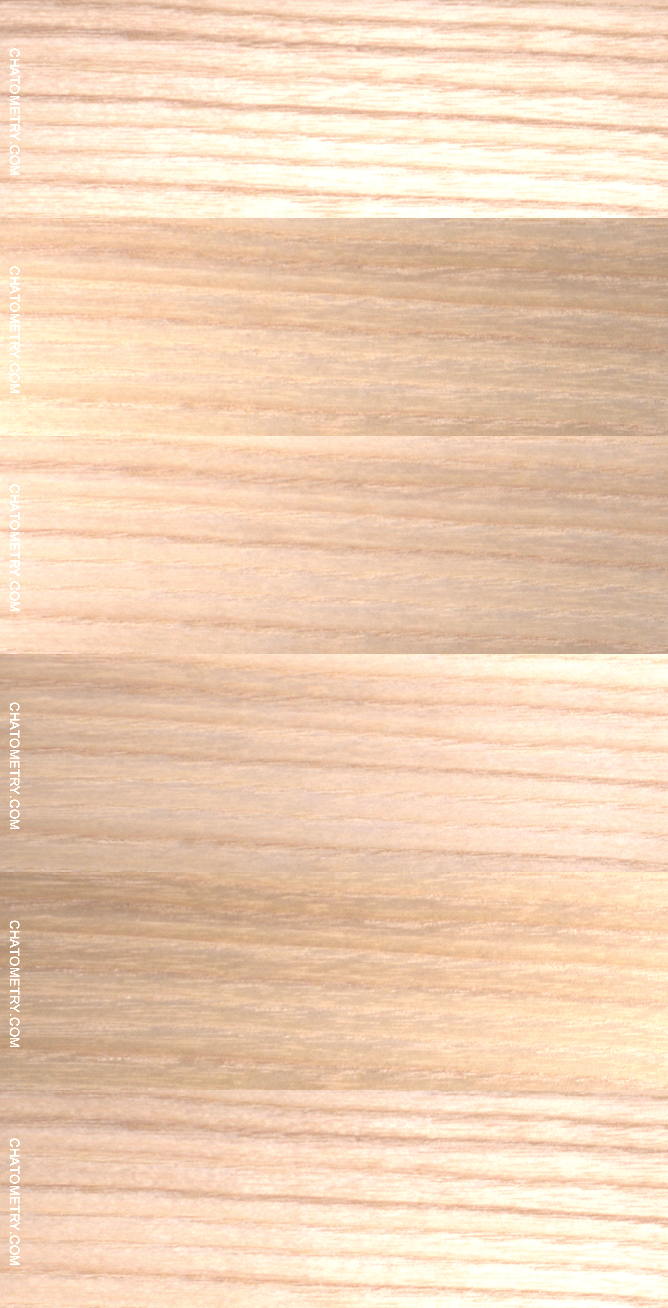
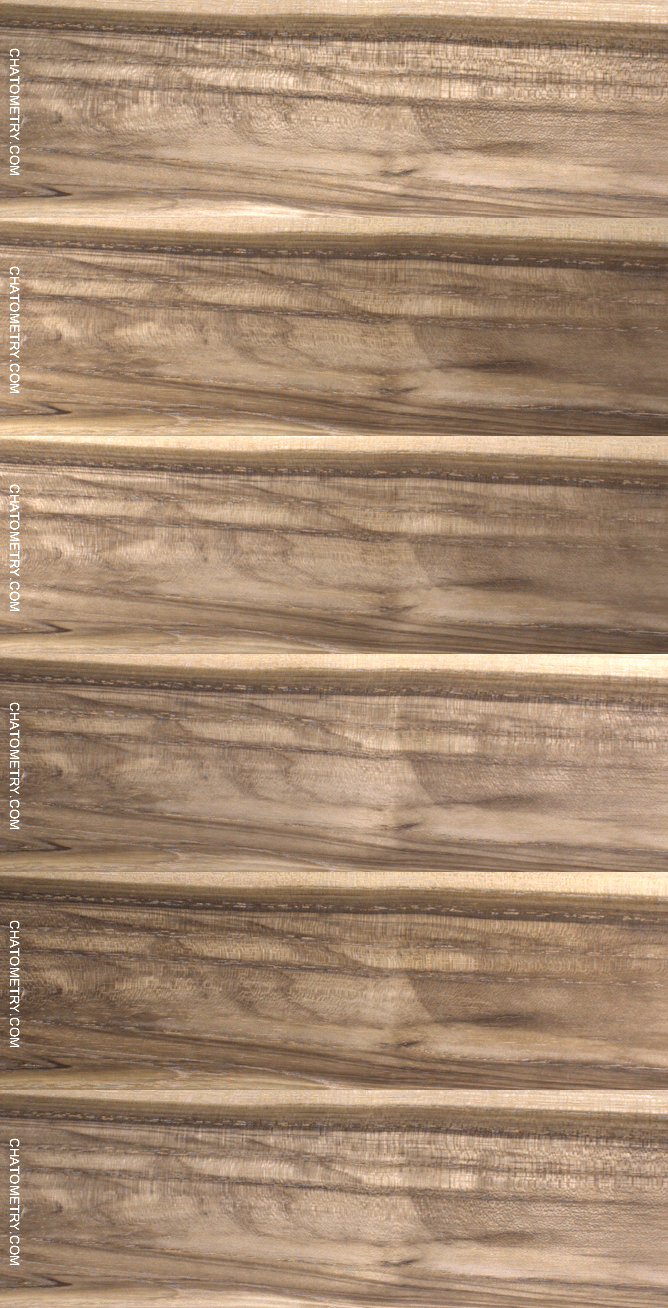
See also
FINISHING EUROPEAN ASH
RAW VENEER VS FINE SANDED
[Previous] —————— [Next]
Want to know more? Get Woodworker’s Guide to Chatoyance!


… and enjoy the read!