Skip to content

PZC Chatometry

A standard system to measure wood chatoyance

Menu
  • Home
  • What is Chatoyance?
    • Curl
    • Ribbon Stripe
    • Other Figures
    • Flecks
    • Growth Rings
    • Knots
  • The PZC method
    • Scale example 1
    • Scale example 2
    • Scale example 3
    • Scale example 4
  • Woods
    • Summary Table
    • Africa
      • Abura
      • Afrormosia
      • Agba
      • Agba
      • Afzelia
      • Aniegre
      • Avodire
      • Azobe
      • Bilinga
      • Bilinga
      • Bomanga
      • Boire
      • Bubinga
      • Cola
      • Ebiara
      • Ebony, Gaboon
      • Etimoe
      • Faro
      • Faro
      • Framire
      • Guarea
      • Iroko
      • Lati
      • Khaya
      • Kosipo
      • Kotibe
      • Kotibe
      • Koto
      • Limba
      • Limba, Black
      • Makore
      • Mansonia
      • Moabi
      • Movingui
      • Niangon
      • Niove
      • Obeche
      • Ocotea
      • Ocotea
      • Ovangkol
      • Okoume
      • Padouk
      • Purpleheart
      • Ramin
      • Rosewood, African Blackwood
      • Rosewood, African Blackwood
      • Rosewood, Madagascar
      • Sapele
      • Sipo
      • Tali
      • Tiama
      • Wenge
      • Walnut, African
      • Zebrawood
    • Asia
      • Acacia, unspecified
      • Ailanthus
      • Albizia, unspecified
      • Alstonia
      • Artocarpus
      • Ash, Tamo
      • Bintangor
      • Bamboo
      • Camphor
      • Coconut
      • Ebony, Black and White
      • Ebony, Macassar
      • Fig, misc.
      • Kapur
      • Keruing
      • Mango
      • Meranti
      • Merbau
      • Mersawa
      • Narra
      • Paulownia
      • Rosewood, Indian
      • Satinwood
      • Sen
      • Sucupira
      • Teak
    • Europe
      • Alder
      • Apple
      • Ash, European
      • Ash, Olive
      • Beech, European
      • Birch
      • Birch, Karelian Burl
      • Black Locust
      • Bog Oak
      • Cedar, European
      • Cherry, Sweet
      • Chestnut, Horse
      • Chestnut, Sweet
      • Cypress, Mediterranean
      • Elm
      • Fir, European Silver
      • Hawthorn
      • Hazelnut
      • Hornbeam
      • Laburnum
      • Lagerstroemia
      • Larch, European
      • London Plane
      • Lime, European
      • Madrone
      • Maple, European
      • Mulberry
      • Oak, Sessile
      • Olive
      • Olive, Russian
      • Poplar, Yellow
      • Pine, Maritime
      • Pine, Swiss Stone
      • Pine, unspecified
      • Pear
      • Poplar
      • Spruce, Fiemme (Ciresa tonewood)
      • Sumac
      • Walnut, European
      • Yew
    • North America
      • Ash, American White
      • Alder, Red
      • Beech, North American
      • Beech, North American
      • Boxelder
      • Butternut
      • Catalpa
      • Cedar, Eastern Red
      • Cedar, Western Red
      • Cherry, Black
      • Cypress, Bald
      • Cypress, Lawson
      • Desert Ironwood
      • Desert Ironwood
      • Dogwood
      • Fir, Douglas
      • Giant Sequoia
      • Hackberry
      • Hemlock
      • Hickory
      • Holly
      • Honey Locust
      • Juniperus misc.
      • Koa
      • Magnolia
      • Maple, Bigleaf
      • Maple, Bigleaf
      • Maple, Hard
      • Mesquite
      • Mesquite
      • Oak, Red
      • Oak, White
      • Osage Orange
      • Osage Orange, Green
      • Red Gum
      • Pecan
      • Pecan
      • Redwood
      • Sassafras
      • Service Tree
      • Sycamore, American
      • Sycamore, American
      • Walnut, Black
      • Walnut, Claro
      • Walnut, Claro
      • Willow
    • Oceania
      • Agathis
      • Ash, Crow’s
      • Australian Blackwood
      • Black Bean
      • Cedar, Australian Red
      • Eucalyptus, unspecified
      • Ash, Mountain
      • Gum, River Red
      • Oak, Tasmanian
      • Jarrah
      • Maple, Queensland
      • Oak, Northern Silky
      • Oak, Southern Silky
      • Pine, Huon
      • She-Oak, River
      • Spotted Gum
      • Tasmanian Myrtle
      • Walnut, Queensland
    • South and Central America
      • Angelim
      • Araucaria
      • Aspidosperma
      • Bloodwood
      • Bocote
      • Canarywood
      • Carapa
      • Cedar, Spanish
      • Cerejeira
      • Chechen
      • Cumaru
      • Curupixa
      • Freijo
      • Garapa
      • Goncalo Alves
      • Goupie
      • Granadillo
      • Guanacaste
      • Guatambu
      • Imbuia
      • Ipe
      • Jacareuba
      • Jatoba
      • Jequitiba
      • Katalox
      • Leopardwood
      • Lignum Vitae
      • Louro Faia
      • Louro Preto
      • Mahogany, Cuban
      • Mahogany, Honduras
      • Massaranduba
      • Nothofagus
      • Osage Orange, Argentine
      • Pao Rosa
      • Peroba Rosa
      • Piquiarana
      • Podocarpus
      • Primavera
      • Rosewood, Brazilian
      • Rosewood, Cocobolo
      • Rosewood, Honduras
      • Rosewood, Kingwood
      • Rosewood, Santos
      • Tatajuba
      • Timbauba
      • Tineo
      • Tulipwood (Brazilian)
      • Ziricote
  • Case studies
  • Credits
  • Contacts
  • Services
  • Shop
    • Woodworker’s Guide to Chatoyance
    • Woodworker’s Guide to Chatoyance – Compact Edition

Movingui

distemonanthus benthamianus, Fabaceae, Angiospermae (Hardwood)
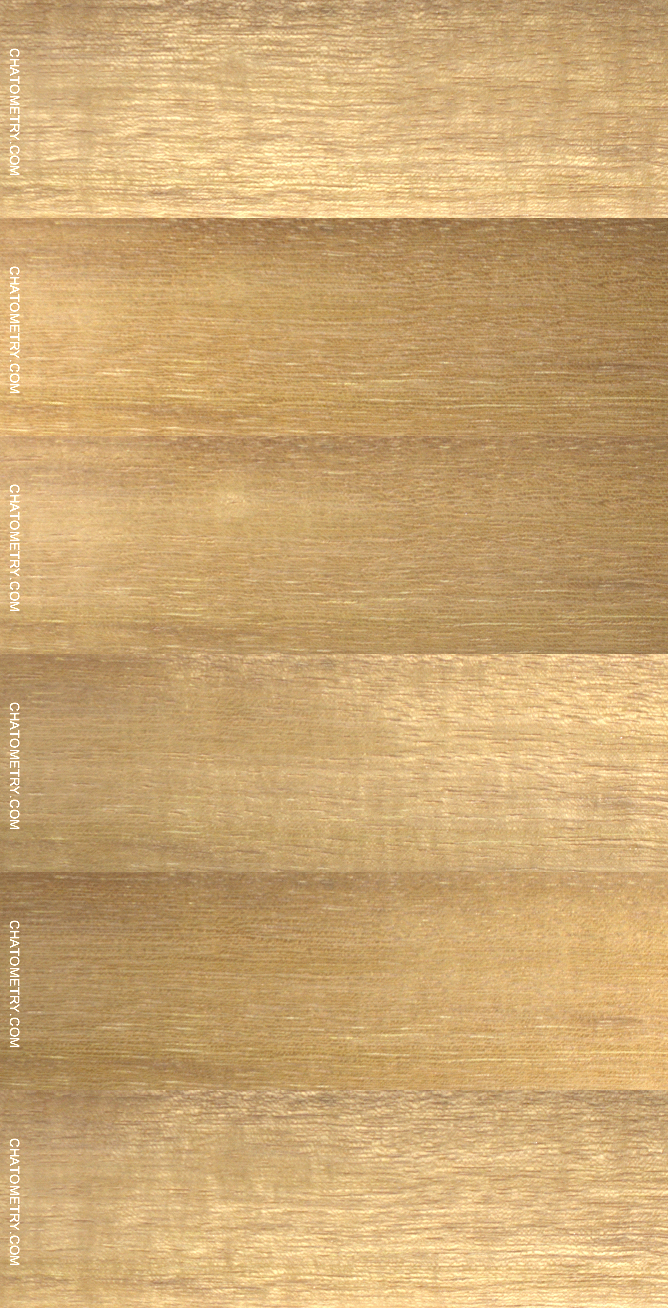
reference picture – see below for more pictures

Other names: Ayan, Éyen, Barré, Bonsamdua, Eyen, Ayanran, Distemonanthus

Chatoyance was measured by the chatometry.com team using the PZC method. The statistics for this specific timber are hereby summarized to provide an evaluation of data robustness:
Number of sources for samples: 7
Number of individual trees analyzed: 7
Number of specimens: 33
Number of measurements: 99
Max PZC read (of all measurements): 20.7
Min PZC read (of all measurements): 11.6
Max PZC average on one log: 18.1
Min PZC average on one log: 13.8
PZC Average of all logs: 16.0

Species: distemonanthus benthamianus
Family: Fabaceae
Clade: Angiospermae
Description: A tropical African tree known for its striking clusters of large, bright yellow, trumpet-shaped flowers.
Other Local Names: Ayan, Éyen, Barré, Éyen, Bonsamdua, Ayan, Eyen, Ayan, Ayanran, Ayan, Distemonanthus

Reference Colour: Yellow
Texture: Medium
Grain: Interlocked grain
Interlocked Grain: Slight
Notes: Lemon-yellow to yellow brown. Some logs present a highly figured wood. Possible presence of internal stresses and wind shakes.

Diameter: 60÷90cm
Density @12% MC: 730kg/m³
Janka Hardness: 1680lbf
Crushing Strength @12%MC: 64MPa
Static Bending Strength @12%MC: 116MPa
Longitudinal Modulus of Elasticity E: 14.74GPa
Volumetric Shrinkage Coefficient: 0.54% per %
Total Tangential Shrinkage TS: 5.8%
Total Radial Shrinkage TS: 3.6%
T/R Anisotropy Ratio: 1.6-
Fibre Saturation Point: 23%
Thermal Conductivity: 0.24W/mk
Lower Heating Value: 19940KJ/Kg
Sapwood Thickness: 2÷4cm
Sapwood Demarcation: Clearly demarcated

Resistance to Decay: Class 3 – moderately durable
Resistance to Dry Wood Borers: Class D – durable (sapwood demarcated, risk limited to sapwood)
Resistance to Termites: Class M – moderately durable
Treatability: Class 4 – non-treatable
Use Class Covered by Natural Durability: Class 2 – inside or under cover (dampness possible) MOVINGUI / AYAN*
Durability Notes: This species is listed in the NF EN 350 standard. Movingui cannot be used without appropriate preservation treatment for end uses under use class 3, except for some parts of a work such as windows, which are less exposed than others (entrance doors, shutters, etc.) This wood is used for exterior joinery in tropical regions. In temperate regions, its use is limted by its vulnerability to Coriolus versicolor rot.

Log Buoyancy: Does not float
Log Conservation: Moderate (treatment recommended)
Drying Rate: Normal
Drying Risk of Distortion: Slight risk
Drying Risk of Case Hardening: No known specific risk
Drying Risk of Checking: Slight risk

Blunting Effect: High
Machining Tool: Tungsten carbide
Suitability for Peeling: Good
Suitability for Slicing: Good
Sawing Machining Notes: Some difficulties due to irregular grain. Filling is recommended to obtain a better finish.
Assembly Nailing Screwing: Good but pre-boring necessary
Assembly Notes: Pre-boring recommended for large diameter nails due to risk of splitting.
Additional Notes: Movingui contains water, soluble yellow extracts that can stain the elements in, contact with wood in moist conditions. Resistant to one or several acids
End Uses: Arched goods, Glued Laminated, Turned goods, Exterior joinery, Shingles, Interior joinery, Framing, Built-in furniture or mobile item, Cabinetry (high-end furniture), House framing, Stairs (inside), Flooring, Veneer for back or face of plywood, Sliced veneer, Vehicle or container flooring, Exterior panelling, Panelling, Cooperage

Source 1: Tropical Timber Atlas, Editions Quae, e-ISBN 978-2-7592-2770-9

Pictures – each from a different individual tree:
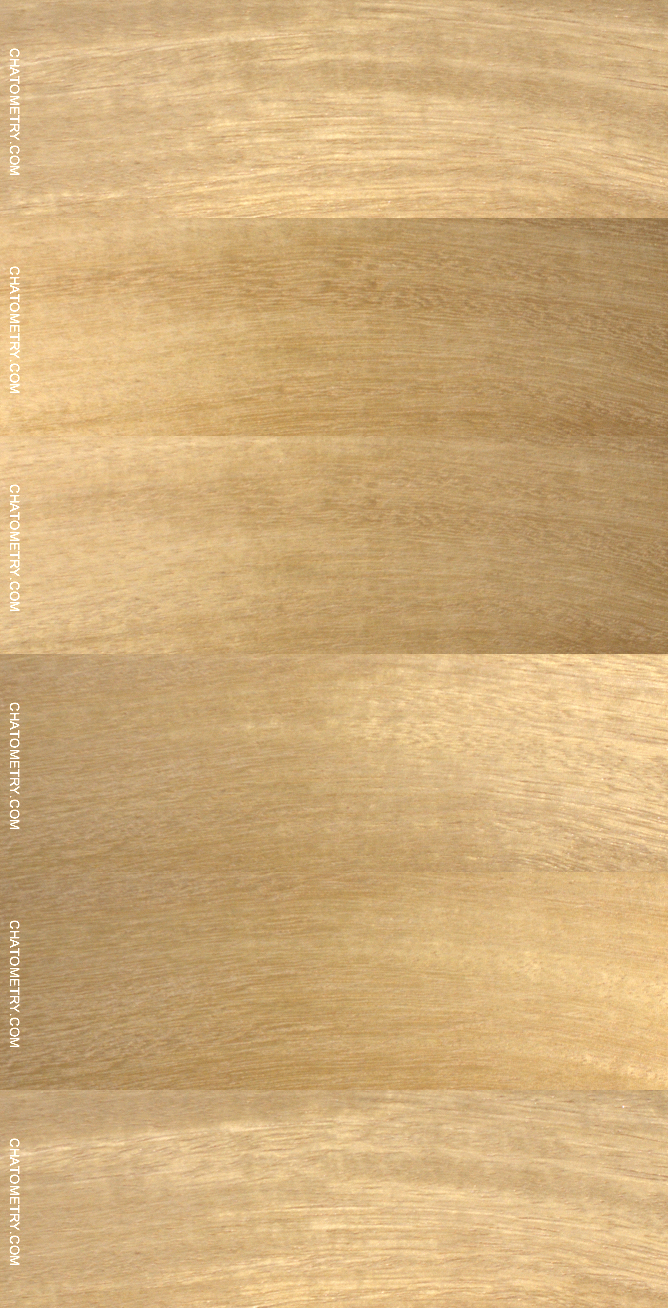
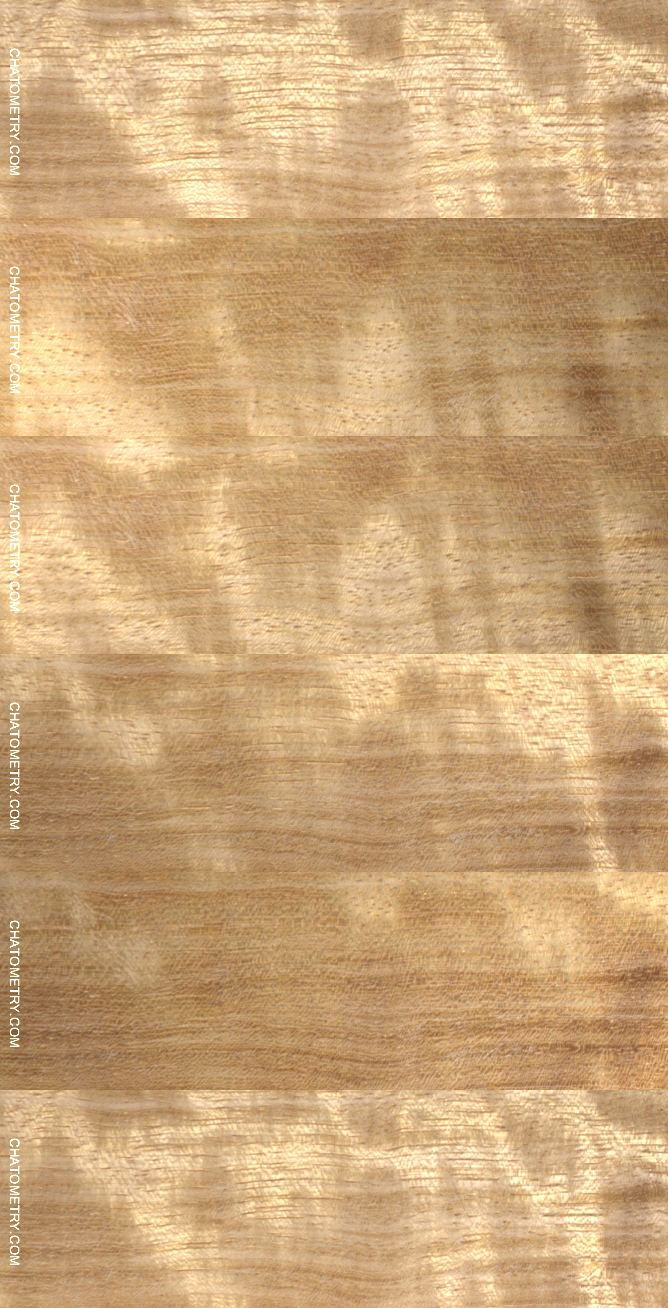
Log 1 (from Seralvo) – PZC = 12.4
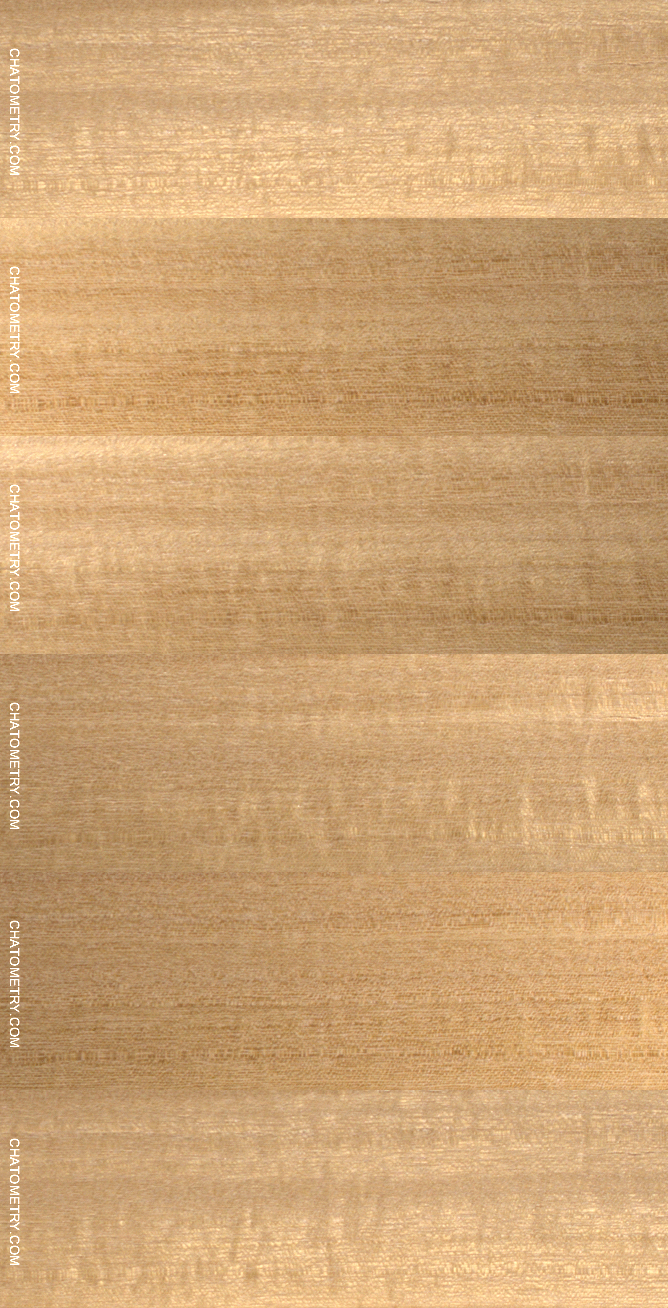
Log 2 (from [Source 27]) – PZC = 20.0
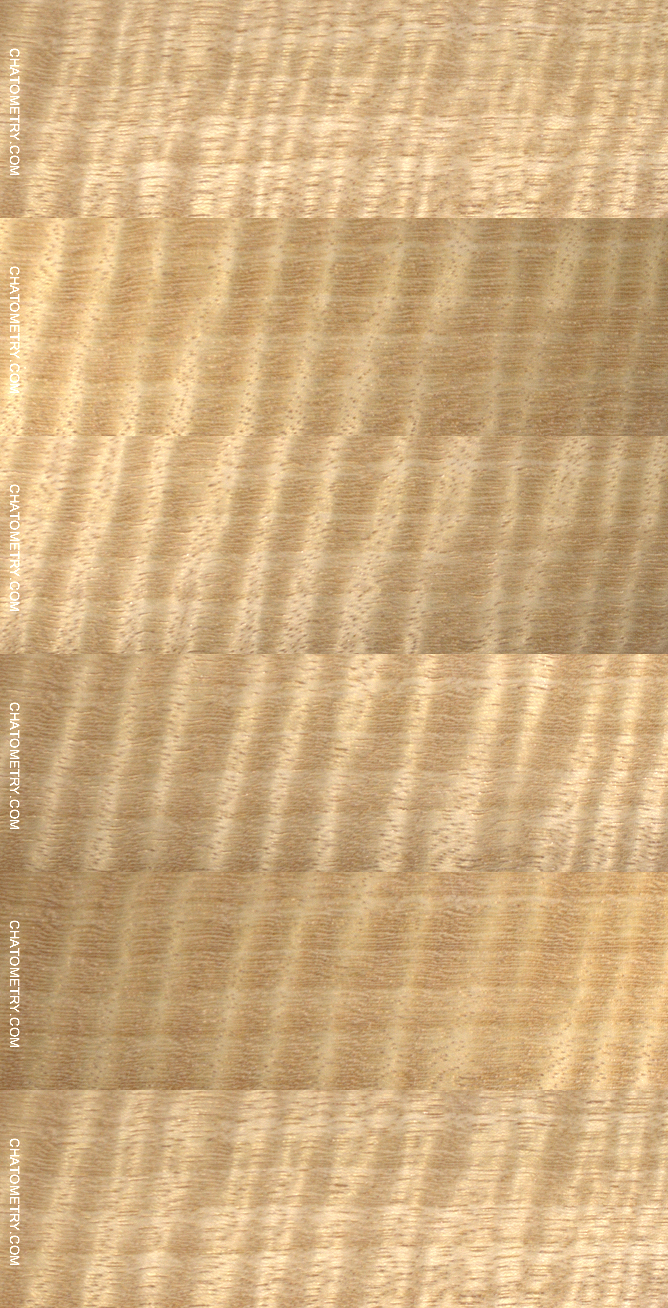
Log 3 (from Evolution Panels and Doors) – PZC = 14.3
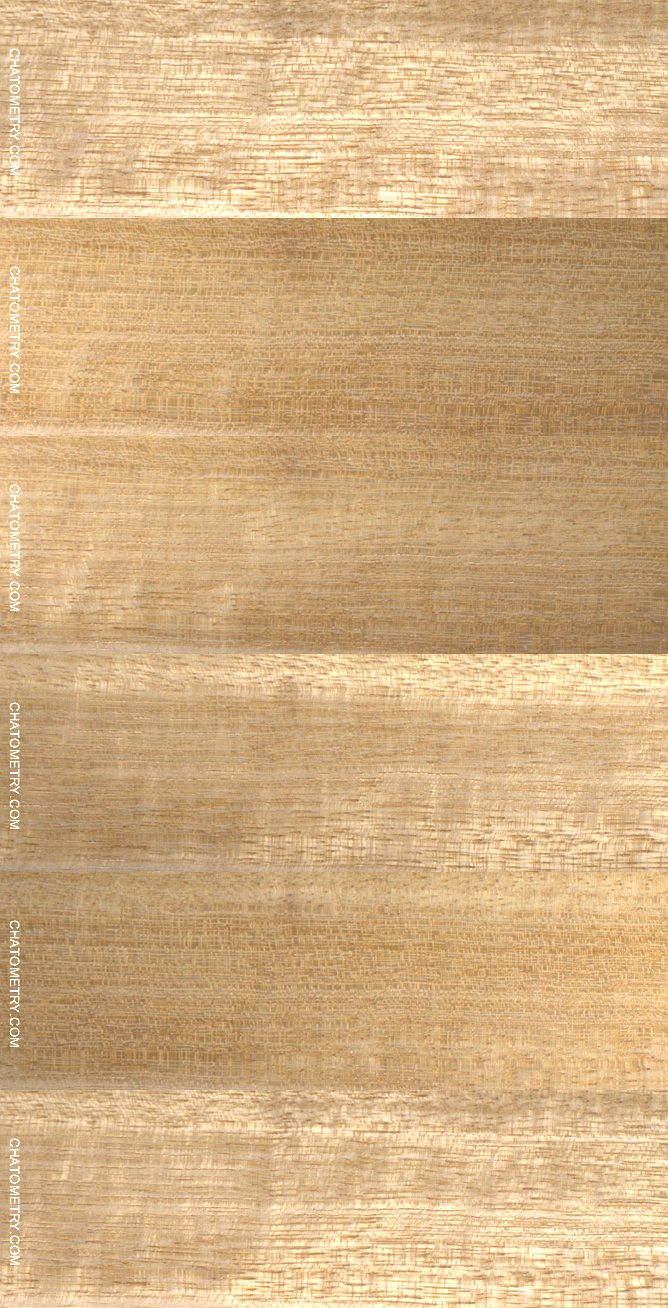
Log 4 (from [Source 28]) – PZC = 15.9
Log 5 (from [Source 9]) – PZC = 15.5
Log 6 (from [Source 35]) – PZC = 17.6
Log 7 (from [Source 58]) – PZC = 18.6

See also
PROGRESSIVE GRIT SANDING
SUPERSURFACING
EPOXY RESIN
SCRAPING
PROGRESSIVE GRIT SANDING PART 2
FINISHING MOVINGUI

[Previous] —————— [Next]

Want to know more? Get Woodworker’s Guide to Chatoyance!

… and enjoy the read!

Lascia un commento Annulla risposta

Il tuo indirizzo email non sarà pubblicato. I campi obbligatori sono contrassegnati *

PZC Chatometry 2026 . Powered by WordPress