triplochiton scleroxylon, Malvaceae, Angiospermae (Hardwood)
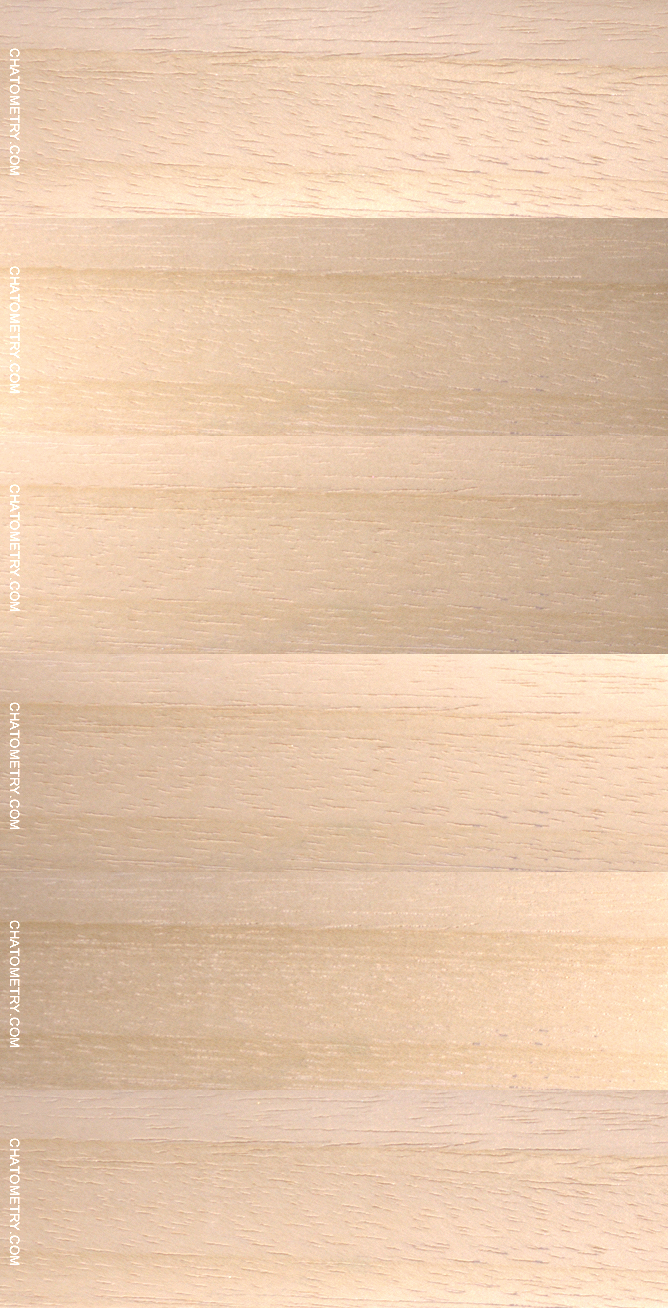
Other names: Abachi, Xwetin, Ayus, Éguess, Samba, Wawa, Arere, Bado, M’bado
Chatoyance was measured by the chatometry.com team using the PZC method. The statistics for this specific timber are hereby summarized to provide an evaluation of data robustness:
Number of sources for samples: 8
Number of individual trees analyzed: 8
Number of specimens: 24
Number of measurements: 72
Max PZC read (of all measurements): 12.2
Min PZC read (of all measurements): 9.0
Max PZC average on one log: 11.9
Min PZC average on one log: 10.4
PZC Average of all logs: 11.1
Species: triplochiton scleroxylon
Family: Malvaceae
Clade: Angiospermae
Description: Triplochiton scleroxylon is a large, fast-growing deciduous tree native to West Africa, characterized by its straight, often buttressed trunk, large palmately lobed leaves, and light, pale, soft wood.
Other Local Names: Abachi, Xwetin, Ayus, Éguess, Samba, Samba, Obeche, Wawa, Ayus, Arere, Obeche, Bado, M’bado, Obeche, Wawa
Reference Colour: Light yellow
Texture: Medium
Grain: Straight or interlocked
Interlocked Grain: Slight
Notes: Black holes, brittleheart, ring shakes and grub holes in some logs. Yellowish white to light yellow, heartwood sometimes darker. Ribbon-like aspect on quartersawn. Grain sometimes irregular.
Diameter: 60÷140cm
Density @12% MC: 380kg/m³
Janka Hardness: 330lbf
Crushing Strength @12%MC: 30MPa
Static Bending Strength @12%MC: 52MPa
Longitudinal Modulus of Elasticity E: 7.26GPa
Volumetric Shrinkage Coefficient: 0.36% per %
Total Tangential Shrinkage TS: 5%
Total Radial Shrinkage TS: 2.9%
T/R Anisotropy Ratio: 1.7-
Fibre Saturation Point: 29%
Thermal Conductivity: 0.14W/mk
Lower Heating Value: 18990KJ/Kg
Sapwood Demarcation: Not demarcated
Resistance to Decay: Class 5 – non-durable
Resistance to Dry Wood Borers: Class S – susceptible (risk in all the wood)
Resistance to Termites: Class S – susceptible
Treatability: Class 3 – poorly treatable
Use Class Covered by Natural Durability: Class 1 – inside (no risk of dampness) Atlas of Tropical Timber Species AYOUS / OBECHE*
Durability Notes: This species is listed in the NF EN 350 standard. Poorly to moderately permeable to
Log Buoyancy: Floats
Log Conservation: Low (treatment necessary)
Drying Rate: Rapid
Drying Risk of Distortion: No risk or very slight risk
Drying Risk of Case Hardening: No known specific risk
Drying Risk of Checking: No risk or very slight risk
Blunting Effect: Normal
Sawing Tooth: Ordinary or alloy steel
Machining Tool: Ordinary
Suitability for Peeling: Good
Suitability for Slicing: Good
Sawing Machining Notes: Tends to crumble when machining end grain and tends to tear in mortising (it is recommended to keep sharp edges and to reduce the cutting angle). Filling recommended.
Assembly Nailing Screwing: Poor
Assembly Notes: Very porous and absorbent: to be taken into account when gluing.
Additional Notes: Ayous is a subtitute for Poplar for several end, uses: light furniture, panelling etc
End Uses: Matches, Interior joinery, Coffins, Built-in furniture or mobile item, Pencils, Moulding, Boxes and crates, Blockboard, Veneer for back or face of plywood, Fibre or particle boards, Veneer for interior of plywood, Sliced veneer, Panelling, Sculpture
Source 1: Tropical Timber Atlas, Editions Quae, e-ISBN 978-2-7592-2770-9
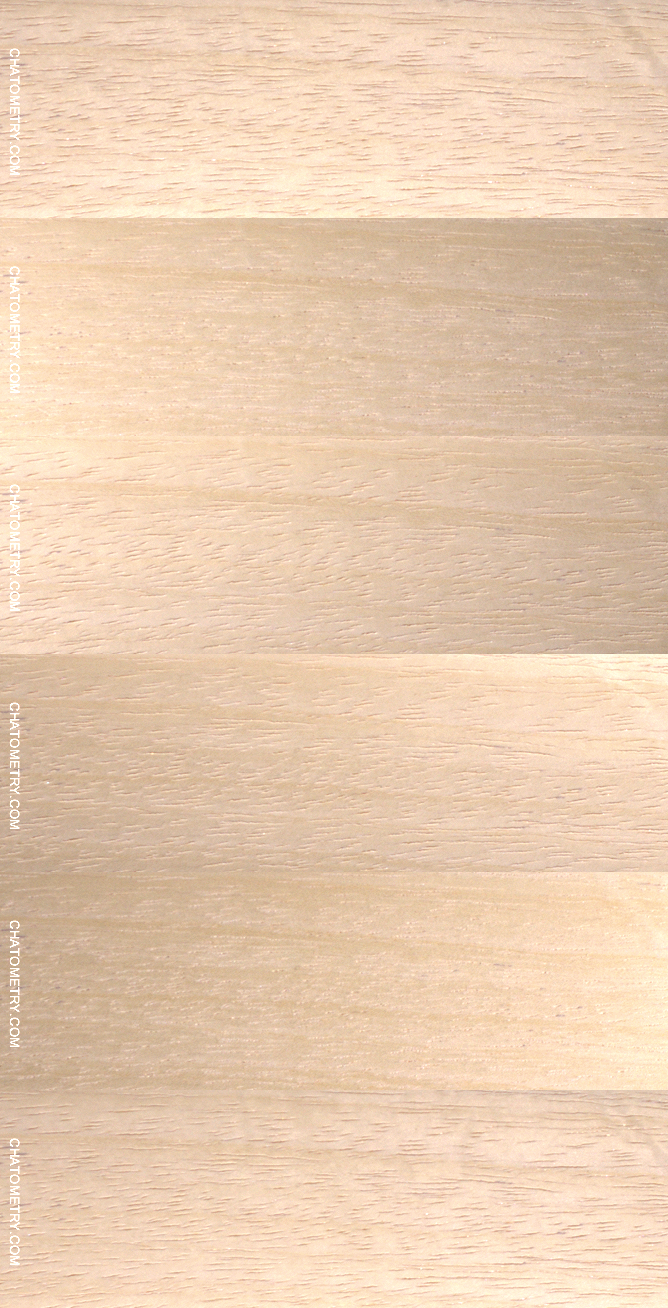
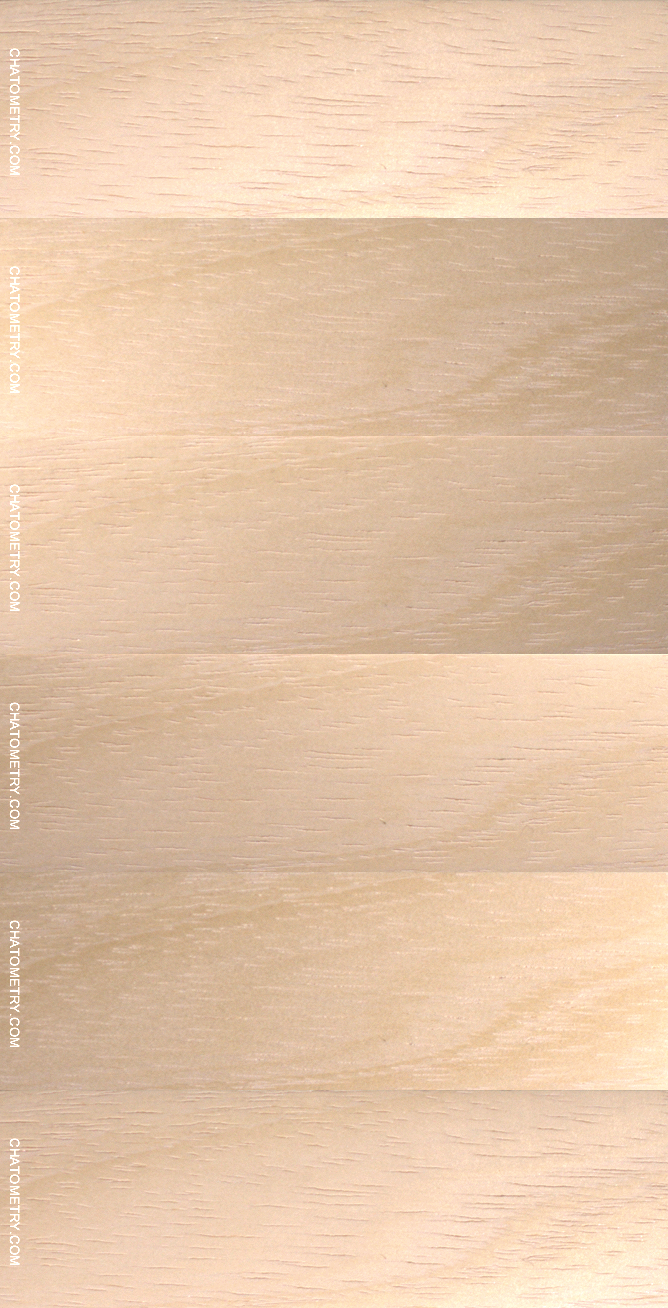
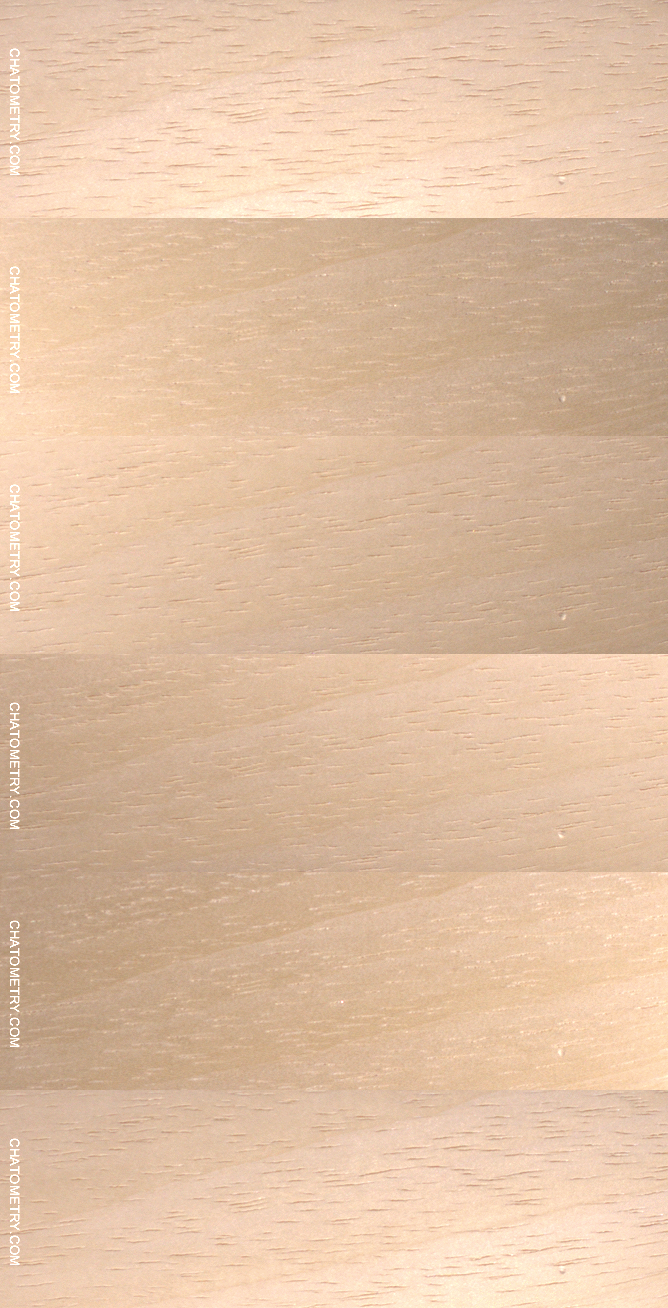
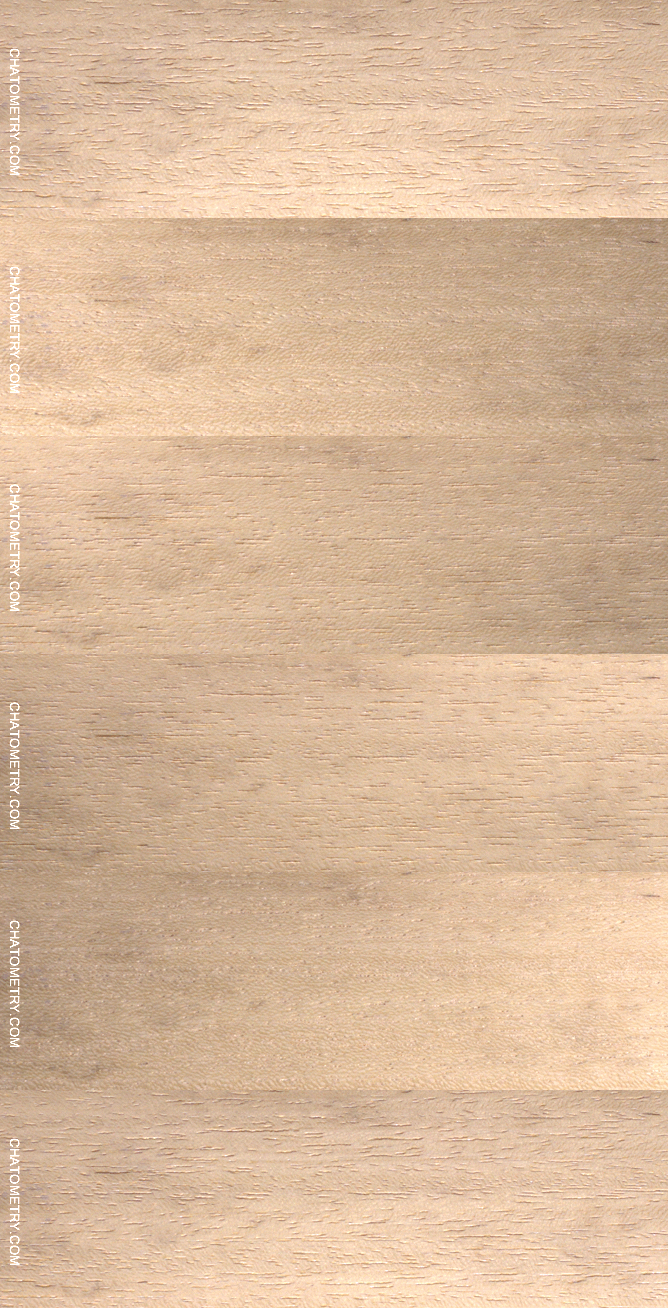
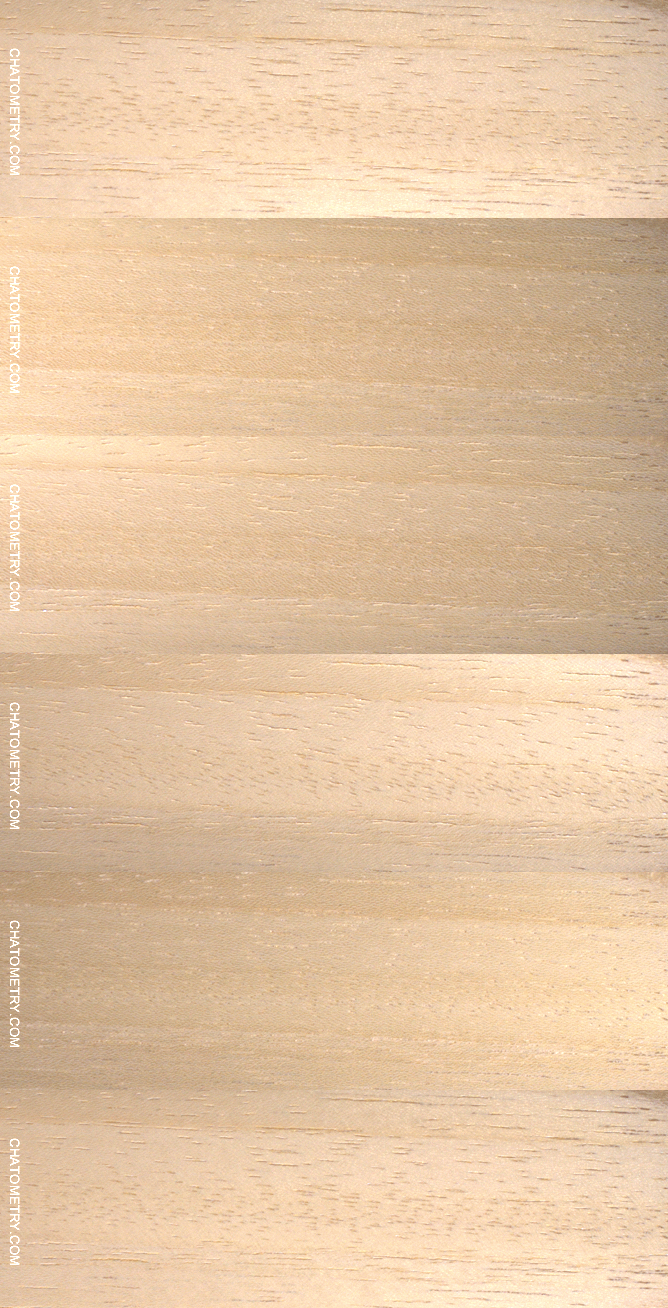
Pictures – each from a different individual tree:


[Previous] —————— [Next]
Want to know more? Get Woodworker’s Guide to Chatoyance!


… and enjoy the read!