Skip to content

PZC Chatometry

A standard system to measure wood chatoyance

Menu
  • Home
  • What is Chatoyance?
    • Curl
    • Ribbon Stripe
    • Other Figures
    • Flecks
    • Growth Rings
    • Knots
  • The PZC method
    • Scale example 1
    • Scale example 2
    • Scale example 3
    • Scale example 4
  • Woods
    • Summary Table
    • Africa
      • Abura
      • Afrormosia
      • Agba
      • Agba
      • Afzelia
      • Aniegre
      • Avodire
      • Azobe
      • Bilinga
      • Bilinga
      • Bomanga
      • Boire
      • Bubinga
      • Cola
      • Ebiara
      • Ebony, Gaboon
      • Etimoe
      • Faro
      • Faro
      • Framire
      • Guarea
      • Iroko
      • Lati
      • Khaya
      • Kosipo
      • Kotibe
      • Kotibe
      • Koto
      • Limba
      • Limba, Black
      • Makore
      • Mansonia
      • Moabi
      • Movingui
      • Niangon
      • Niove
      • Obeche
      • Ocotea
      • Ocotea
      • Ovangkol
      • Okoume
      • Padouk
      • Purpleheart
      • Ramin
      • Rosewood, African Blackwood
      • Rosewood, African Blackwood
      • Rosewood, Madagascar
      • Sapele
      • Sipo
      • Tali
      • Tiama
      • Wenge
      • Walnut, African
      • Zebrawood
    • Asia
      • Acacia, unspecified
      • Ailanthus
      • Albizia, unspecified
      • Alstonia
      • Artocarpus
      • Ash, Tamo
      • Bintangor
      • Bamboo
      • Camphor
      • Coconut
      • Ebony, Black and White
      • Ebony, Macassar
      • Fig, misc.
      • Kapur
      • Keruing
      • Mango
      • Meranti
      • Merbau
      • Mersawa
      • Narra
      • Paulownia
      • Rosewood, Indian
      • Satinwood
      • Sen
      • Sucupira
      • Teak
    • Europe
      • Alder
      • Apple
      • Ash, European
      • Ash, Olive
      • Beech, European
      • Birch
      • Birch, Karelian Burl
      • Black Locust
      • Bog Oak
      • Cedar, European
      • Cherry, Sweet
      • Chestnut, Horse
      • Chestnut, Sweet
      • Cypress, Mediterranean
      • Elm
      • Fir, European Silver
      • Hawthorn
      • Hazelnut
      • Hornbeam
      • Laburnum
      • Lagerstroemia
      • Larch, European
      • London Plane
      • Lime, European
      • Madrone
      • Maple, European
      • Mulberry
      • Oak, Sessile
      • Olive
      • Olive, Russian
      • Poplar, Yellow
      • Pine, Maritime
      • Pine, Swiss Stone
      • Pine, unspecified
      • Pear
      • Poplar
      • Spruce, Fiemme (Ciresa tonewood)
      • Sumac
      • Walnut, European
      • Yew
    • North America
      • Ash, American White
      • Alder, Red
      • Beech, North American
      • Beech, North American
      • Boxelder
      • Butternut
      • Catalpa
      • Cedar, Eastern Red
      • Cedar, Western Red
      • Cherry, Black
      • Cypress, Bald
      • Cypress, Lawson
      • Desert Ironwood
      • Desert Ironwood
      • Dogwood
      • Fir, Douglas
      • Giant Sequoia
      • Hackberry
      • Hemlock
      • Hickory
      • Holly
      • Honey Locust
      • Juniperus misc.
      • Koa
      • Magnolia
      • Maple, Bigleaf
      • Maple, Bigleaf
      • Maple, Hard
      • Mesquite
      • Mesquite
      • Oak, Red
      • Oak, White
      • Osage Orange
      • Osage Orange, Green
      • Red Gum
      • Pecan
      • Pecan
      • Redwood
      • Sassafras
      • Service Tree
      • Sycamore, American
      • Sycamore, American
      • Walnut, Black
      • Walnut, Claro
      • Walnut, Claro
      • Willow
    • Oceania
      • Agathis
      • Ash, Crow’s
      • Australian Blackwood
      • Black Bean
      • Cedar, Australian Red
      • Eucalyptus, unspecified
      • Ash, Mountain
      • Gum, River Red
      • Oak, Tasmanian
      • Jarrah
      • Maple, Queensland
      • Oak, Northern Silky
      • Oak, Southern Silky
      • Pine, Huon
      • She-Oak, River
      • Spotted Gum
      • Tasmanian Myrtle
      • Walnut, Queensland
    • South and Central America
      • Angelim
      • Araucaria
      • Aspidosperma
      • Bloodwood
      • Bocote
      • Canarywood
      • Carapa
      • Cedar, Spanish
      • Cerejeira
      • Chechen
      • Cumaru
      • Curupixa
      • Freijo
      • Garapa
      • Goncalo Alves
      • Goupie
      • Granadillo
      • Guanacaste
      • Guatambu
      • Imbuia
      • Ipe
      • Jacareuba
      • Jatoba
      • Jequitiba
      • Katalox
      • Leopardwood
      • Lignum Vitae
      • Louro Faia
      • Louro Preto
      • Mahogany, Cuban
      • Mahogany, Honduras
      • Massaranduba
      • Nothofagus
      • Osage Orange, Argentine
      • Pao Rosa
      • Peroba Rosa
      • Piquiarana
      • Podocarpus
      • Primavera
      • Rosewood, Brazilian
      • Rosewood, Cocobolo
      • Rosewood, Honduras
      • Rosewood, Kingwood
      • Rosewood, Santos
      • Tatajuba
      • Timbauba
      • Tineo
      • Tulipwood (Brazilian)
      • Ziricote
  • Case studies
  • Credits
  • Contacts
  • Services
  • Shop
    • Woodworker’s Guide to Chatoyance
    • Woodworker’s Guide to Chatoyance – Compact Edition

Maple, Hard

acer saccharum, Sapindaceae, Angiospermae (Hardwood)
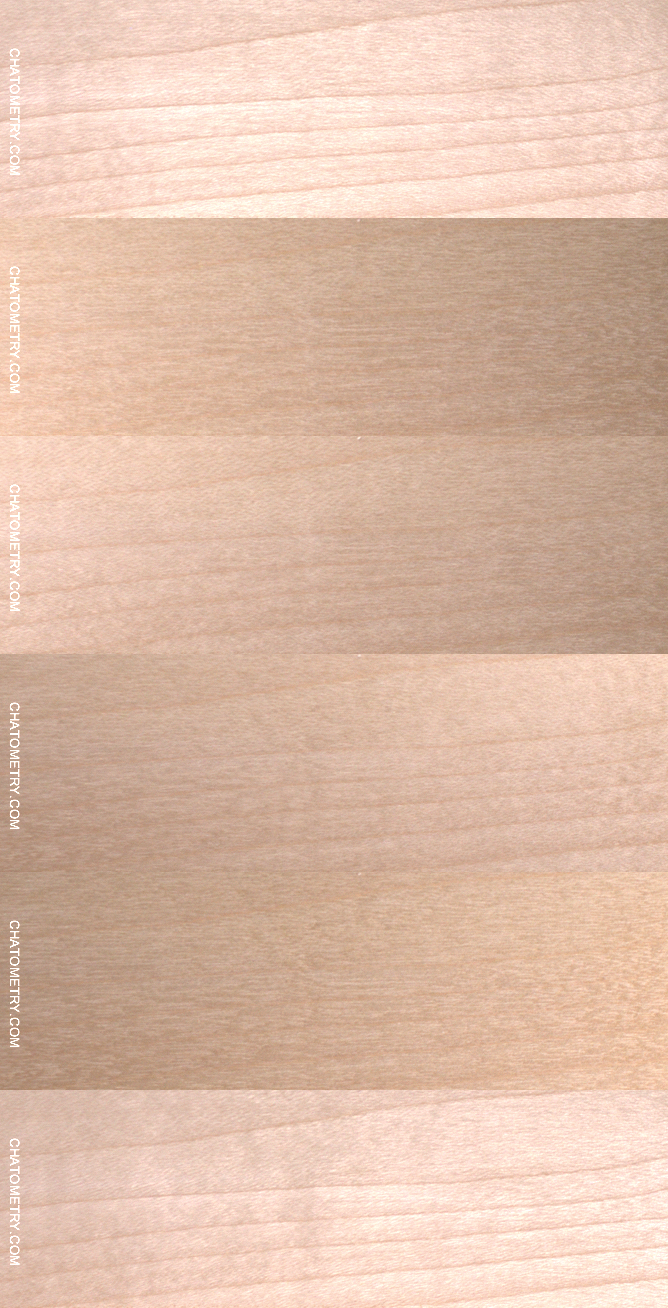
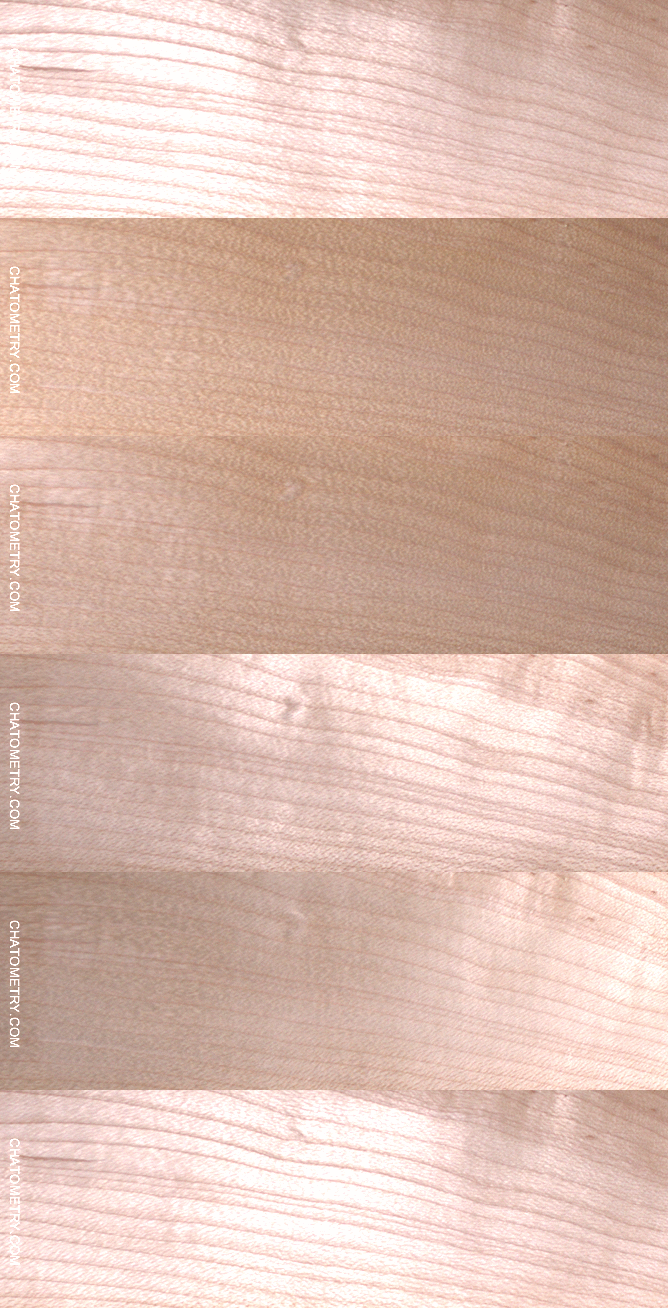
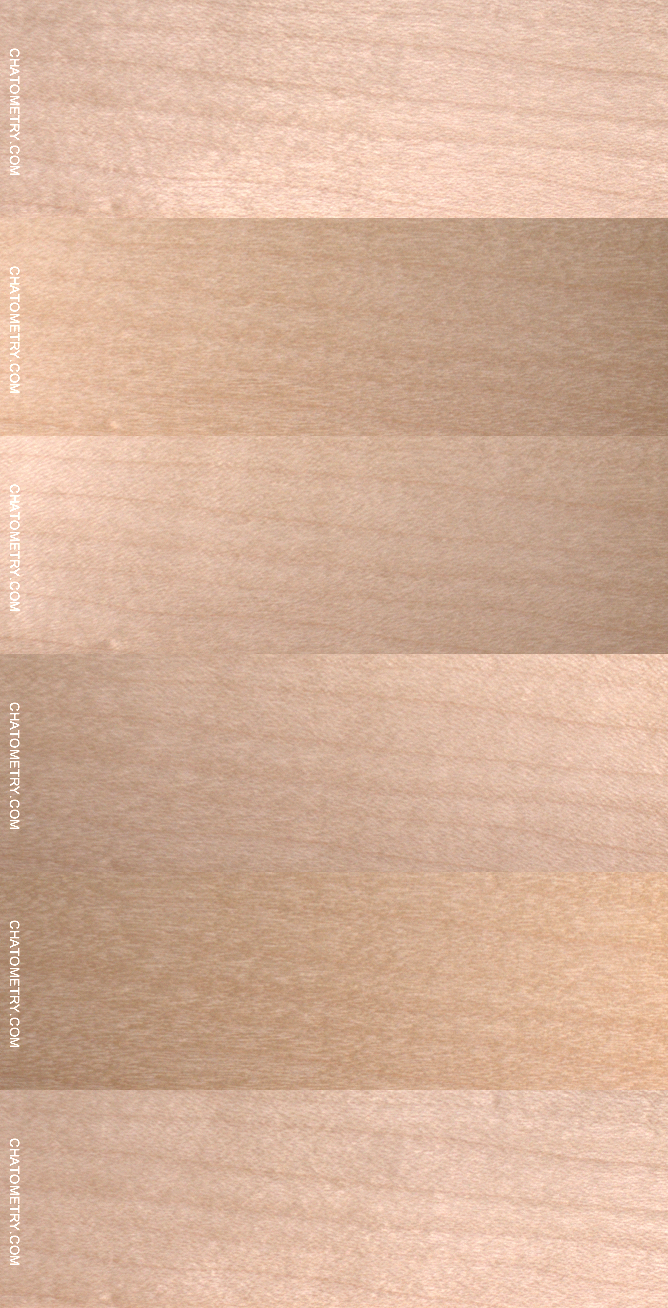
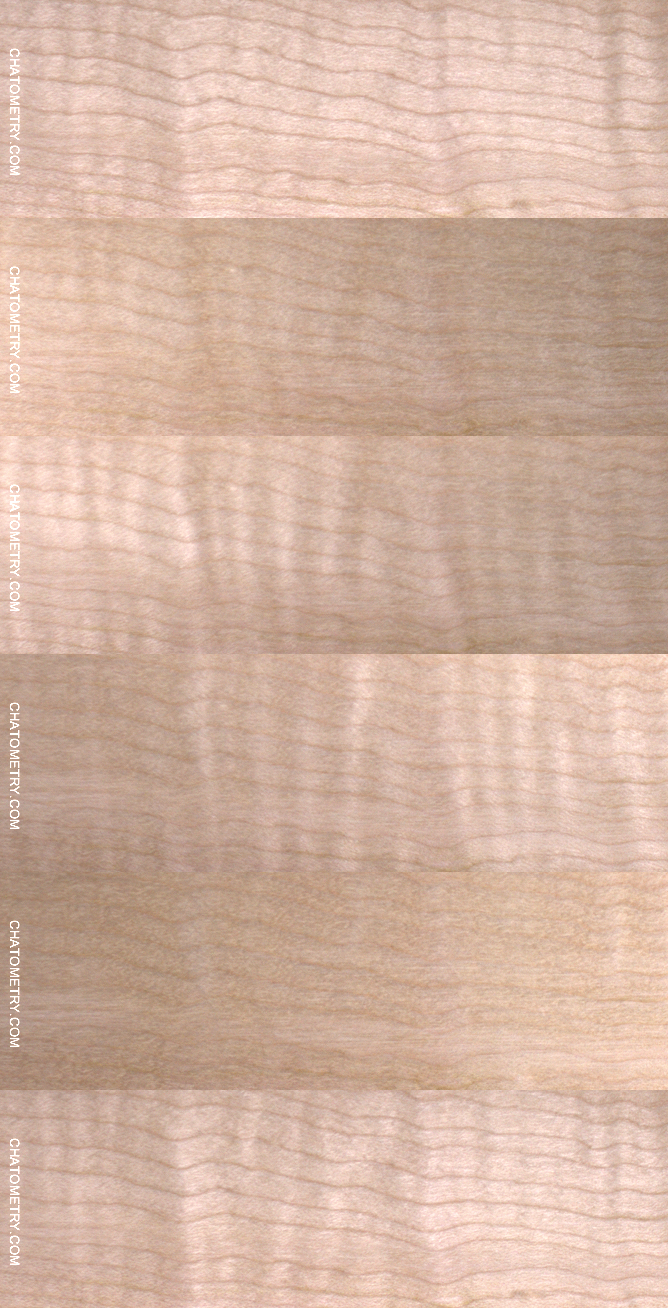
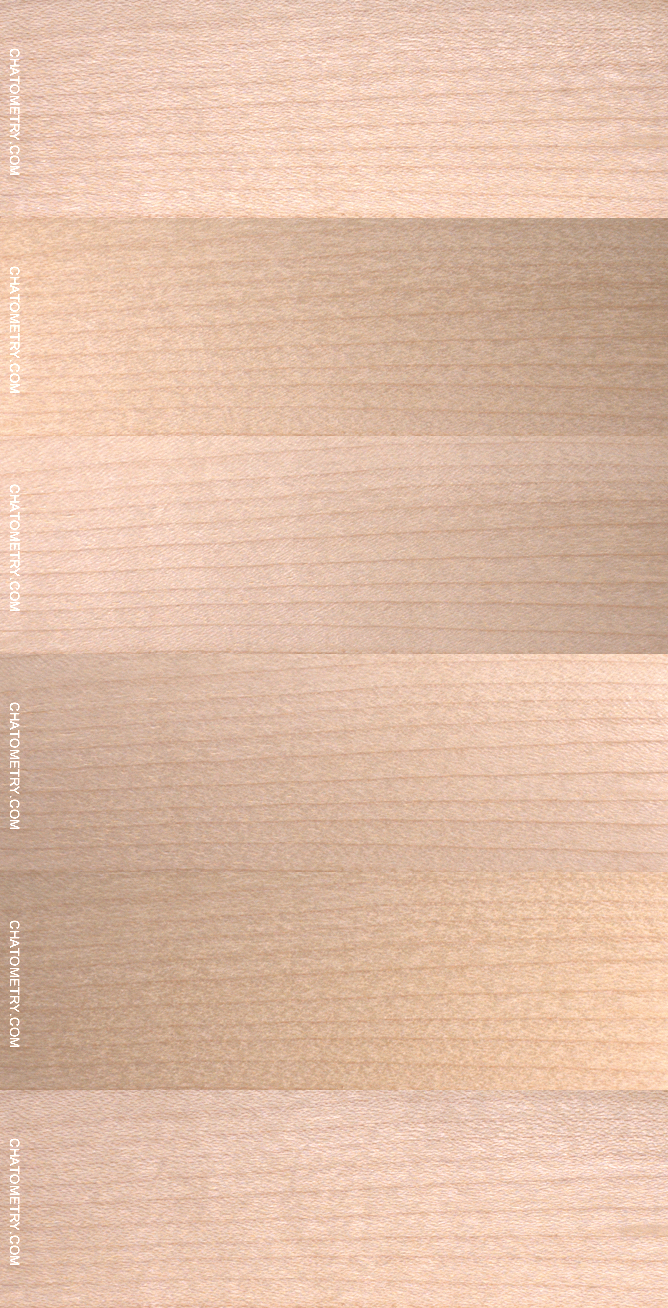
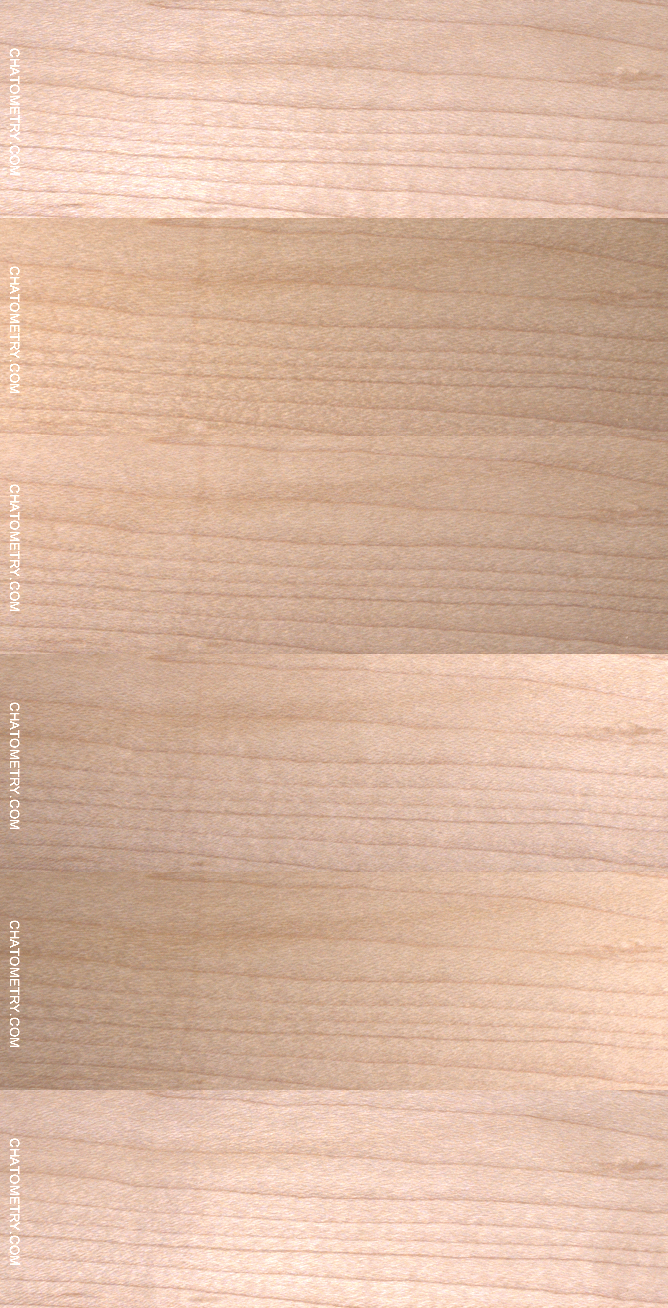
reference picture – see below for more pictures

Chatoyance was measured by the chatometry.com team using the PZC method. The statistics for this specific timber are hereby summarized to provide an evaluation of data robustness:
Number of sources for samples: 9
Number of individual trees analyzed: 12
Number of specimens: 33
Number of measurements: 102
Max PZC read (of all measurements): 23.7
Min PZC read (of all measurements): 11.4
Max PZC average on one log: 18.9
Min PZC average on one log: 12.7
PZC Average of all logs: 15.2

Species: acer saccharum
Family: Sapindaceae
Clade: Angiospermae
Description: The Sugar Maple (Acer saccharum) is a large deciduous tree known for its distinctive 3-5 lobed leaves with U-shaped sinuses, brilliant fall foliage (yellow, orange, red), and furrowed bark. It is the primary source of maple syrup.

Pictures – each from a different individual tree:
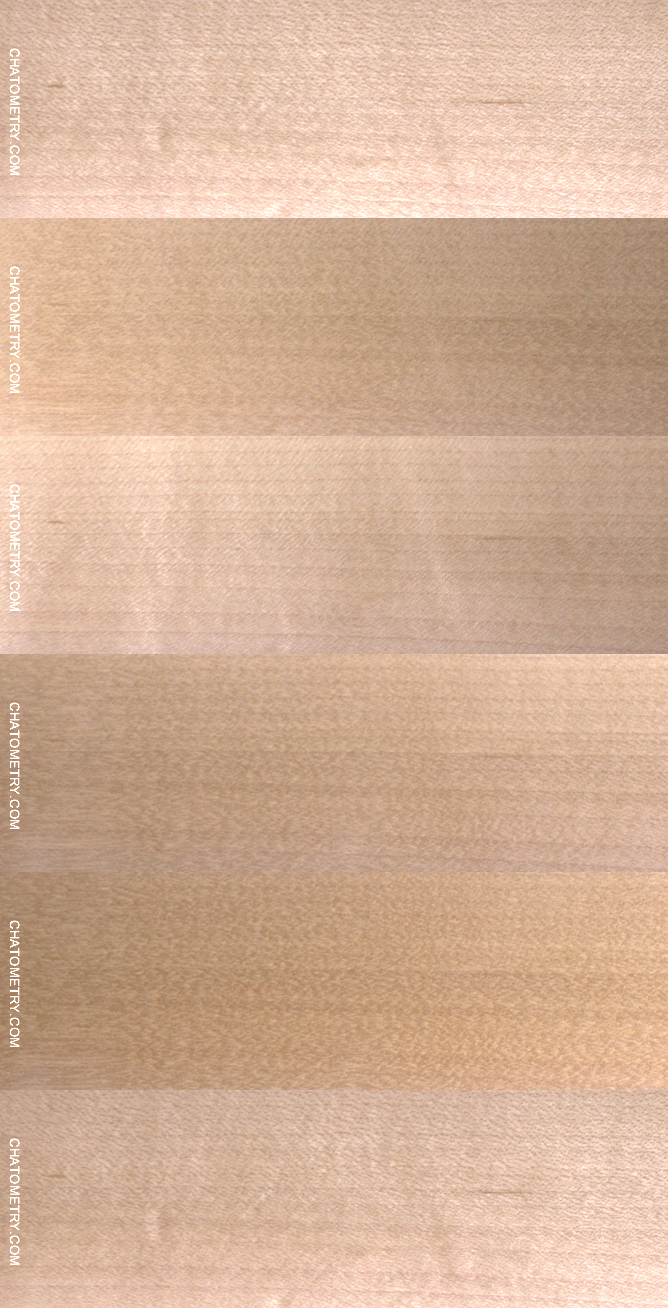
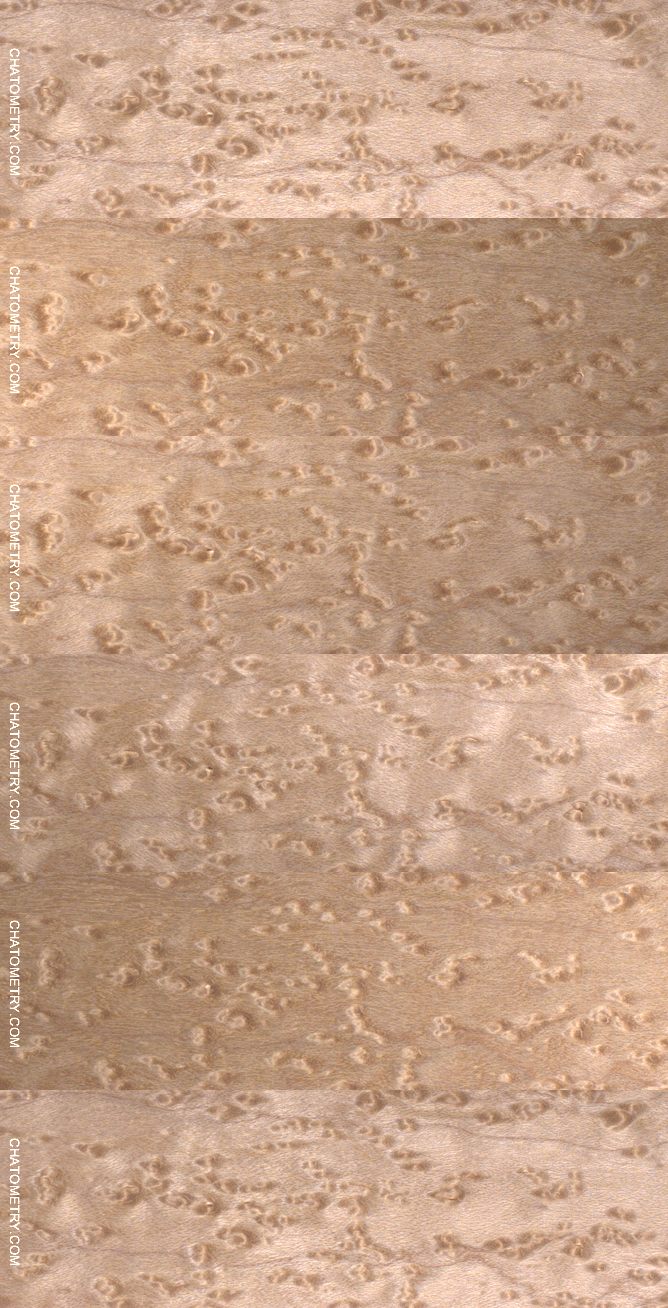
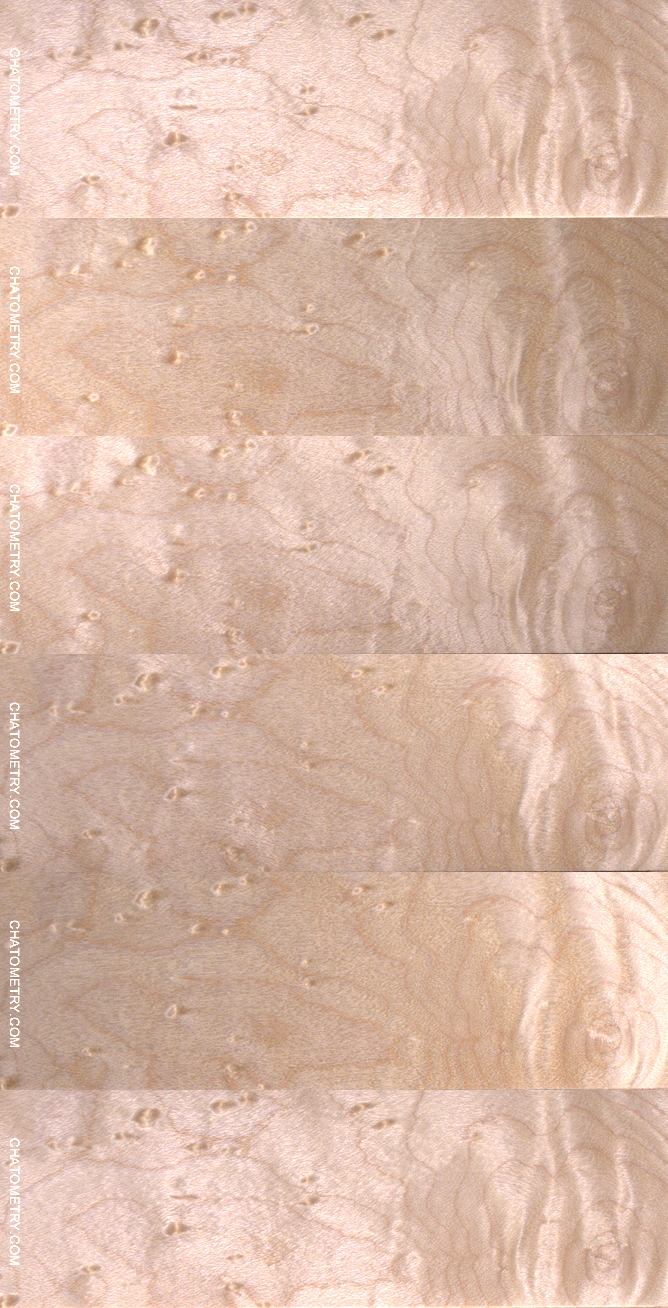
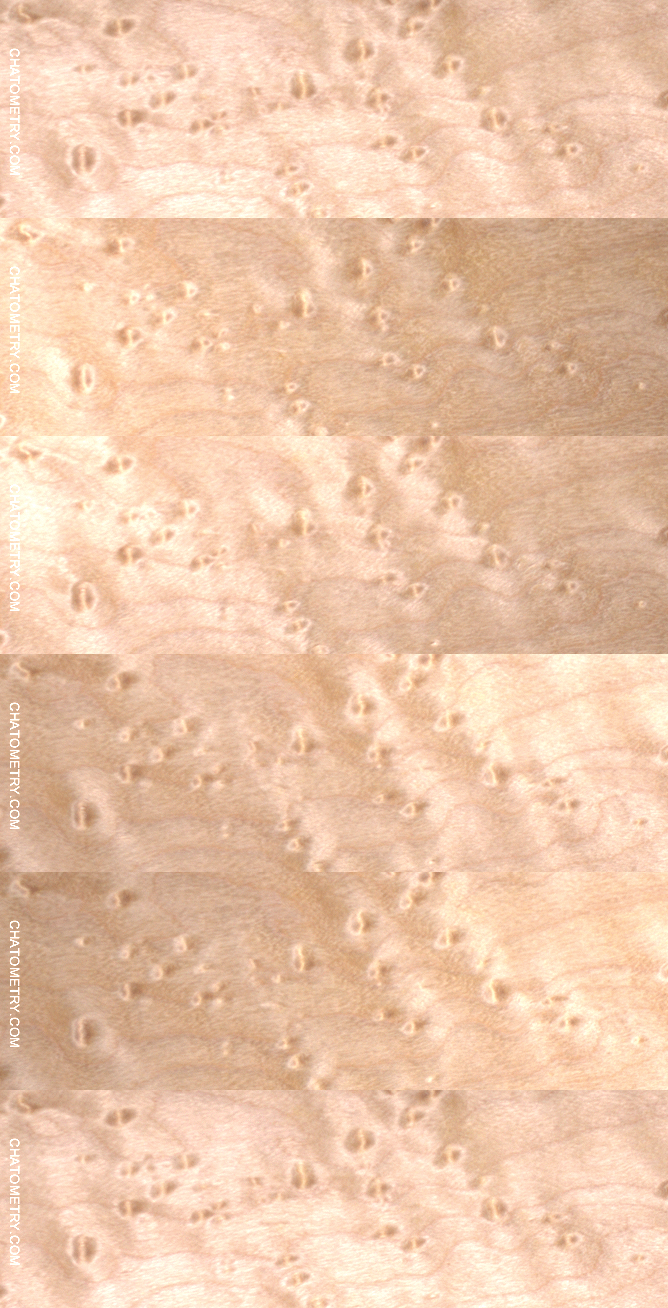
Log 1 (from [Source 5]) – PZC = 18.2
Log 2 (from [Source 1]) – PZC = 22.7
Log 3 (from [Source 28]) – PZC = 16.1
Log 4 (from [Source 27]) – PZC = 14.8
Log 5 (from [Source 4]) – PZC = 13.9
Log 6 (from P. Hinds) – PZC = 13.2
Log 7 (from P. Hinds) – PZC = 14.7
Log 8 (from [Source 27]) – PZC = 17.4
Log 9 (from [Source 27]) – PZC = 15.5
Log 10 (from [Source 56]) – PZC = 12.8
Log 11 (from [Source 58]) – PZC = 13.7
Log 12 (from [Source 79]) – PZC = 12.4

See also
FINISHING MAPLE
FINISHING CURLY MAPLE
FINISHING CURLY MAPLE PART 2
SURFACE PREPARATION ON CURLY MAPLE
INCREMENTAL GRIT AND FINISHING ON CURLY MAPLE
PROGRESSIVE GRIT SANDING
RAW VENEER VS FINE SANDED
SUPERSURFACING
EPOXY RESIN
ROASTING CURLY MAPLE
LARGE GIFS 4

[Previous] —————— [Next]

Want to know more? Get Woodworker’s Guide to Chatoyance!

… and enjoy the read!

2 thoughts on “Maple, Hard”

  1. Leonard Crispino on Aprile 5, 2025 | 7:43 pm

    Hello, I am an amateur woodworker and am planning to make 22 string harp. I’m thinking of using a birdseye (hard) maple for the soundboard. Nd box and then padauk for the main frames of neck and shoulders of harp. I love woods with high chatoyancy. Can you comment or provide some feedback on these options. Molto Grazie,
    Leonardo Crispino
    Toronto

    Rispondi
    • ppjbcol on Maggio 12, 2025 | 8:19 pm

      Dear Leonard
      These are both fairly chatoyant species, especially if you sand them to very high grit (>2500) and if you finish them avoiding water-based products.
      However, consider that padouk’s vibrant colour fades to brown with team, especially if your harp is exposed to sunlight.
      Paolo

      Rispondi

Lascia un commento Annulla risposta

Il tuo indirizzo email non sarà pubblicato. I campi obbligatori sono contrassegnati *

PZC Chatometry 2026 . Powered by WordPress