robinia pseudoacacia, Fabaceae, Angiospermae (Hardwood)

Other names: Falsche akazie, Robinie, Robinia, Acacia, Robinier, False acacia
Chatoyance was measured by the chatometry.com team using the PZC method. The statistics for this specific timber are hereby summarized to provide an evaluation of data robustness:
Number of sources for samples: 16
Number of individual trees analyzed: 35
Number of specimens: 76
Number of measurements: 234
Max PZC read (of all measurements): 28.4
Min PZC read (of all measurements): 7.1
Max PZC average on one log: 23.1
Min PZC average on one log: 7.4
PZC Average of all logs: 14.9
Species: robinia pseudoacacia
Family: Fabaceae
Clade: Angiospermae
Description: A fast-growing deciduous tree with pinnately compound leaves, often thorny branches, and fragrant white pea-like flowers in drooping clusters, followed by flat brown pods.
Other Local Names: Falsche akazie, Robinie, Robinia, Acacia, Robinier, Robinia, False acacia, Robinia
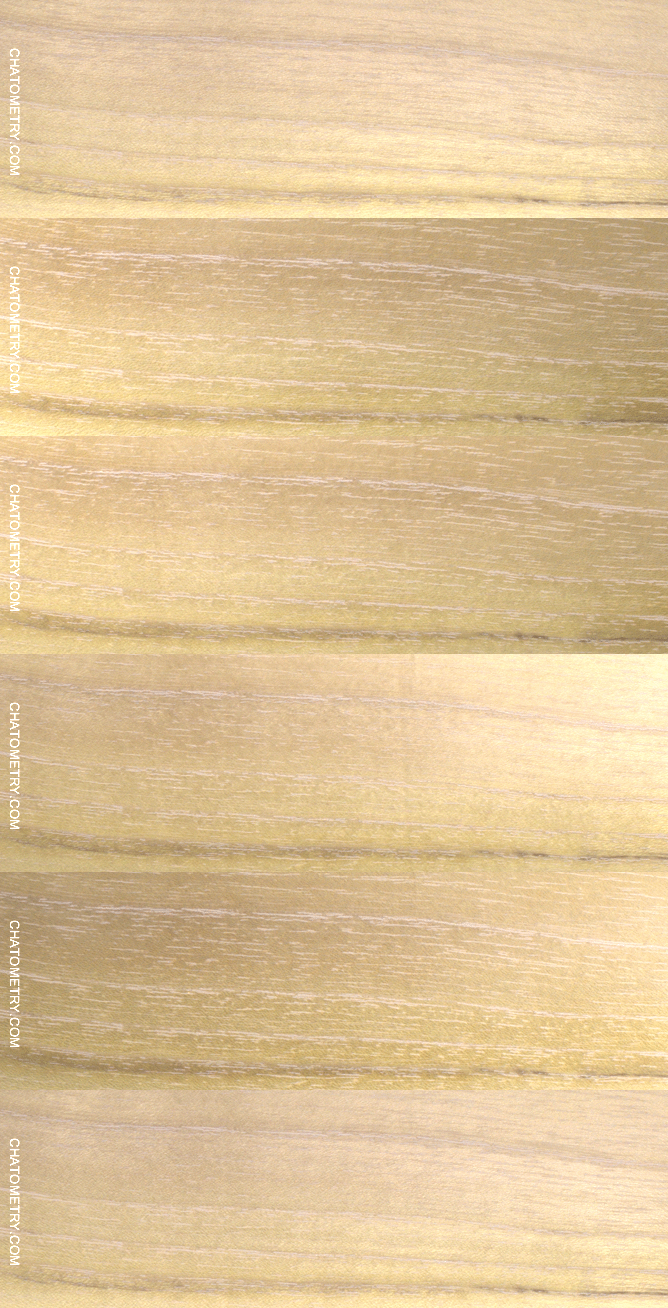
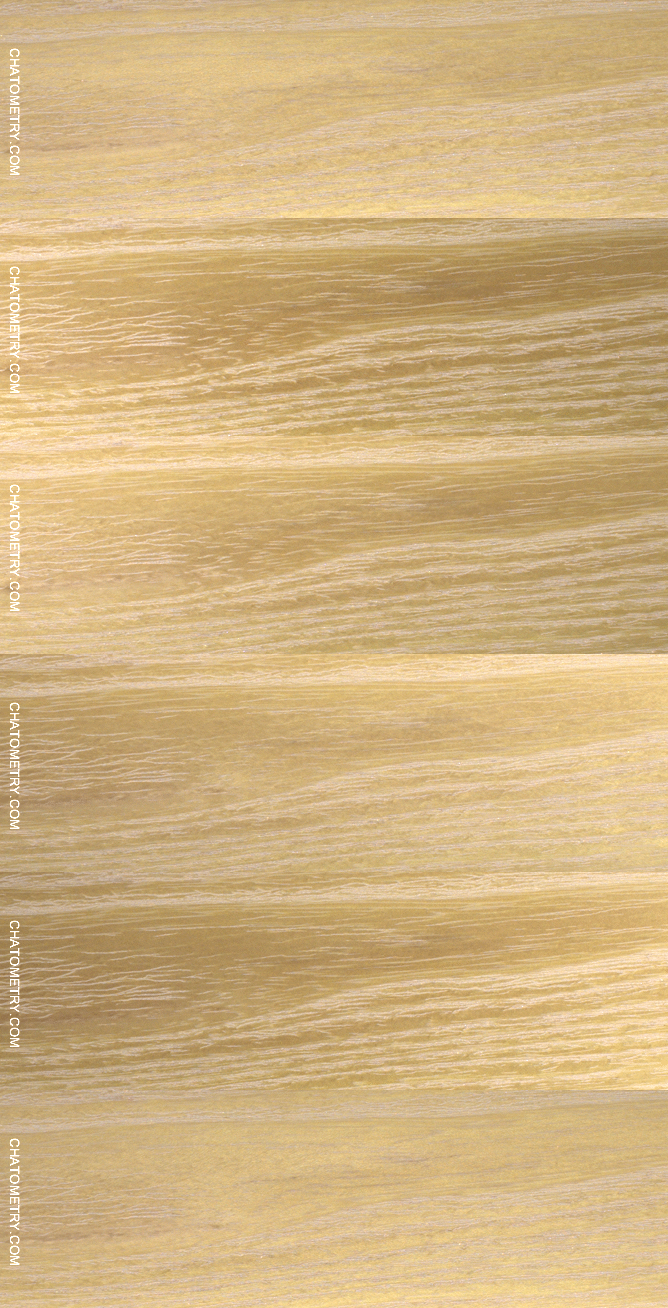
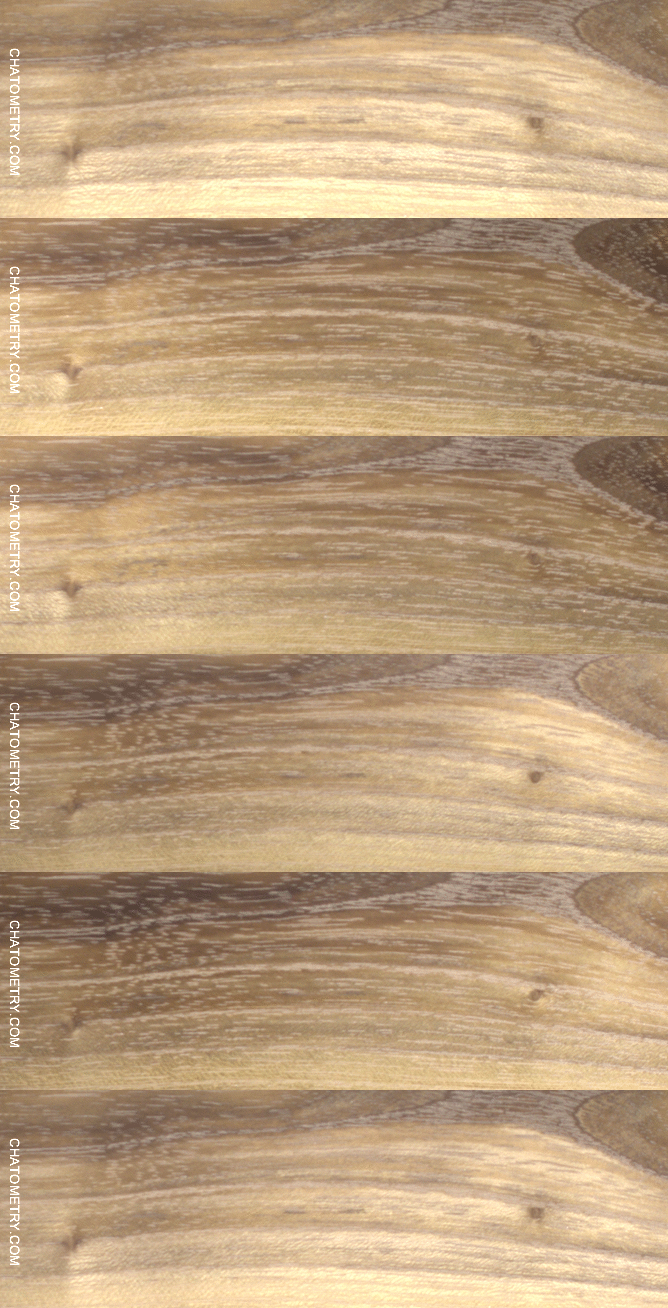
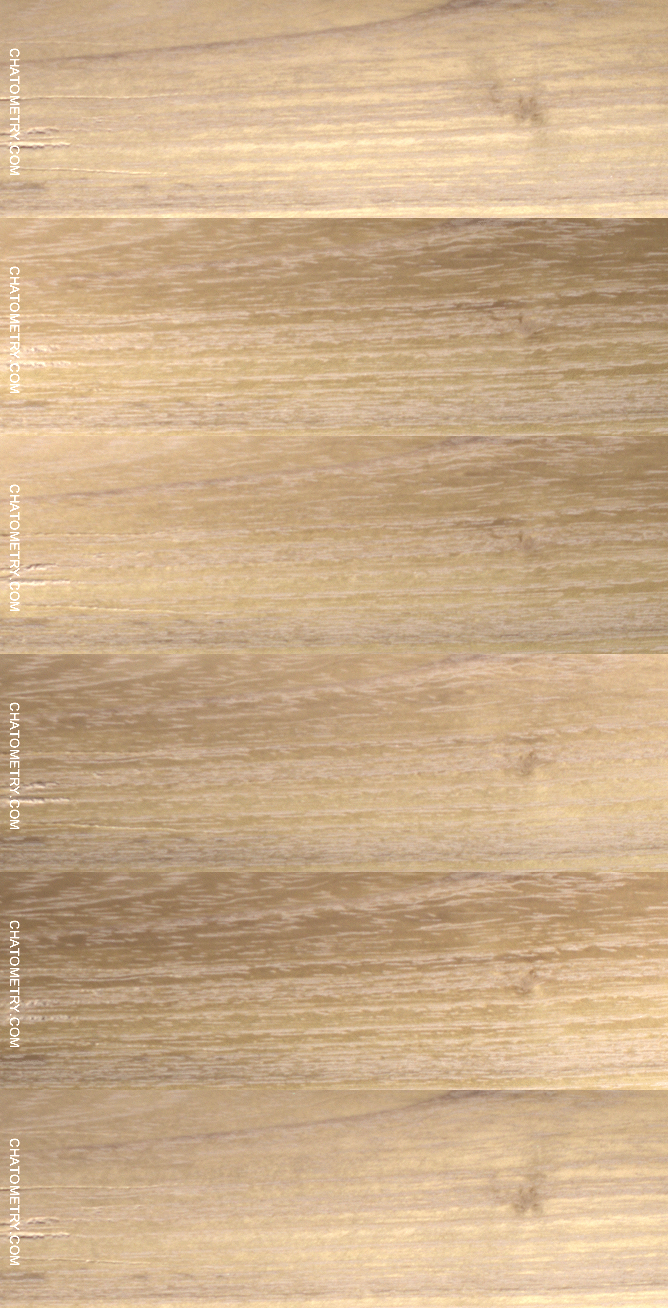
Reference Colour: Yellow brown
Texture: Coarse
Grain: Straight
Interlocked Grain: Absent
Notes: Yellow to greenish yellow when freshly cut, heartwood comes darker and rapidly takes a golden brown shade sometimes quite dark.
Diameter: 15÷50cm
Density @12% MC: 740kg/m³
Janka Hardness: 2850lbf
Crushing Strength @12%MC: 70MPa
Static Bending Strength @12%MC: 126MPa
Longitudinal Modulus of Elasticity E: 16.9GPa
Volumetric Shrinkage Coefficient: 0.4% per %
Total Tangential Shrinkage TS: 6.9%
Total Radial Shrinkage TS: 4.4%
T/R Anisotropy Ratio: 1.6-
Fibre Saturation Point: 30%
Thermal Conductivity: 0.24W/mk
Lower Heating Value: 18560KJ/Kg
Sapwood Thickness: 1÷2cm
Sapwood Demarcation: Clearly demarcated
Resistance to Decay: Class 1-2 – very durable to durable BLACK LOCUST Cross sections of Robinia pseudoacacia
Resistance to Dry Wood Borers: Class D – durable (sapwood demarcated, risk limited to sapwood)
Resistance to Termites: Class D – durable
Treatability: Class 4 – non-treatable
Use Class Covered by Natural Durability: Class 4 – in ground or fresh water contact
Durability Notes: This species is listed in the NF EN 350 standard. It is the only temperate hardwood introduced in Europe which naturally covers the use class 4. According to the European standard NF EN 335 of May 2013, performance length might be modified by conditions in which it is used.
Log Buoyancy: Not applicable
Log Conservation: Good
Drying Rate: Slow
Drying Risk of Distortion: High risk
Drying Risk of Case Hardening: No known specific risk
Drying Risk of Checking: High risk
Blunting Effect: Normal
Machining Tool: Tungsten carbide
Suitability for Peeling: Good
Suitability for Slicing: Good
Sawing Machining Notes: Black Locust has a good aptitude for bending.
Assembly Nailing Screwing: Good but pre-boring necessary
Assembly Notes: Wood prone to splits.
End Uses: Pit props, Decking, Shipbuilding, Exterior panelling, Tool handles (resilient woods), Marquetry, Stakes, Hydraulic works (fresh water), Sliced veneer
Source 1: Tropical Timber Atlas, Editions Quae, e-ISBN 978-2-7592-2770-9
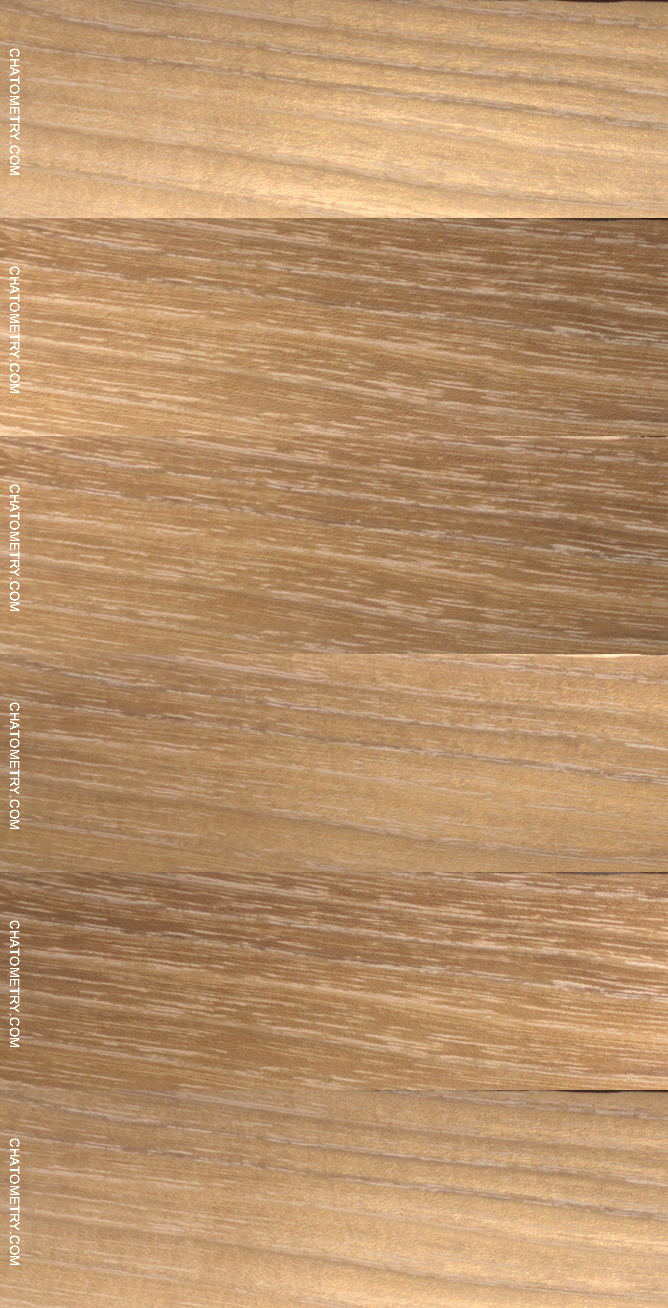
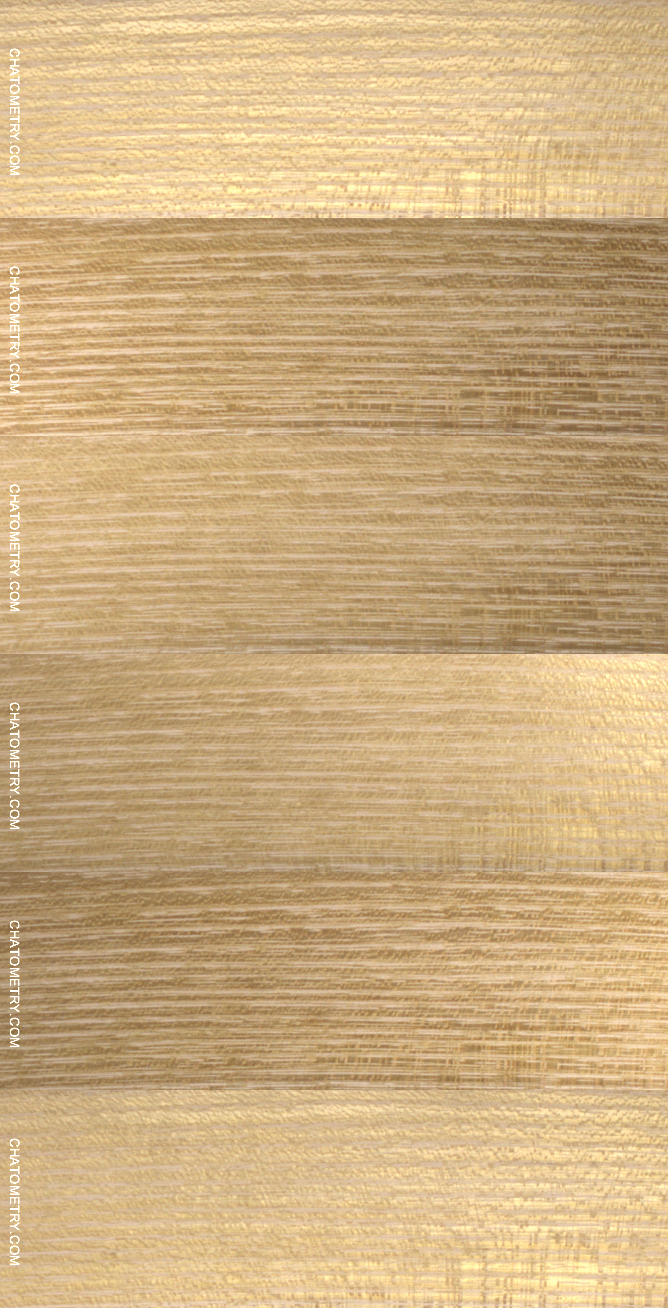
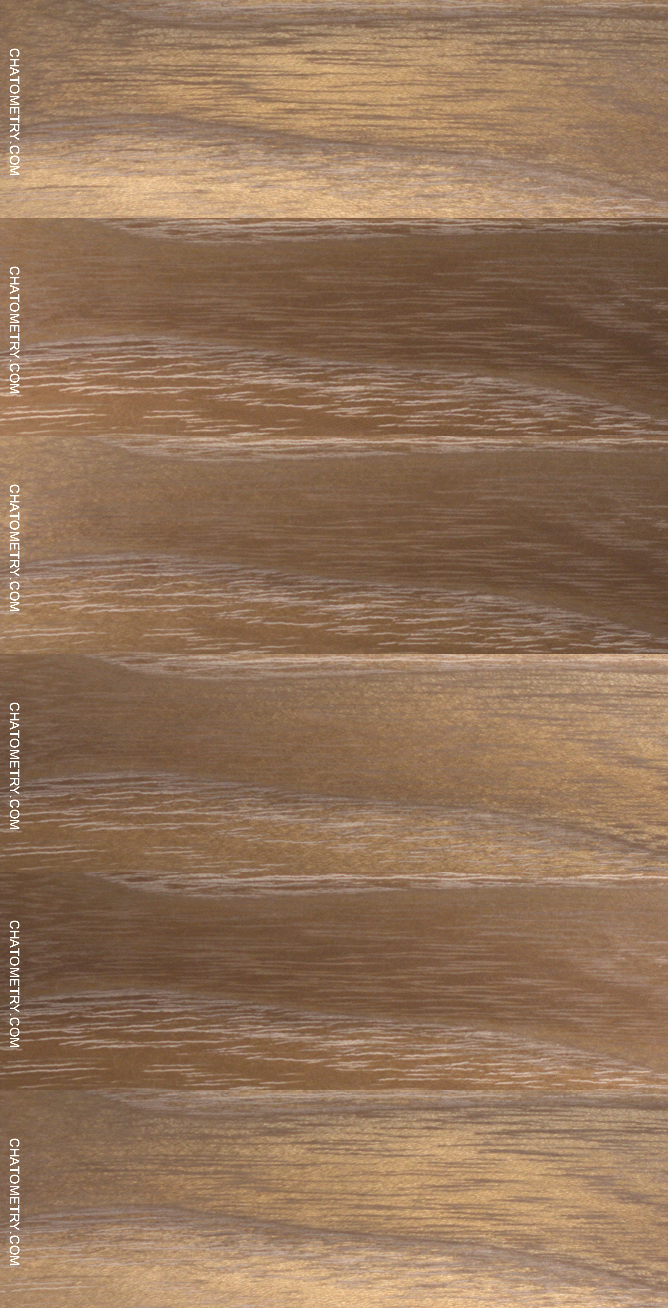
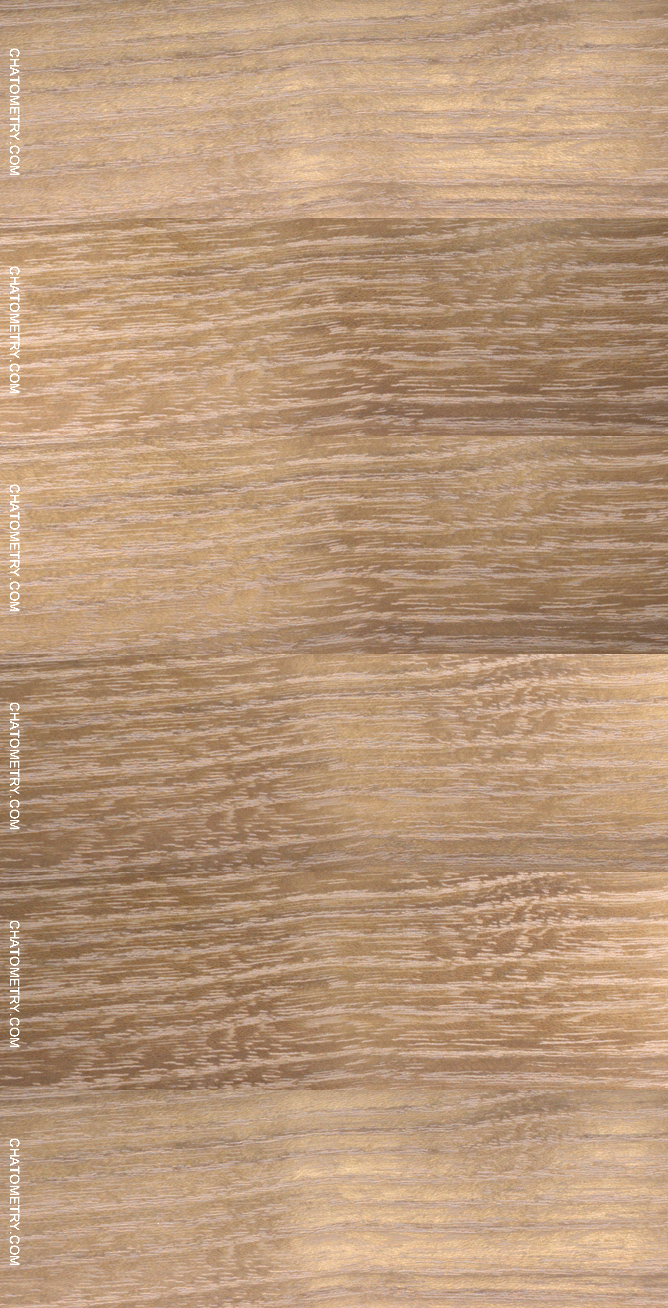
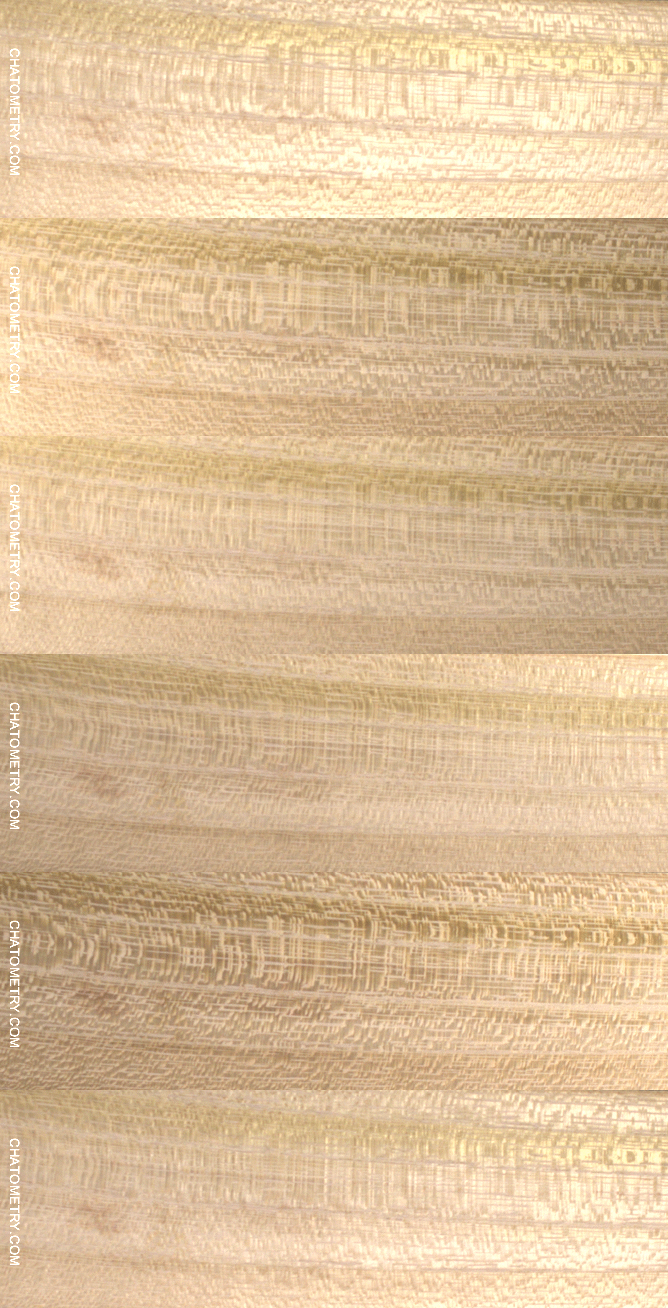
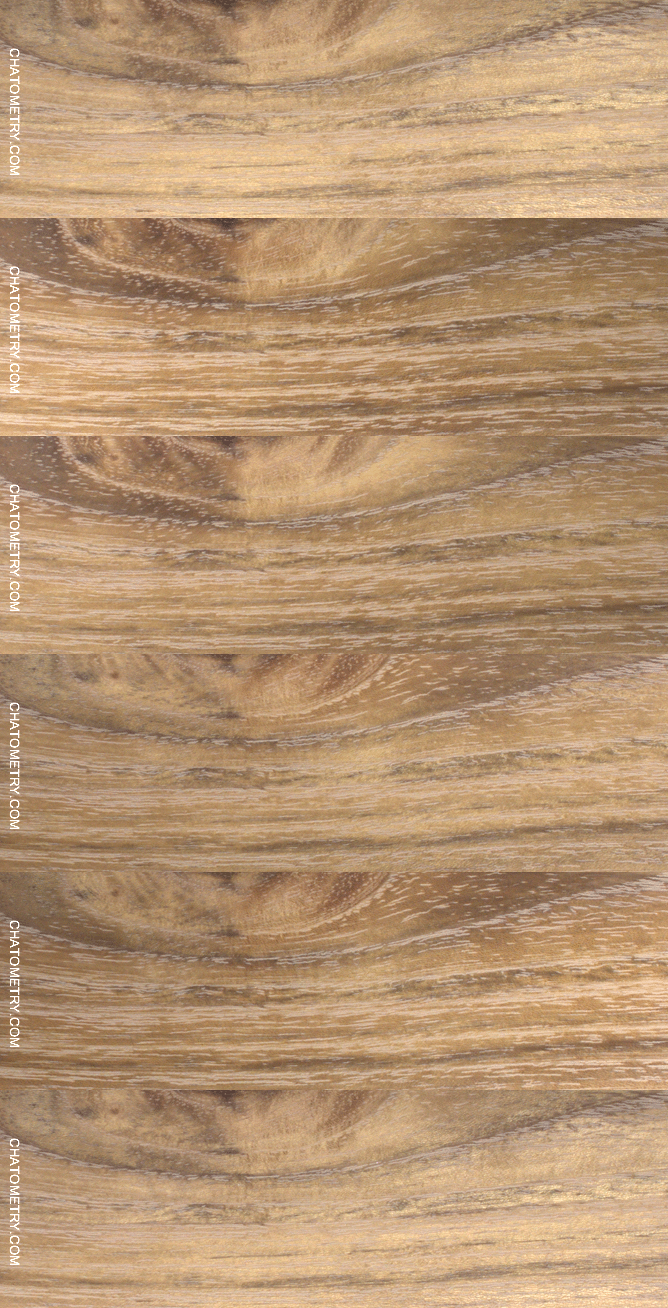
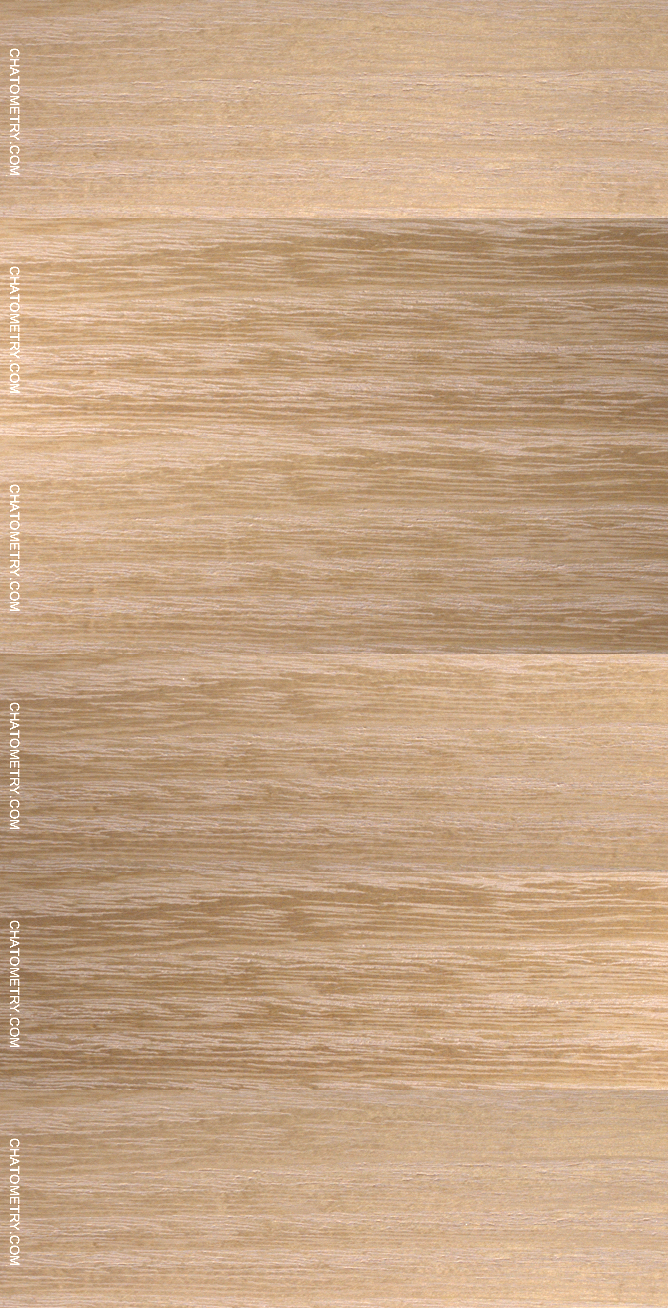
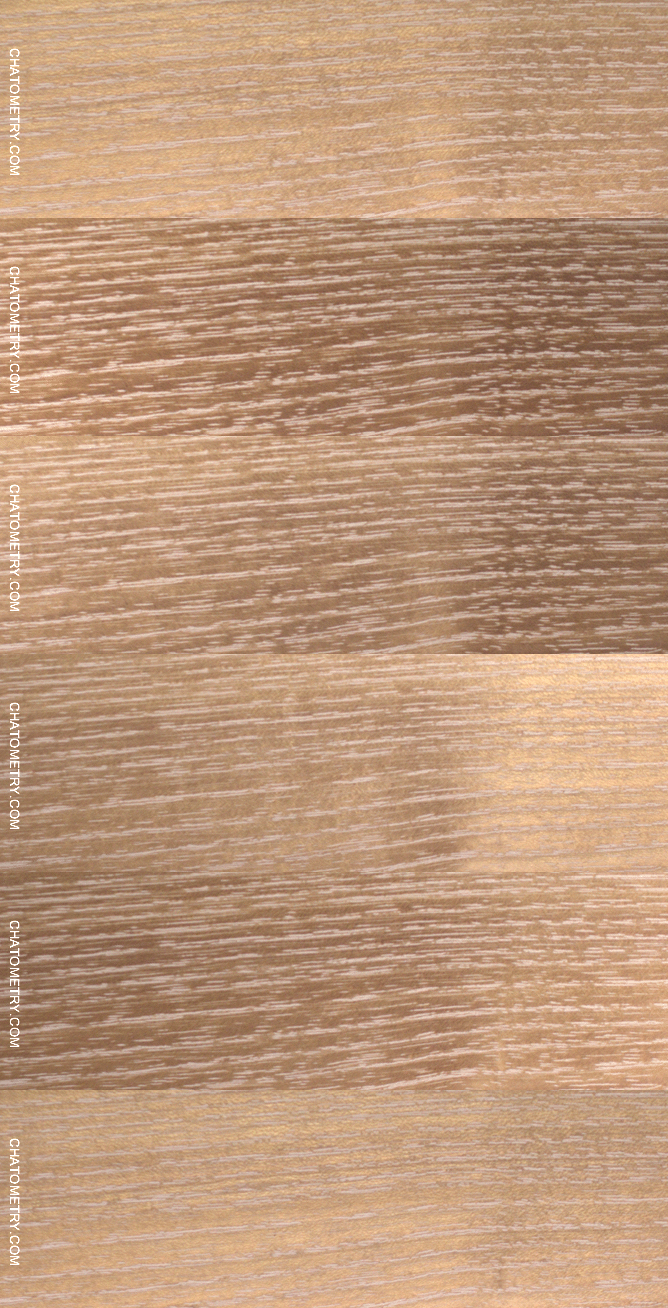
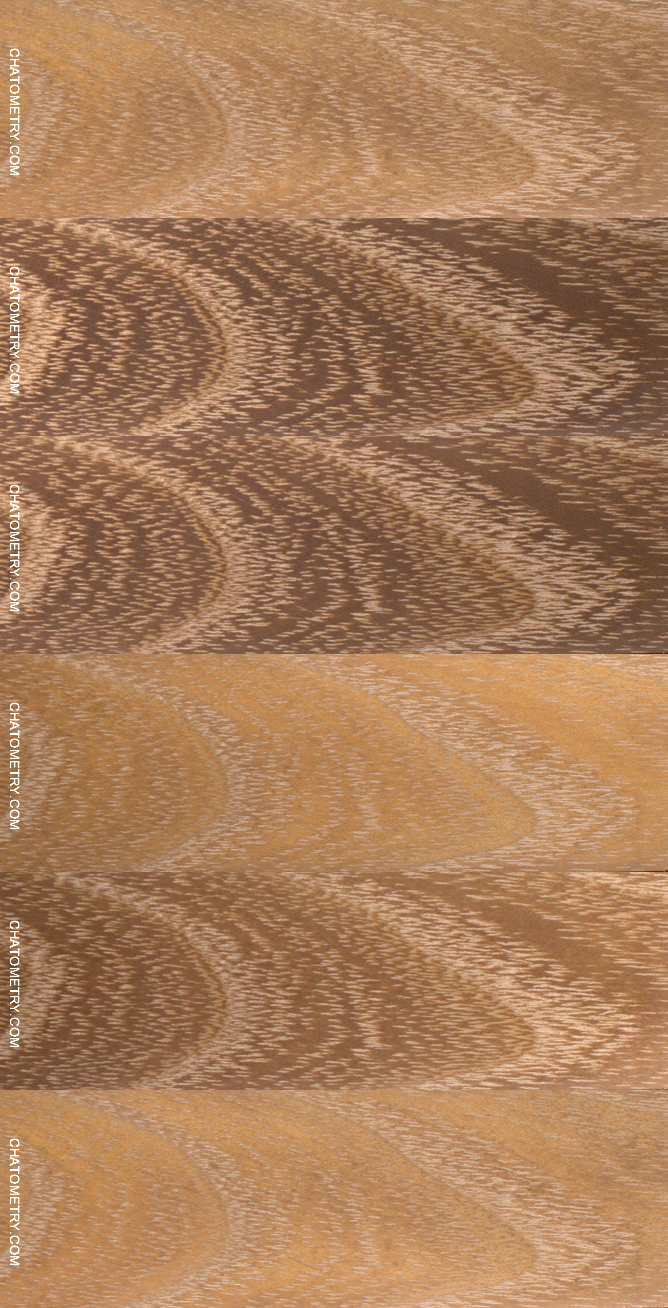
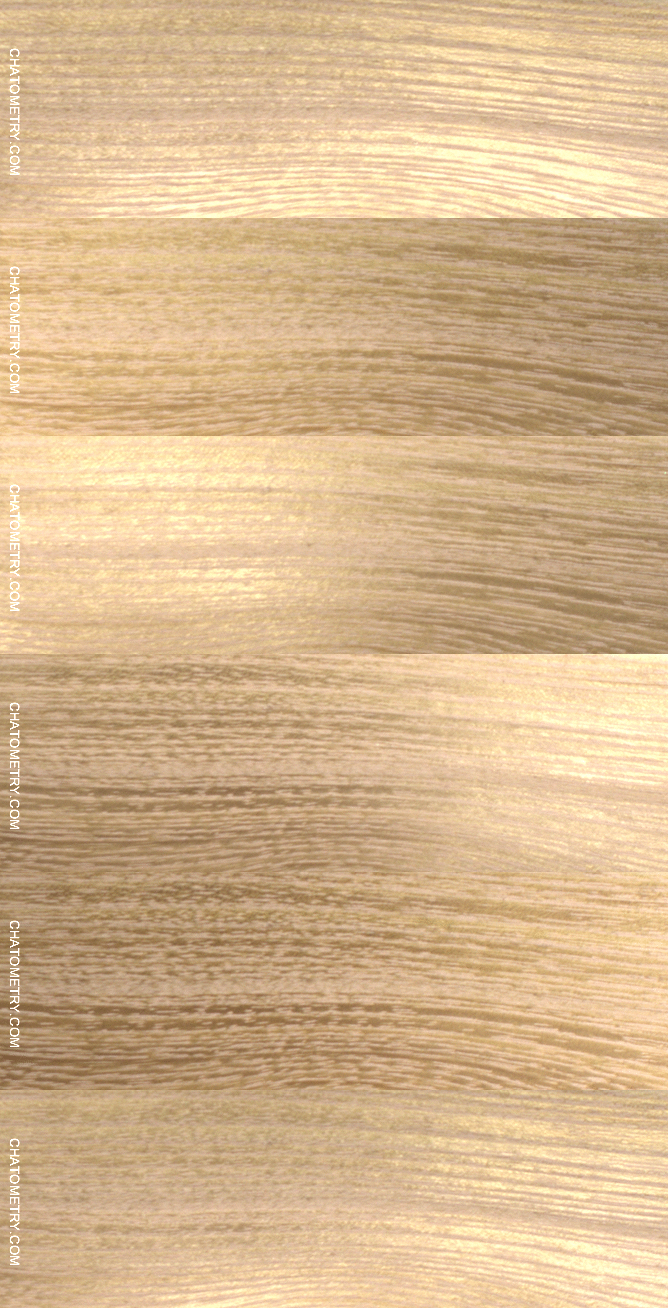
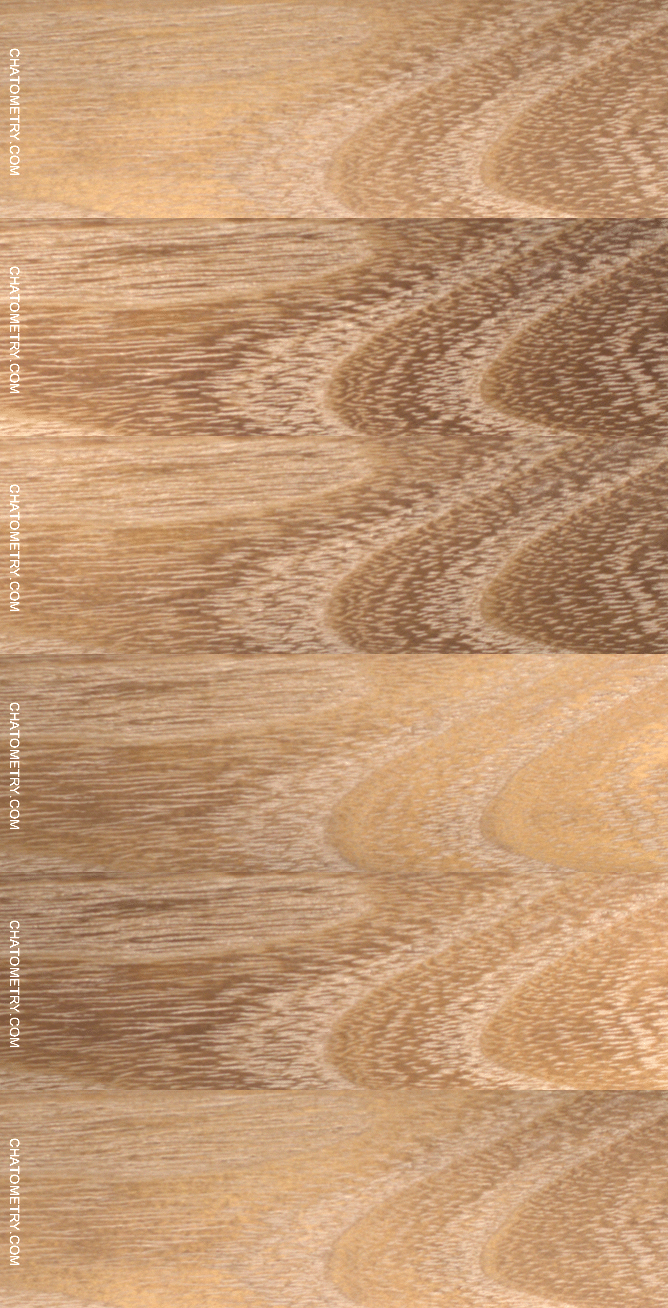
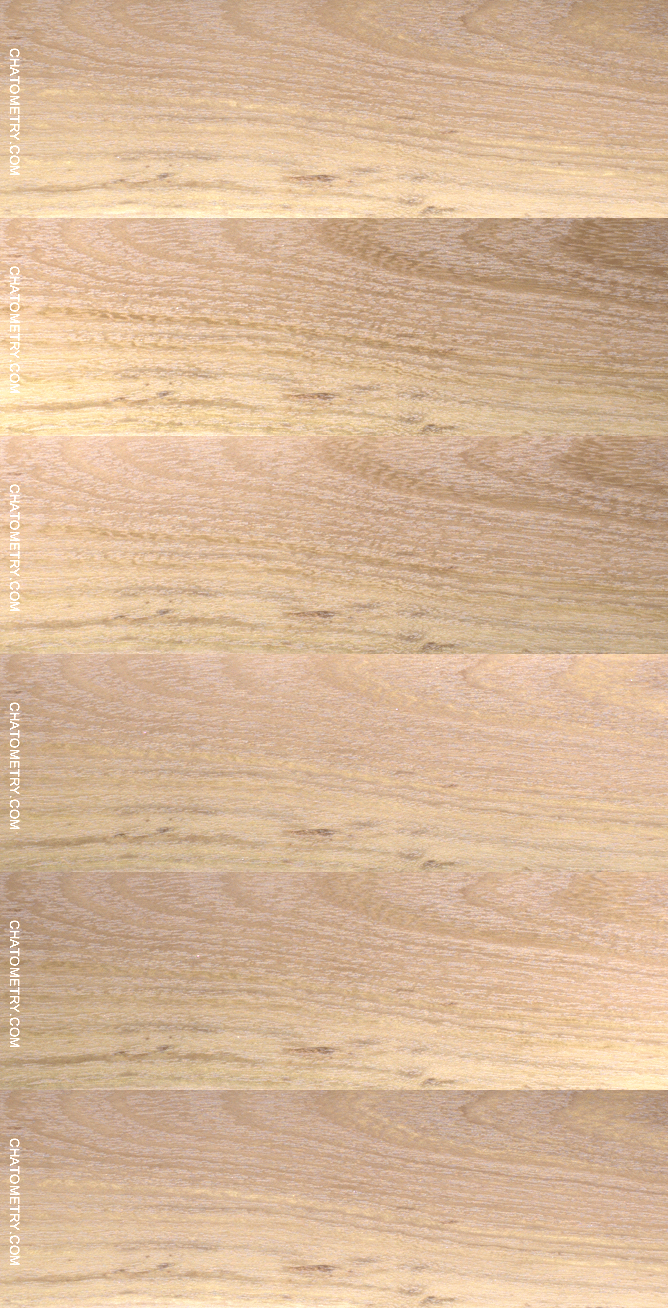
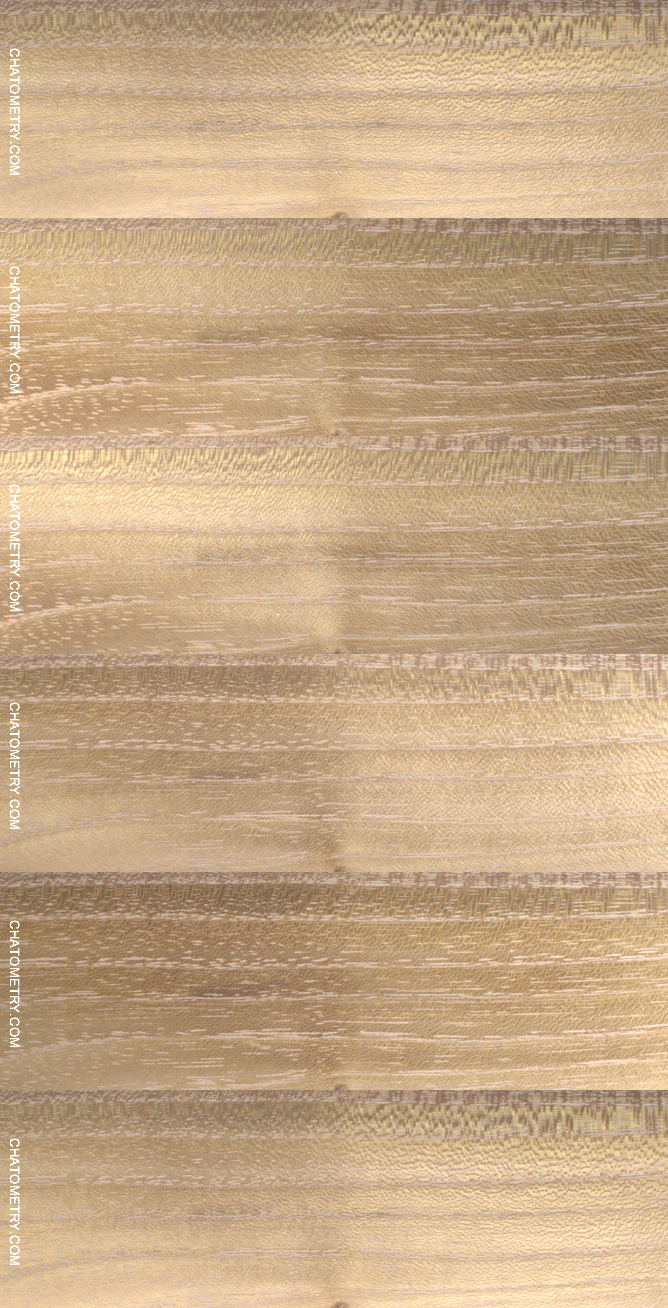
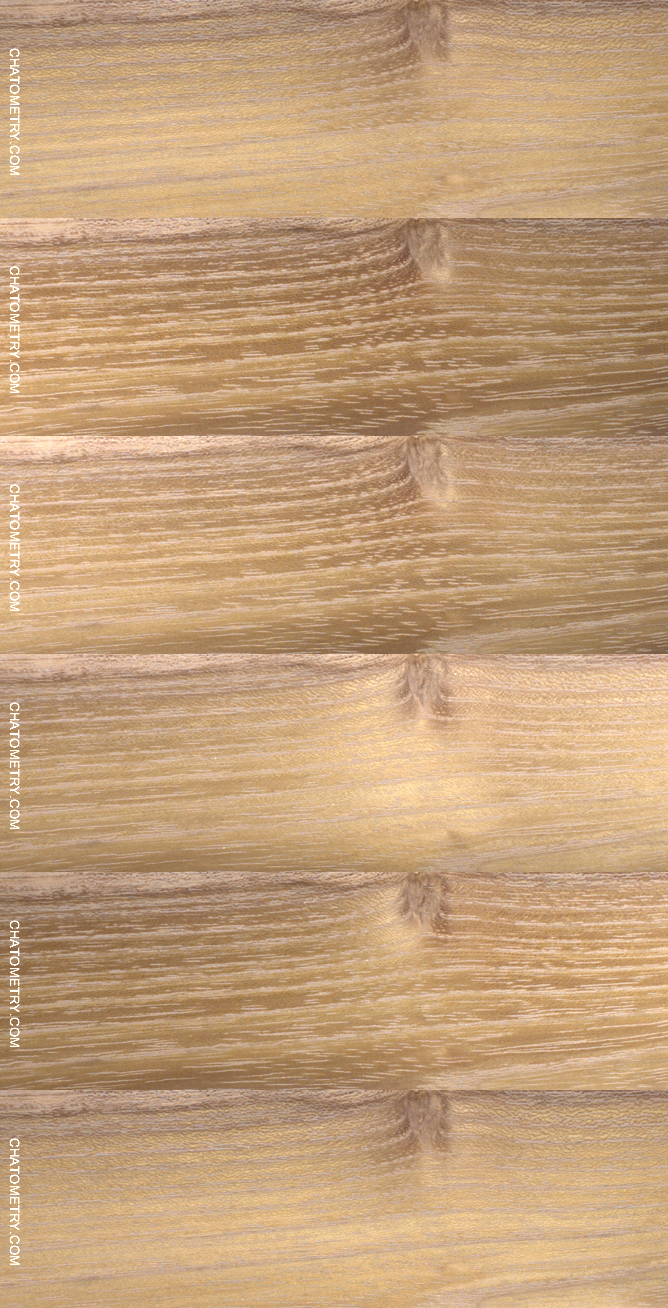
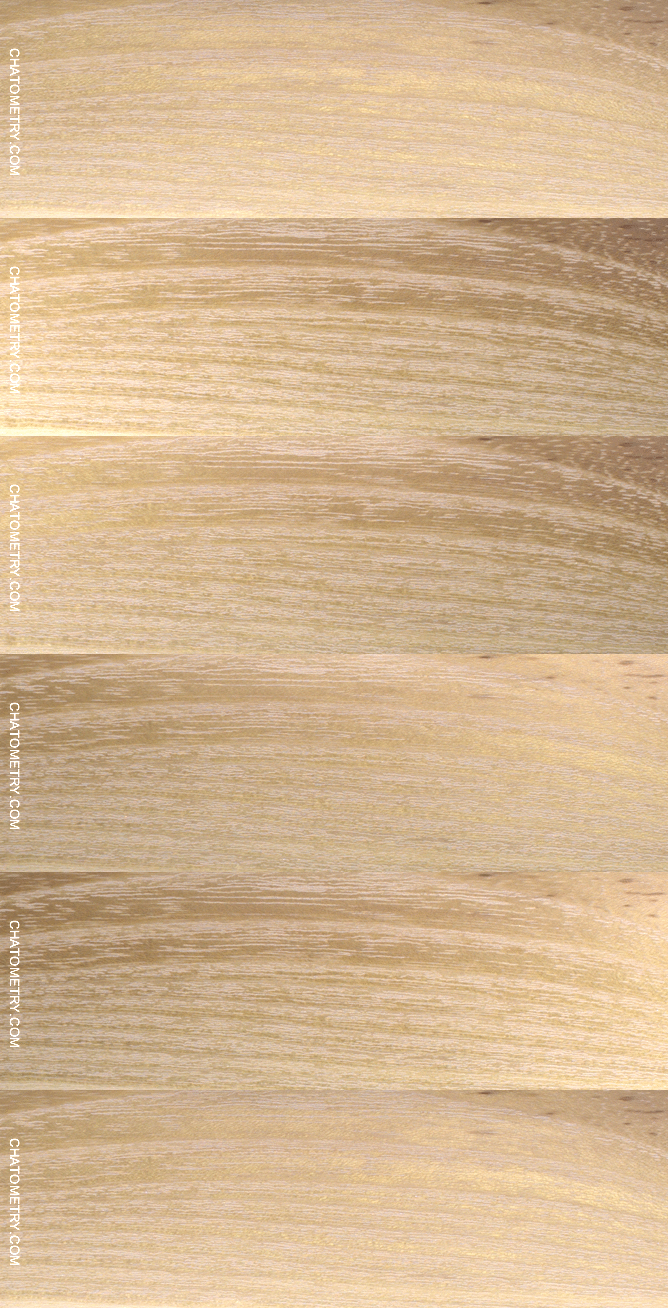
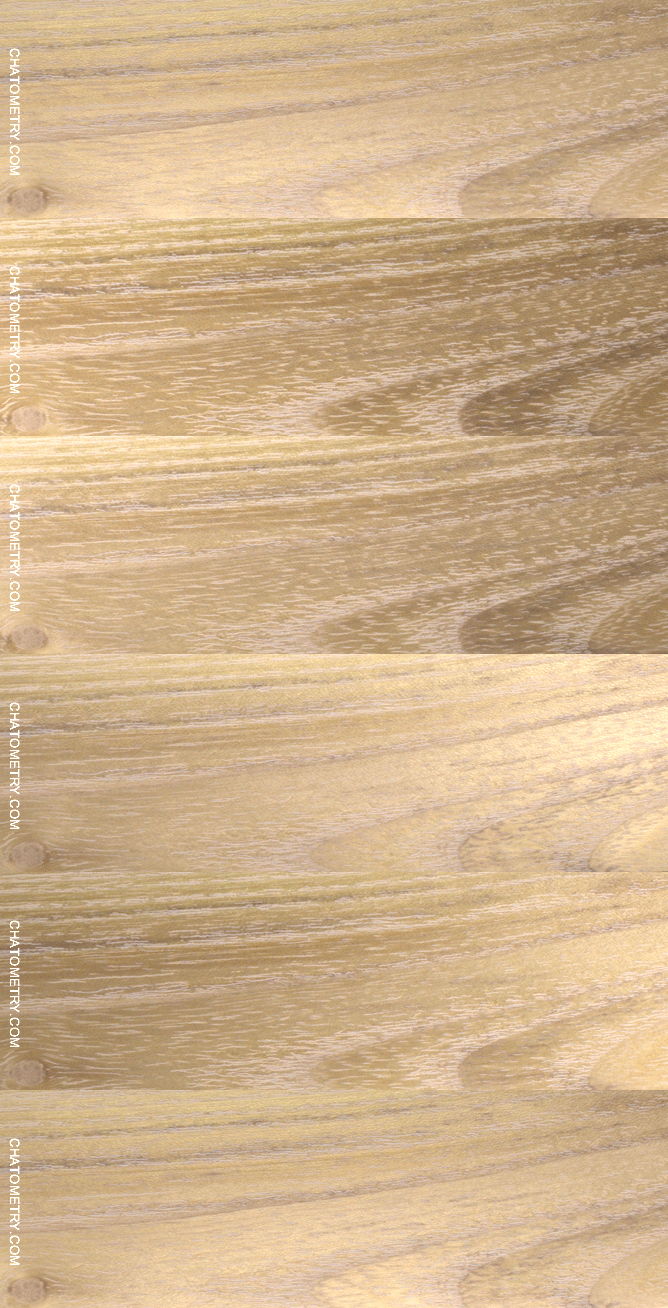
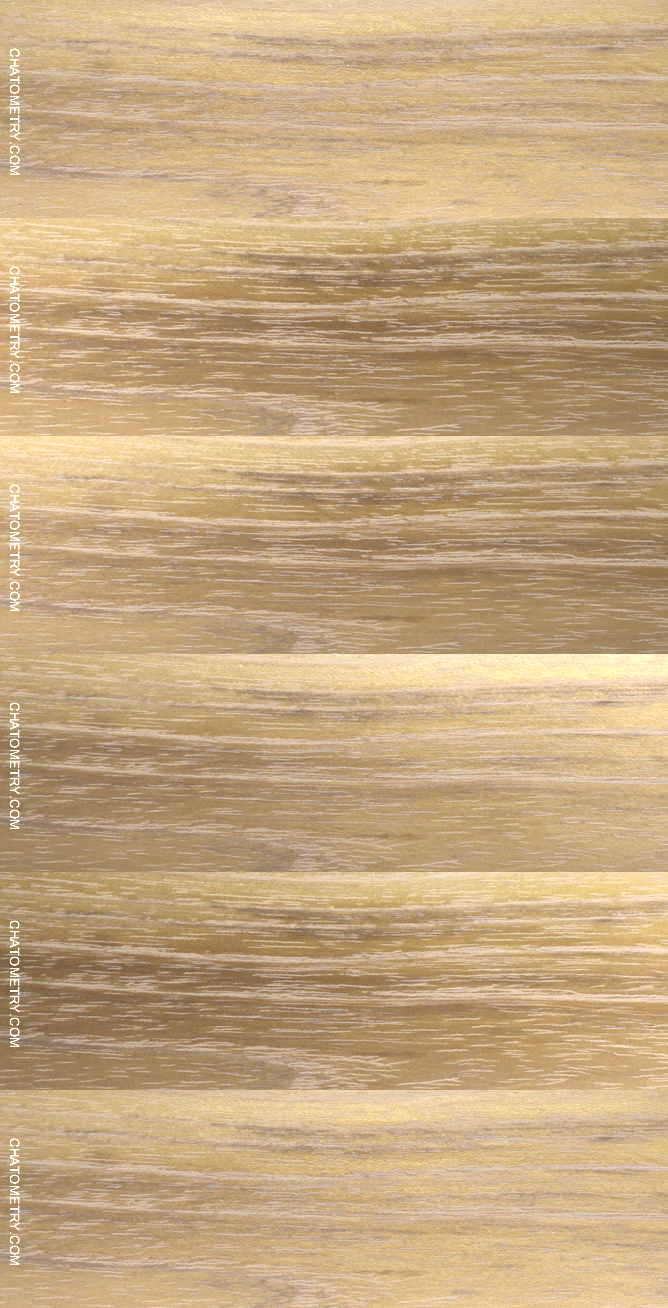
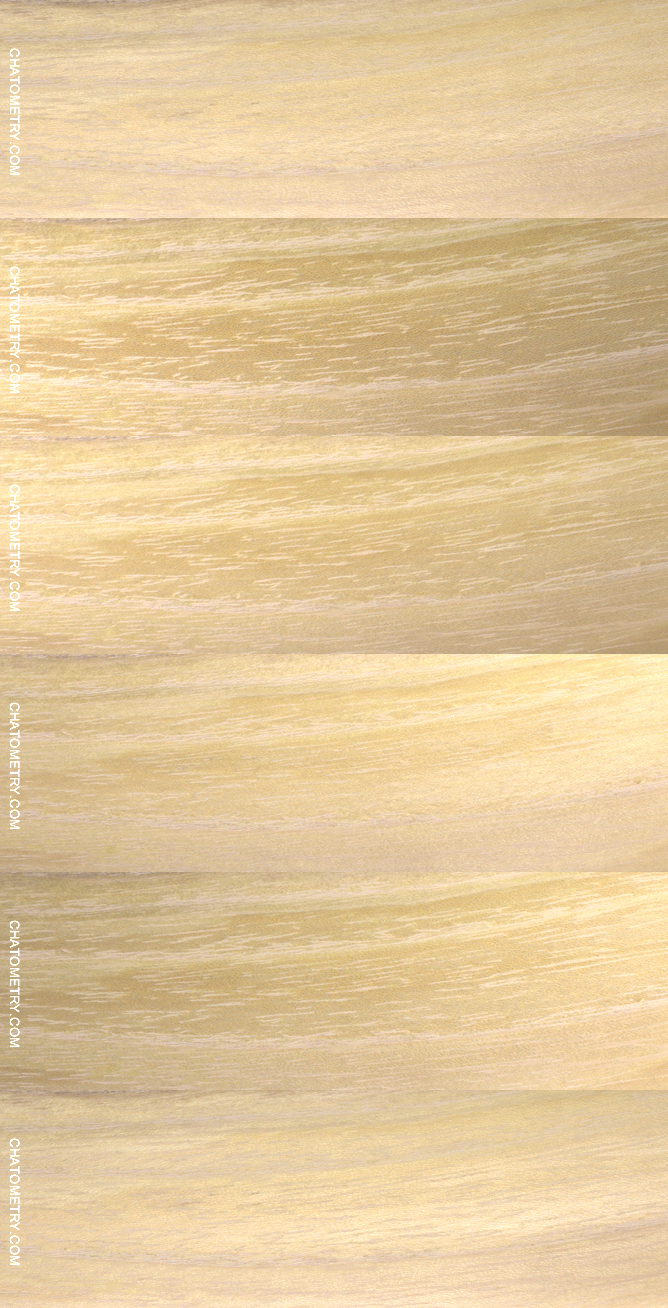
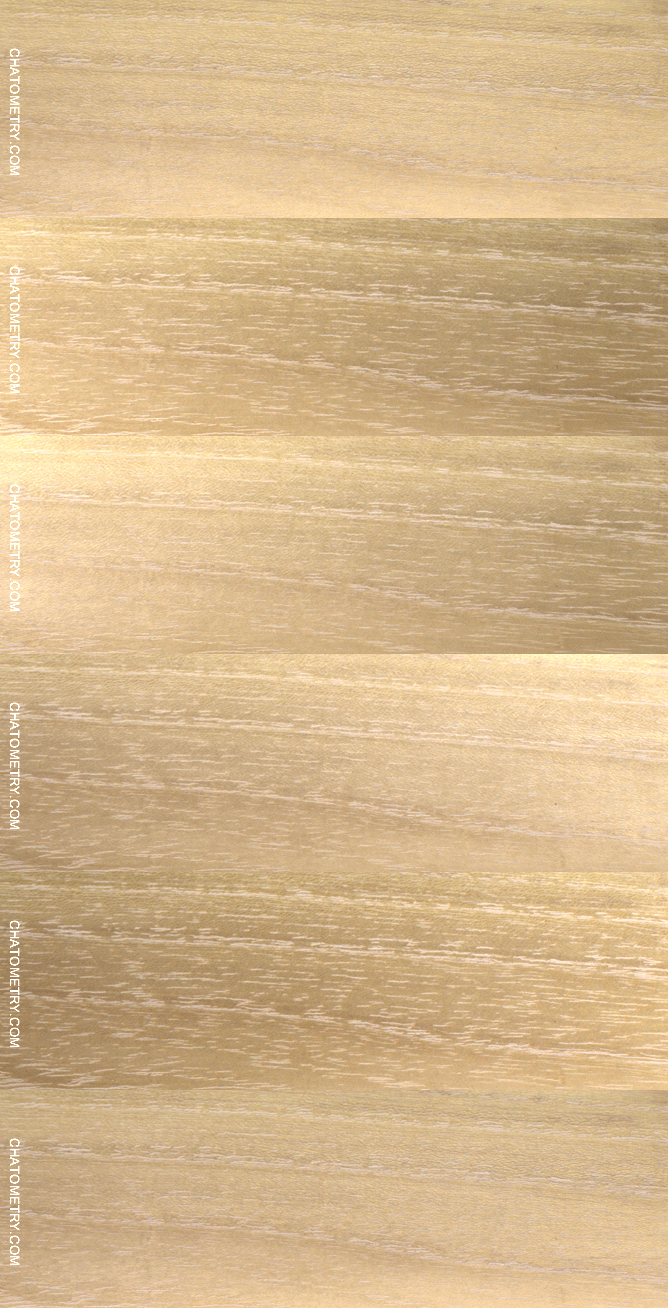
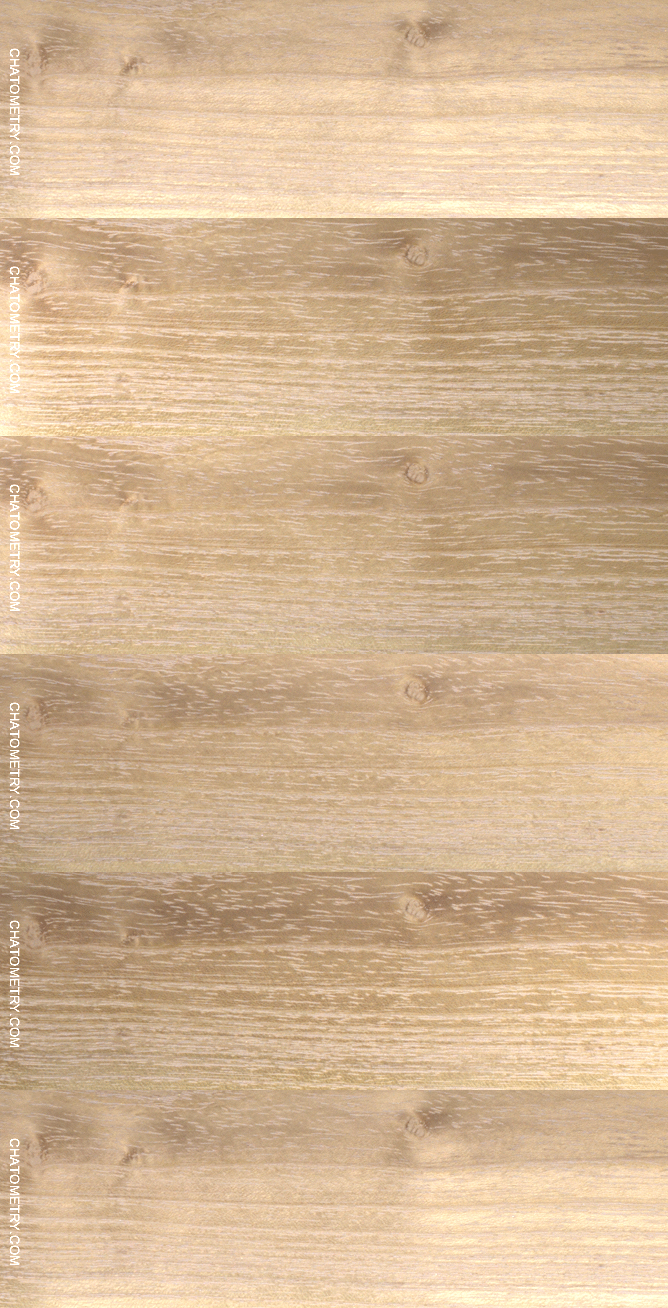
Pictures – each from a different individual tree:










See also
OUT OF THE TABLESAW
ULTRA FINE SANDING
EPOXY RESIN
AMMONIA FUMING
FRESH CUT WOOD
PATCH OF BLACK LOCUST TREES
CHATOYANCE VS FLUORESCENCE
MICROSCOPE PICTURES
SCRAPING
PROGRESSIVE GRIT SANDING PART 2
[Previous] —————— [Next]
Want to know more? Get Woodworker’s Guide to Chatoyance!


… and enjoy the read!