Skip to content

PZC Chatometry

A standard system to measure wood chatoyance

Menu
  • Home
  • What is Chatoyance?
    • Curl
    • Ribbon Stripe
    • Other Figures
    • Flecks
    • Growth Rings
    • Knots
  • The PZC method
    • Scale example 1
    • Scale example 2
    • Scale example 3
    • Scale example 4
  • Woods
    • Summary Table
    • Africa
      • Abura
      • Afrormosia
      • Agba
      • Agba
      • Afzelia
      • Aniegre
      • Avodire
      • Azobe
      • Bilinga
      • Bilinga
      • Bomanga
      • Boire
      • Bubinga
      • Cola
      • Ebiara
      • Ebony, Gaboon
      • Etimoe
      • Faro
      • Faro
      • Framire
      • Guarea
      • Iroko
      • Lati
      • Khaya
      • Kosipo
      • Kotibe
      • Kotibe
      • Koto
      • Limba
      • Limba, Black
      • Makore
      • Mansonia
      • Moabi
      • Movingui
      • Niangon
      • Niove
      • Obeche
      • Ocotea
      • Ocotea
      • Ovangkol
      • Okoume
      • Padouk
      • Purpleheart
      • Ramin
      • Rosewood, African Blackwood
      • Rosewood, African Blackwood
      • Rosewood, Madagascar
      • Sapele
      • Sipo
      • Tali
      • Tiama
      • Wenge
      • Walnut, African
      • Zebrawood
    • Asia
      • Acacia, unspecified
      • Ailanthus
      • Albizia, unspecified
      • Alstonia
      • Artocarpus
      • Ash, Tamo
      • Bintangor
      • Bamboo
      • Camphor
      • Coconut
      • Ebony, Black and White
      • Ebony, Macassar
      • Fig, misc.
      • Kapur
      • Keruing
      • Mango
      • Meranti
      • Merbau
      • Mersawa
      • Narra
      • Paulownia
      • Rosewood, Indian
      • Satinwood
      • Sen
      • Sucupira
      • Teak
    • Europe
      • Alder
      • Apple
      • Ash, European
      • Ash, Olive
      • Beech, European
      • Birch
      • Birch, Karelian Burl
      • Black Locust
      • Bog Oak
      • Cedar, European
      • Cherry, Sweet
      • Chestnut, Horse
      • Chestnut, Sweet
      • Cypress, Mediterranean
      • Elm
      • Fir, European Silver
      • Hawthorn
      • Hazelnut
      • Hornbeam
      • Laburnum
      • Lagerstroemia
      • Larch, European
      • London Plane
      • Lime, European
      • Madrone
      • Maple, European
      • Mulberry
      • Oak, Sessile
      • Olive
      • Olive, Russian
      • Poplar, Yellow
      • Pine, Maritime
      • Pine, Swiss Stone
      • Pine, unspecified
      • Pear
      • Poplar
      • Spruce, Fiemme (Ciresa tonewood)
      • Sumac
      • Walnut, European
      • Yew
    • North America
      • Ash, American White
      • Alder, Red
      • Beech, North American
      • Beech, North American
      • Boxelder
      • Butternut
      • Catalpa
      • Cedar, Eastern Red
      • Cedar, Western Red
      • Cherry, Black
      • Cypress, Bald
      • Cypress, Lawson
      • Desert Ironwood
      • Desert Ironwood
      • Dogwood
      • Fir, Douglas
      • Giant Sequoia
      • Hackberry
      • Hemlock
      • Hickory
      • Holly
      • Honey Locust
      • Juniperus misc.
      • Koa
      • Magnolia
      • Maple, Bigleaf
      • Maple, Bigleaf
      • Maple, Hard
      • Mesquite
      • Mesquite
      • Oak, Red
      • Oak, White
      • Osage Orange
      • Osage Orange, Green
      • Red Gum
      • Pecan
      • Pecan
      • Redwood
      • Sassafras
      • Service Tree
      • Sycamore, American
      • Sycamore, American
      • Walnut, Black
      • Walnut, Claro
      • Walnut, Claro
      • Willow
    • Oceania
      • Agathis
      • Ash, Crow’s
      • Australian Blackwood
      • Black Bean
      • Cedar, Australian Red
      • Eucalyptus, unspecified
      • Ash, Mountain
      • Gum, River Red
      • Oak, Tasmanian
      • Jarrah
      • Maple, Queensland
      • Oak, Northern Silky
      • Oak, Southern Silky
      • Pine, Huon
      • She-Oak, River
      • Spotted Gum
      • Tasmanian Myrtle
      • Walnut, Queensland
    • South and Central America
      • Angelim
      • Araucaria
      • Aspidosperma
      • Bloodwood
      • Bocote
      • Canarywood
      • Carapa
      • Cedar, Spanish
      • Cerejeira
      • Chechen
      • Cumaru
      • Curupixa
      • Freijo
      • Garapa
      • Goncalo Alves
      • Goupie
      • Granadillo
      • Guanacaste
      • Guatambu
      • Imbuia
      • Ipe
      • Jacareuba
      • Jatoba
      • Jequitiba
      • Katalox
      • Leopardwood
      • Lignum Vitae
      • Louro Faia
      • Louro Preto
      • Mahogany, Cuban
      • Mahogany, Honduras
      • Massaranduba
      • Nothofagus
      • Osage Orange, Argentine
      • Pao Rosa
      • Peroba Rosa
      • Piquiarana
      • Podocarpus
      • Primavera
      • Rosewood, Brazilian
      • Rosewood, Cocobolo
      • Rosewood, Honduras
      • Rosewood, Kingwood
      • Rosewood, Santos
      • Tatajuba
      • Timbauba
      • Tineo
      • Tulipwood (Brazilian)
      • Ziricote
  • Case studies
  • Credits
  • Contacts
  • Services
  • Shop
    • Woodworker’s Guide to Chatoyance
    • Woodworker’s Guide to Chatoyance – Compact Edition

Dabema

piptadeniastrum africanum, Fabaceae, Angiospermae (Hardwood)

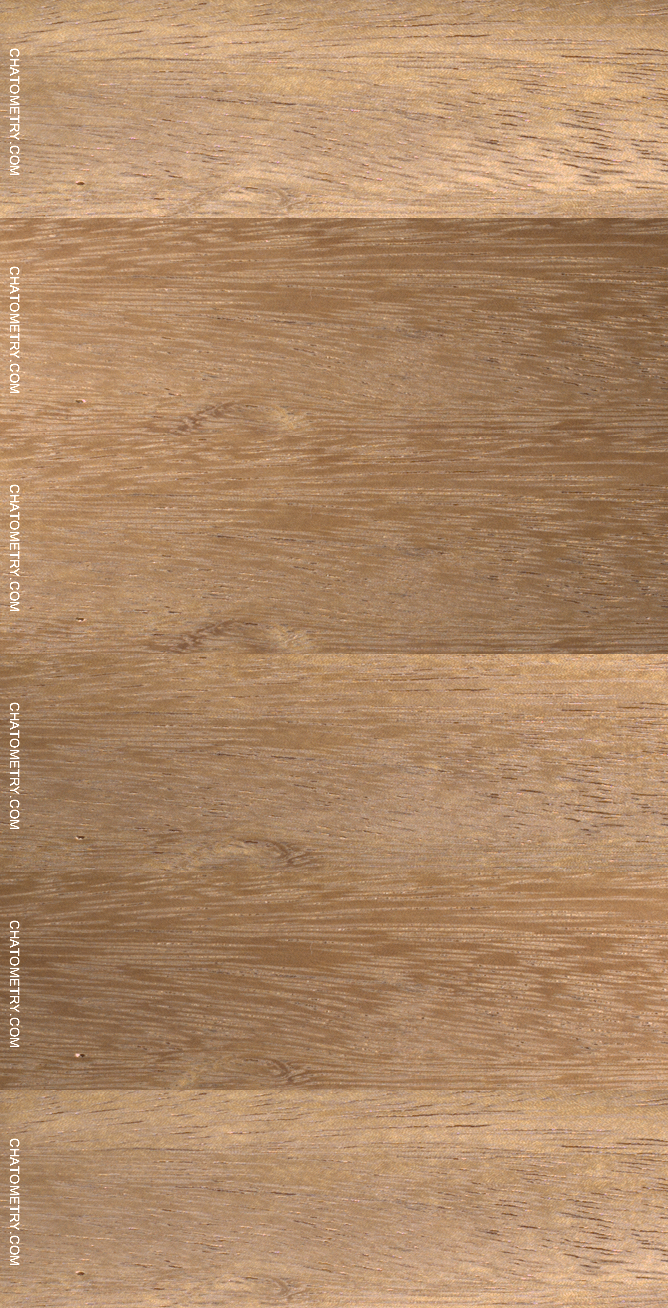
reference picture – see below for more pictures

Other names: N’singa, Glenren, Atui, Dahoma, Toum, Tom, Mbeli, Agboin, Ekhimi, Mpewere, Bukungu, Mokoungou, Bokungu, Likundu, Guli, Mbele, Mbele-guli

Chatoyance was measured by the chatometry.com team using the PZC method. The statistics for this specific timber are hereby summarized to provide an evaluation of data robustness:
Number of sources for samples: 3
Number of individual trees analyzed: 3
Number of specimens: 4
Number of measurements: 18
Max PZC read (of all measurements): 24.6
Min PZC read (of all measurements): 15.9
Max PZC average on one log: 22.8
Min PZC average on one log: 18.8
PZC Average of all logs: 20.4

Species: piptadeniastrum africanum
Family: Fabaceae
Clade: Angiospermae
Description: Piptadeniastrum africanum is a large, fast-growing deciduous tree native to tropical Africa, known for its spreading crown of feathery, bipinnate leaves. It produces small, creamy-white flowers in dense spikes, followed by flat, woody pods.
Other Local Names: N’singa, Glenren, Atui, N’singa, Dahoma, Toum, Dahoma, Tom, Mbeli, Agboin, Ekhimi, Mpewere, Bukungu, Mokoungou, Bokungu, Likundu, Dahoma, Guli, Mbele, Mbele-guli

Reference Colour: Yellow brown
Texture: Coarse
Grain: Interlocked grain
Interlocked Grain: Marked
Notes: Wood light brown to golden brown, sometimes ribbon- like aspect on quartersawn. Ammoniac odour when green or with rewetted woods.

Diameter: 60÷120cm
Density @12% MC: 700kg/m³
Janka Hardness: 1320lbf
Crushing Strength @12%MC: 57MPa
Static Bending Strength @12%MC: 98MPa
Longitudinal Modulus of Elasticity E: 15.19GPa
Volumetric Shrinkage Coefficient: 0.55% per %
Total Tangential Shrinkage TS: 8.5%
Total Radial Shrinkage TS: 3.8%
T/R Anisotropy Ratio: 2.2-
Fibre Saturation Point: 27%
Thermal Conductivity: 0.23W/mk
Lower Heating Value: 19930KJ/Kg
Sapwood Thickness: 5÷15cm
Sapwood Demarcation: Clearly demarcated

Resistance to Decay: Class 3 – moderately durable
Resistance to Dry Wood Borers: Class D – durable (sapwood demarcated, risk limited to sapwood)
Resistance to Termites: Class D – durable
Treatability: Class 2 – moderately treatable
Use Class Covered by Natural Durability: Class 2 – inside or under cover (dampness possible) Atlas of Tropical Timber Species DABÉMA / DAHOMA*
Durability Notes: This species is listed in the NF EN 350 standard. Resistance to decay: moderate to good. Heart not resistant.

Log Buoyancy: Does not float
Log Conservation: Moderate (treatment recommended)
Drying Rate: Normal to slow
Drying Risk of Distortion: High risk
Drying Risk of Case Hardening: Yes
Drying Risk of Checking: High risk

Blunting Effect: Normal
Sawing Tooth: Ordinary or alloy steel
Machining Tool: Ordinary
Suitability for Peeling: Good
Suitability for Slicing: Not recommended or without interest
Sawing Machining Notes: Very irritant sawdust. Quartersawn is recommended in order to reduce the risk of distortion.
Assembly Nailing Screwing: Good
Assembly Notes: Risk of end checks.
Additional Notes: Can be used as a substitute for Oak for some end uses. The unpleasant odour of this, wood when green, or rewetted, must be taken into account based on the type of end use, and the destination
End Uses: Heavy carpentry, Glued Laminated, Stairs (inside), Built-in furniture or mobile item, Veneer for back or face of plywood, House framing, Vehicle or container flooring, Industrial or heavy flooring, Veneer for interior of plywood, Exterior panelling

Source 1: Tropical Timber Atlas, Editions Quae, e-ISBN 978-2-7592-2770-9

Pictures – each from a different individual tree:

Log 1 (from [Source 9]) – PZC = 22.9
Log 2 (from [Source 42]) – PZC = 22.7
Log 3 (from Joey Montagut) – PZC = 19.0

[Previous] —————— [Next]

Want to know more? Get Woodworker’s Guide to Chatoyance!

… and enjoy the read!

Lascia un commento Annulla risposta

Il tuo indirizzo email non sarà pubblicato. I campi obbligatori sono contrassegnati *

PZC Chatometry 2026 . Powered by WordPress