Skip to content

PZC Chatometry

A standard system to measure wood chatoyance

Menu
  • Home
  • What is Chatoyance?
    • Curl
    • Ribbon Stripe
    • Other Figures
    • Flecks
    • Growth Rings
    • Knots
  • The PZC method
    • Scale example 1
    • Scale example 2
    • Scale example 3
    • Scale example 4
  • Woods
    • Summary Table
    • Africa
      • Abura
      • Afrormosia
      • Agba
      • Agba
      • Afzelia
      • Aniegre
      • Avodire
      • Azobe
      • Bilinga
      • Bilinga
      • Bomanga
      • Boire
      • Bubinga
      • Cola
      • Ebiara
      • Ebony, Gaboon
      • Etimoe
      • Faro
      • Faro
      • Framire
      • Guarea
      • Iroko
      • Lati
      • Khaya
      • Kosipo
      • Kotibe
      • Kotibe
      • Koto
      • Limba
      • Limba, Black
      • Makore
      • Mansonia
      • Moabi
      • Movingui
      • Niangon
      • Niove
      • Obeche
      • Ocotea
      • Ocotea
      • Ovangkol
      • Okoume
      • Padouk
      • Purpleheart
      • Ramin
      • Rosewood, African Blackwood
      • Rosewood, African Blackwood
      • Rosewood, Madagascar
      • Sapele
      • Sipo
      • Tali
      • Tiama
      • Wenge
      • Walnut, African
      • Zebrawood
    • Asia
      • Acacia, unspecified
      • Ailanthus
      • Albizia, unspecified
      • Alstonia
      • Artocarpus
      • Ash, Tamo
      • Bintangor
      • Bamboo
      • Camphor
      • Coconut
      • Ebony, Black and White
      • Ebony, Macassar
      • Fig, misc.
      • Kapur
      • Keruing
      • Mango
      • Meranti
      • Merbau
      • Mersawa
      • Narra
      • Paulownia
      • Rosewood, Indian
      • Satinwood
      • Sen
      • Sucupira
      • Teak
    • Europe
      • Alder
      • Apple
      • Ash, European
      • Ash, Olive
      • Beech, European
      • Birch
      • Birch, Karelian Burl
      • Black Locust
      • Bog Oak
      • Cedar, European
      • Cherry, Sweet
      • Chestnut, Horse
      • Chestnut, Sweet
      • Cypress, Mediterranean
      • Elm
      • Fir, European Silver
      • Hawthorn
      • Hazelnut
      • Hornbeam
      • Laburnum
      • Lagerstroemia
      • Larch, European
      • London Plane
      • Lime, European
      • Madrone
      • Maple, European
      • Mulberry
      • Oak, Sessile
      • Olive
      • Olive, Russian
      • Poplar, Yellow
      • Pine, Maritime
      • Pine, Swiss Stone
      • Pine, unspecified
      • Pear
      • Poplar
      • Spruce, Fiemme (Ciresa tonewood)
      • Sumac
      • Walnut, European
      • Yew
    • North America
      • Ash, American White
      • Alder, Red
      • Beech, North American
      • Beech, North American
      • Boxelder
      • Butternut
      • Catalpa
      • Cedar, Eastern Red
      • Cedar, Western Red
      • Cherry, Black
      • Cypress, Bald
      • Cypress, Lawson
      • Desert Ironwood
      • Desert Ironwood
      • Dogwood
      • Fir, Douglas
      • Giant Sequoia
      • Hackberry
      • Hemlock
      • Hickory
      • Holly
      • Honey Locust
      • Juniperus misc.
      • Koa
      • Magnolia
      • Maple, Bigleaf
      • Maple, Bigleaf
      • Maple, Hard
      • Mesquite
      • Mesquite
      • Oak, Red
      • Oak, White
      • Osage Orange
      • Osage Orange, Green
      • Red Gum
      • Pecan
      • Pecan
      • Redwood
      • Sassafras
      • Service Tree
      • Sycamore, American
      • Sycamore, American
      • Walnut, Black
      • Walnut, Claro
      • Walnut, Claro
      • Willow
    • Oceania
      • Agathis
      • Ash, Crow’s
      • Australian Blackwood
      • Black Bean
      • Cedar, Australian Red
      • Eucalyptus, unspecified
      • Ash, Mountain
      • Gum, River Red
      • Oak, Tasmanian
      • Jarrah
      • Maple, Queensland
      • Oak, Northern Silky
      • Oak, Southern Silky
      • Pine, Huon
      • She-Oak, River
      • Spotted Gum
      • Tasmanian Myrtle
      • Walnut, Queensland
    • South and Central America
      • Angelim
      • Araucaria
      • Aspidosperma
      • Bloodwood
      • Bocote
      • Canarywood
      • Carapa
      • Cedar, Spanish
      • Cerejeira
      • Chechen
      • Cumaru
      • Curupixa
      • Freijo
      • Garapa
      • Goncalo Alves
      • Goupie
      • Granadillo
      • Guanacaste
      • Guatambu
      • Imbuia
      • Ipe
      • Jacareuba
      • Jatoba
      • Jequitiba
      • Katalox
      • Leopardwood
      • Lignum Vitae
      • Louro Faia
      • Louro Preto
      • Mahogany, Cuban
      • Mahogany, Honduras
      • Massaranduba
      • Nothofagus
      • Osage Orange, Argentine
      • Pao Rosa
      • Peroba Rosa
      • Piquiarana
      • Podocarpus
      • Primavera
      • Rosewood, Brazilian
      • Rosewood, Cocobolo
      • Rosewood, Honduras
      • Rosewood, Kingwood
      • Rosewood, Santos
      • Tatajuba
      • Timbauba
      • Tineo
      • Tulipwood (Brazilian)
      • Ziricote
  • Case studies
  • Credits
  • Contacts
  • Services
  • Shop
    • Woodworker’s Guide to Chatoyance
    • Woodworker’s Guide to Chatoyance – Compact Edition

Finishing Iroko

What is the best finish for Iroko wood? Find it out on this page, a great woodworking resource showing tests for many different finishes.

A set of 13 samples (from “A” to “M”) were obtained from 5 consecutive and uniform veneer sheets; these all start from very similar PZC values. All samples were sanded to 240-grit.

A special thanks goes to company Seralvo for providing the veneer samples and Veleca for supporting us with finish samples.

We tested these finishes:
Sample A: Veleca Palkerol (water based anionic polyurethane – floor finish)
Sample B: Veleca Pinteco (acrylic emulsion – outdoor finish)
Sample C: Veleca Mobil H (water based acrylic – furniture finish)
Sample D: Veleca Nitrolux (thinner based ketone resin – classic furniture finish)
Sample E: Veleca Tampoval (blonde dewaxed shellac – antique furniture finish)
Sample F: Veleca Olio per Teak (Tung oil based – exotic wood finish)
Sample G: Boiled Linseed Oil (BLO)
Sample H: Furniture restoring oil
Sample I: Nitrocellulose spray lacquer (NCL)
Sample J: Acrylic spray lacquer
Sample K: Blonde Dewaxed Shellac “Medium” (2 parts in 13 parts of Alcohol)
Sample L: Transparent epoxy resin
Sample M: A more complex sequence: sanding to #800, then pore filling with epoxy, then sanding to #10’000, then Veleca Nitrolux
Sample N: Rubio Monocoat

It was concluded that:
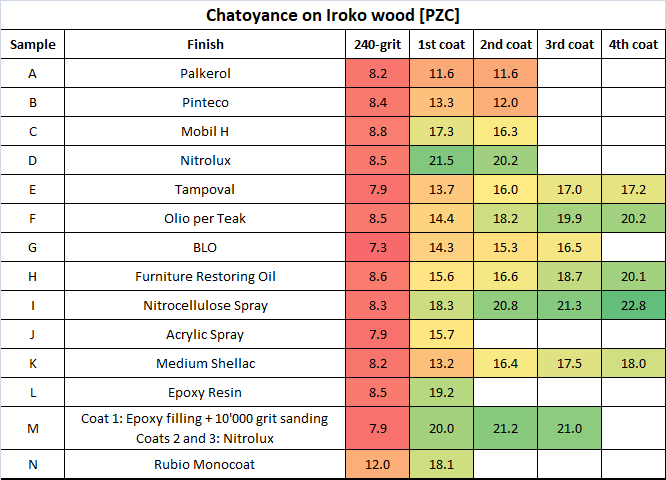
1) Even if Iroko is generally a high-chatoyance wood, the results achieved here are quite low
2) chatoyance is significantly increased only by some of these clear coats
2) Nitrolux, Teak il, Furniture restoring oil and Nitrocellulose lacquer provide the best results
3) Nitrocellulse lacquer even exceeds the results achieved with the complex procedure applied onto sample M
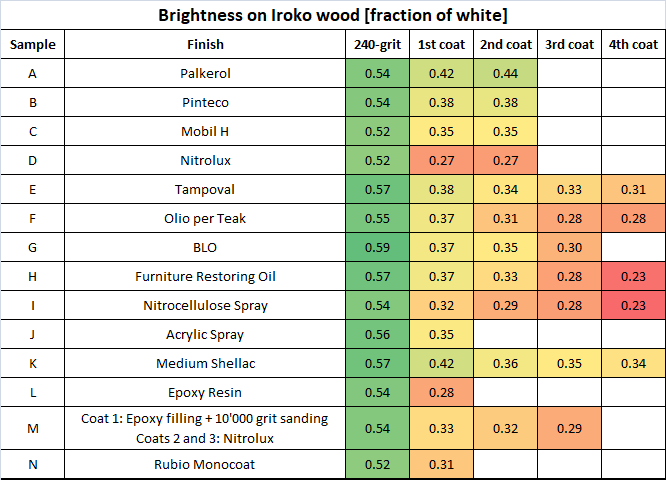
4) Some of these “clear” finishes significantly darken the surface

Tables below summarize the results in terms of chatoyance (PZC):
Tables below summarize the results in terms of brightness (fraction of white paper brightness):
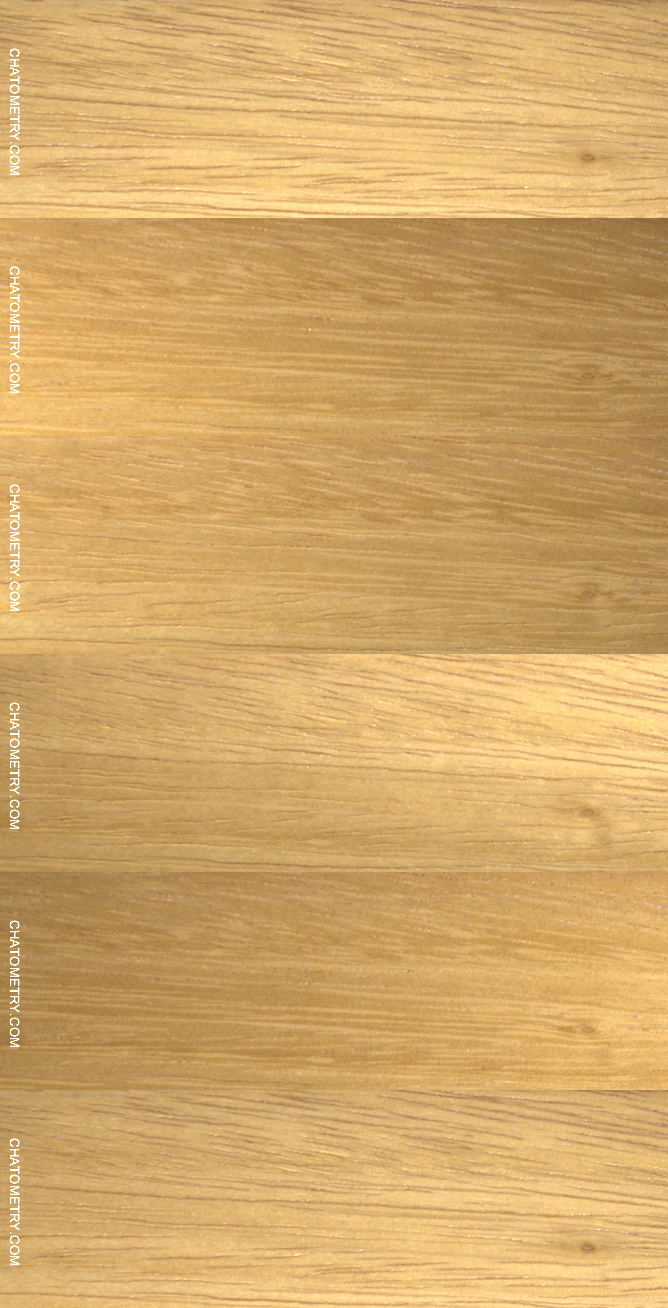
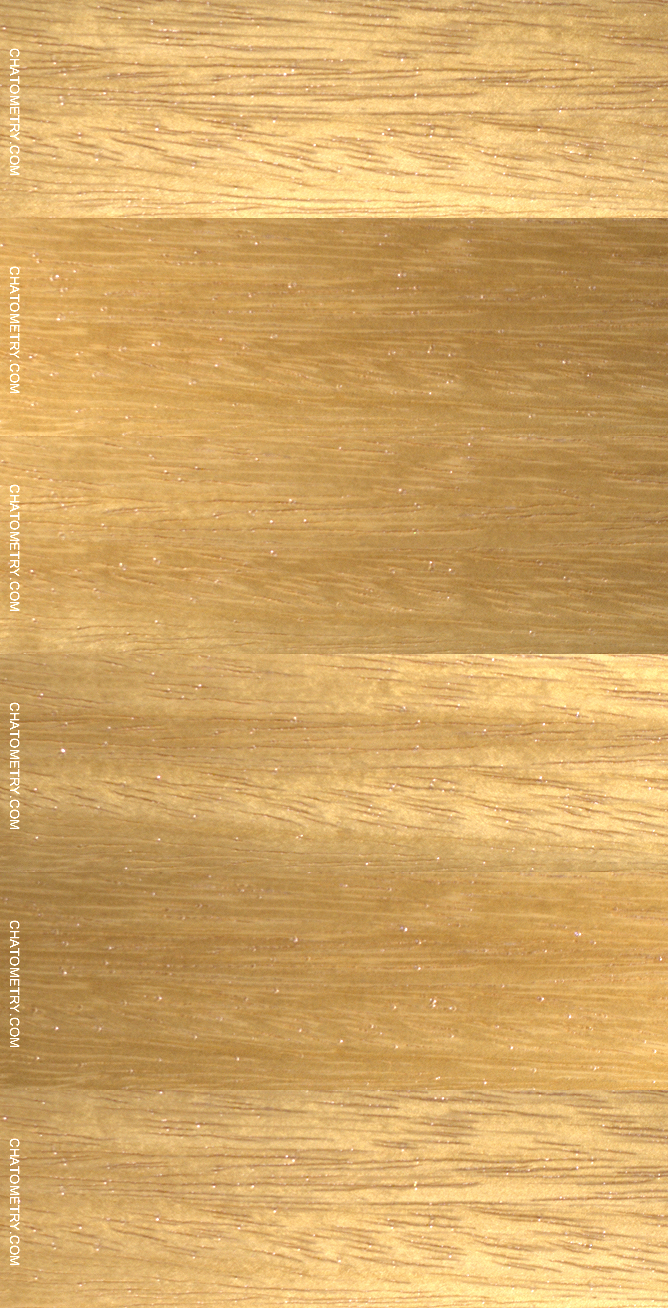
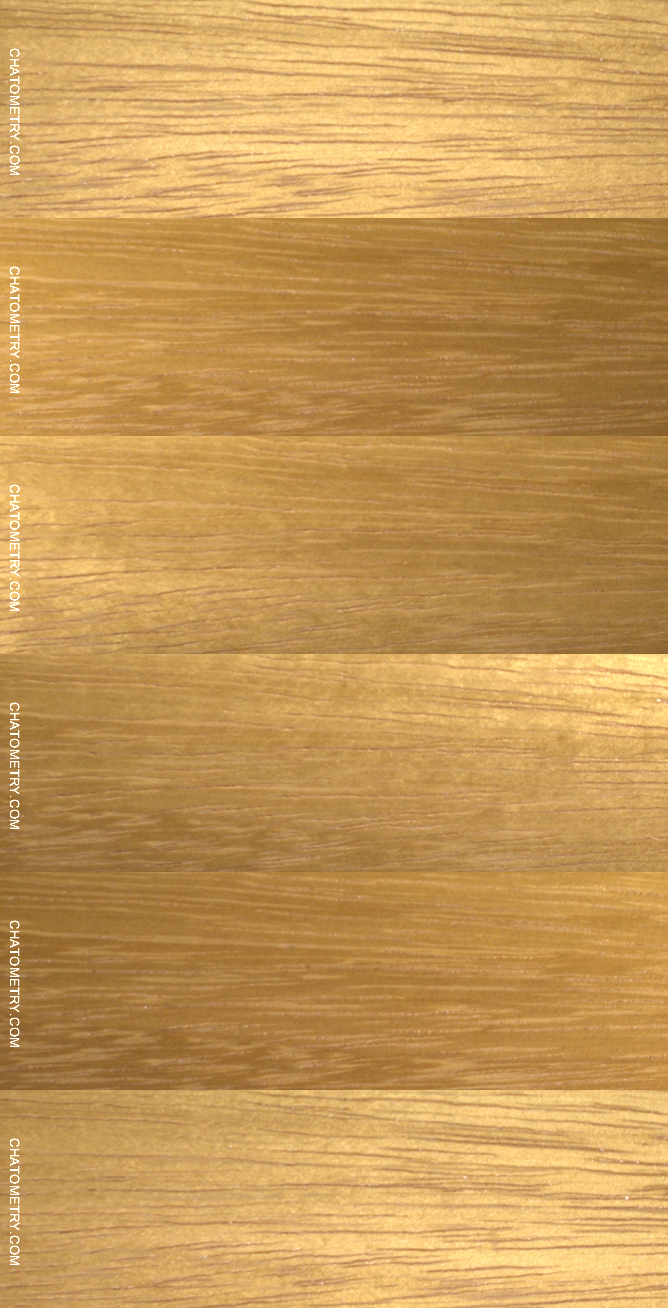
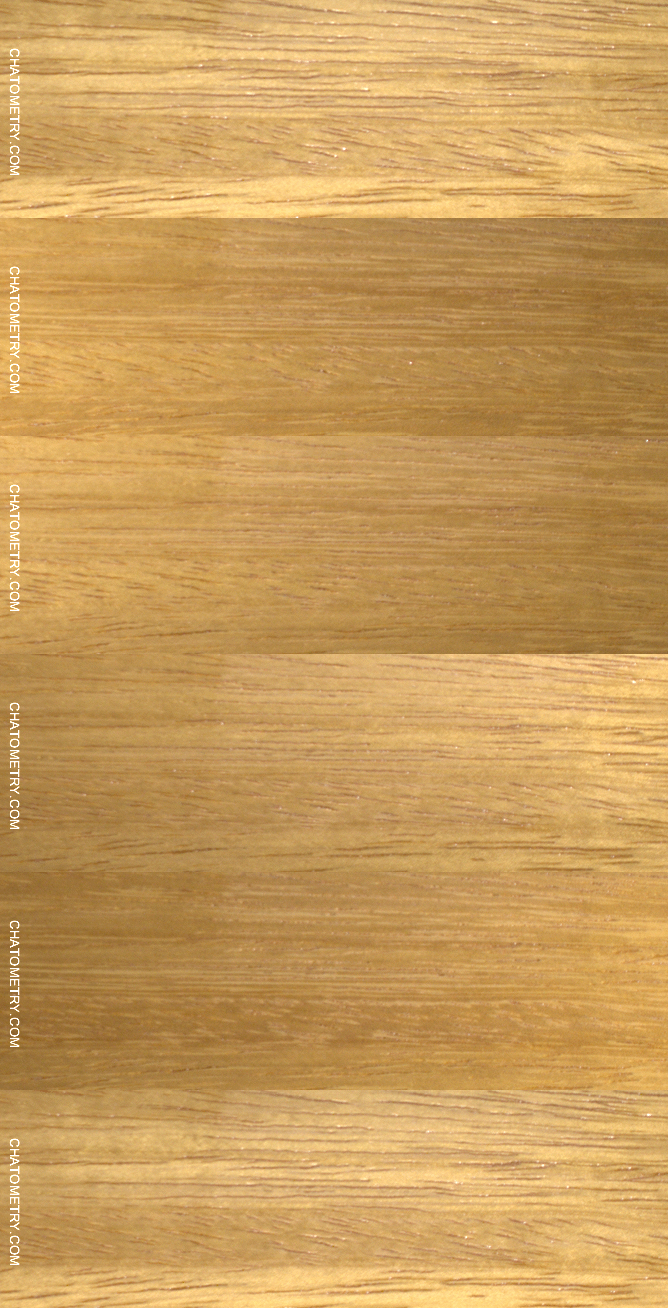
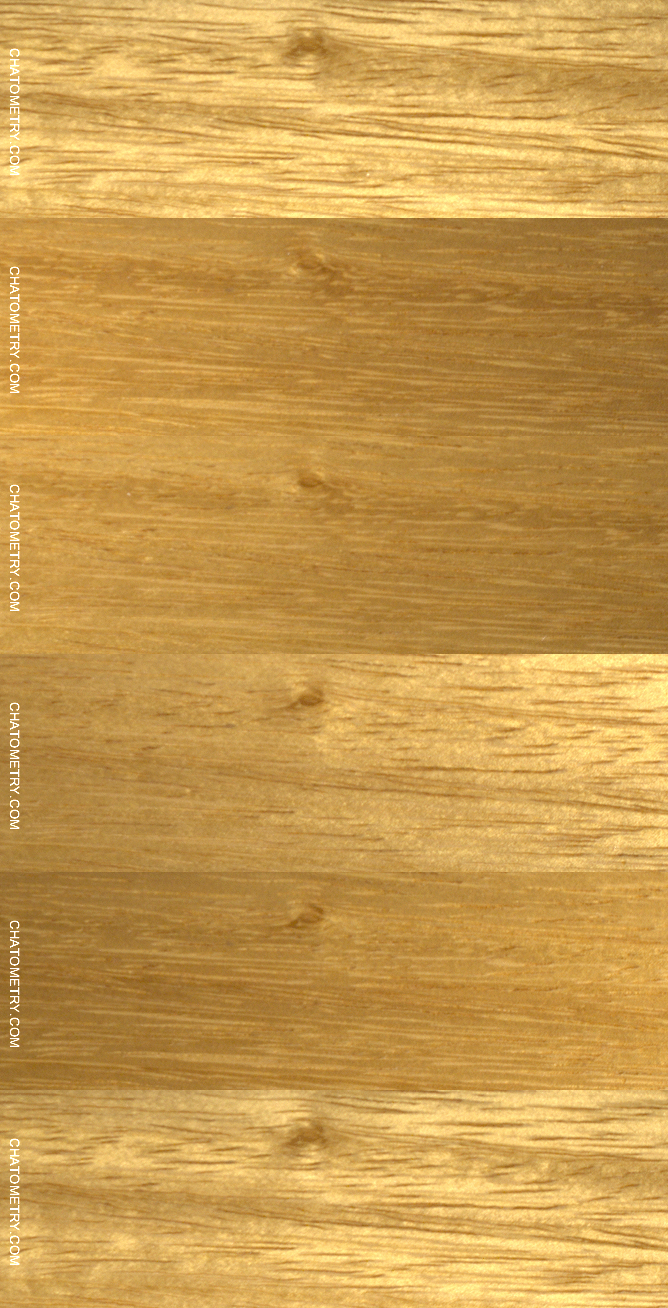
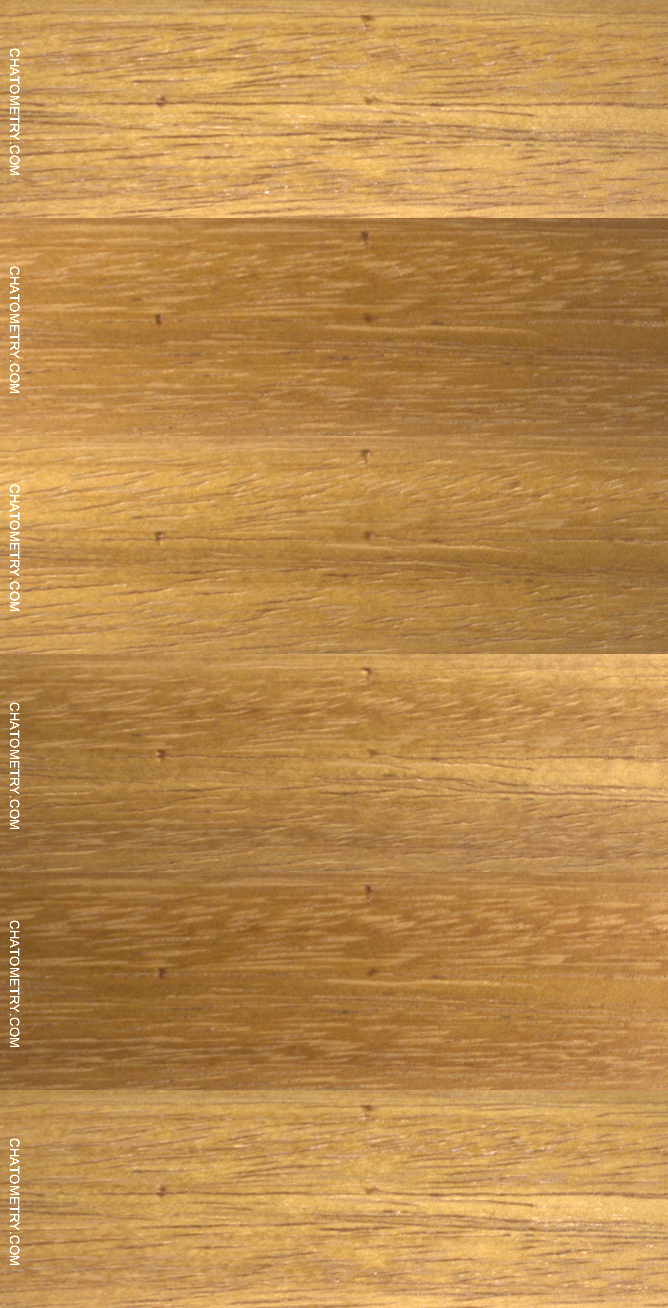
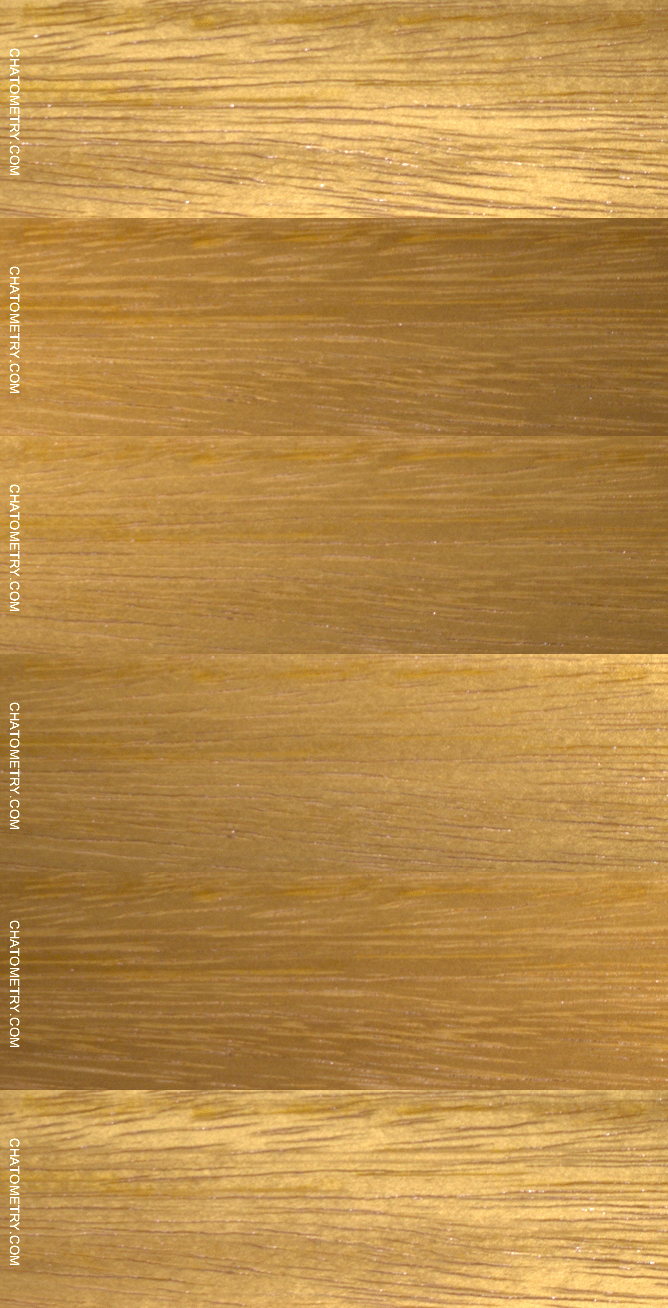
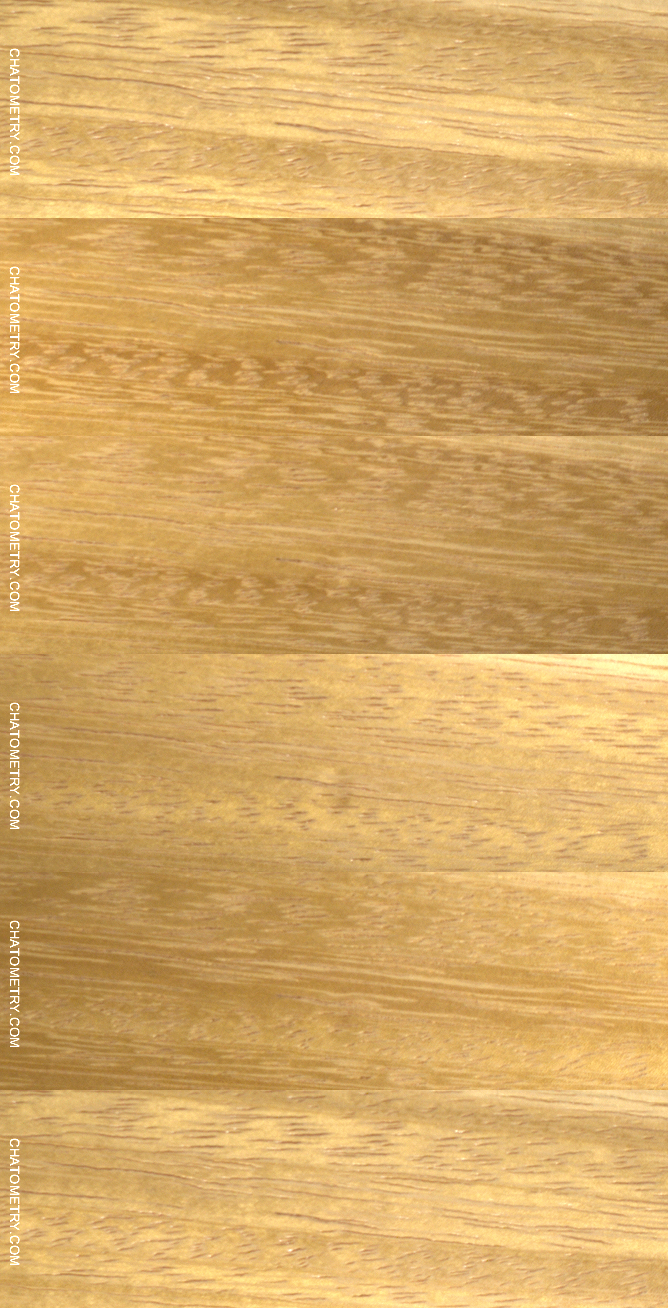
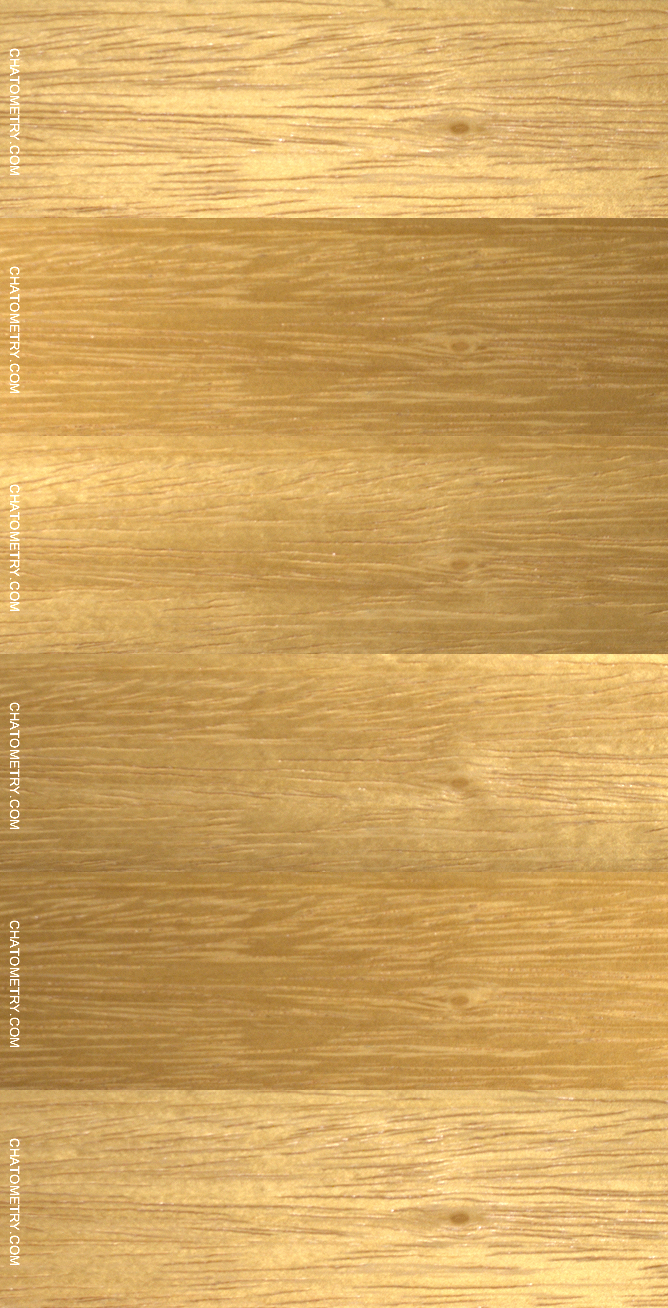
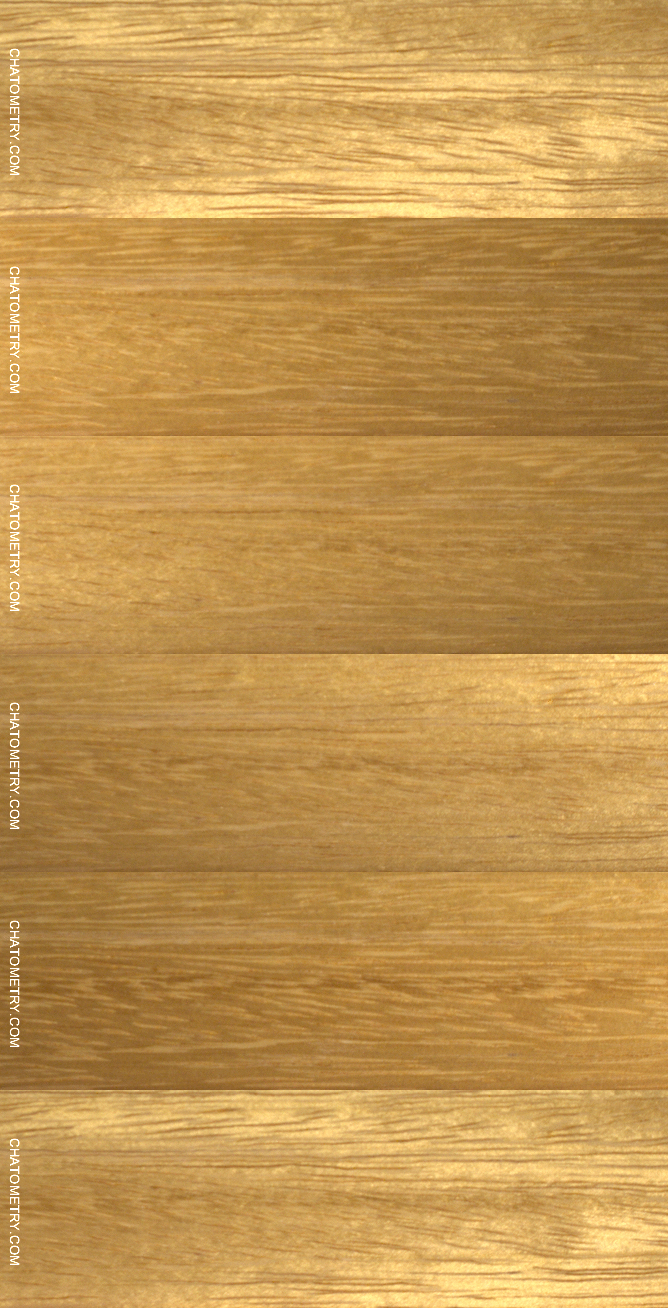
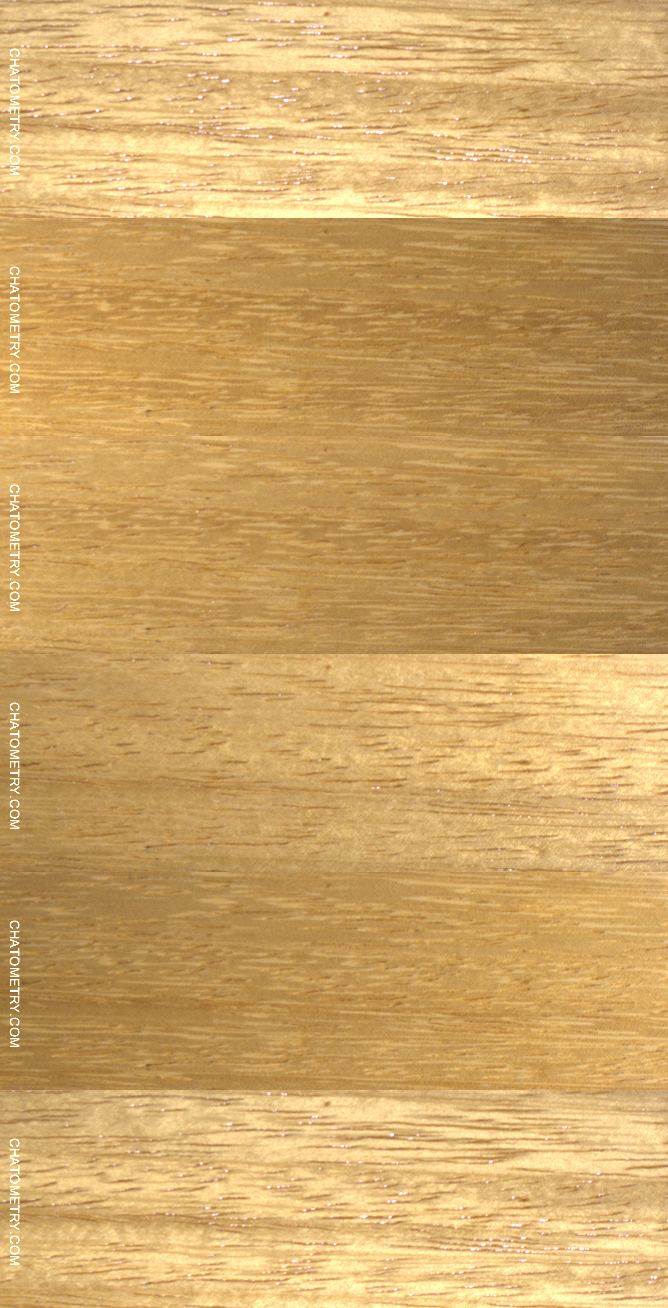
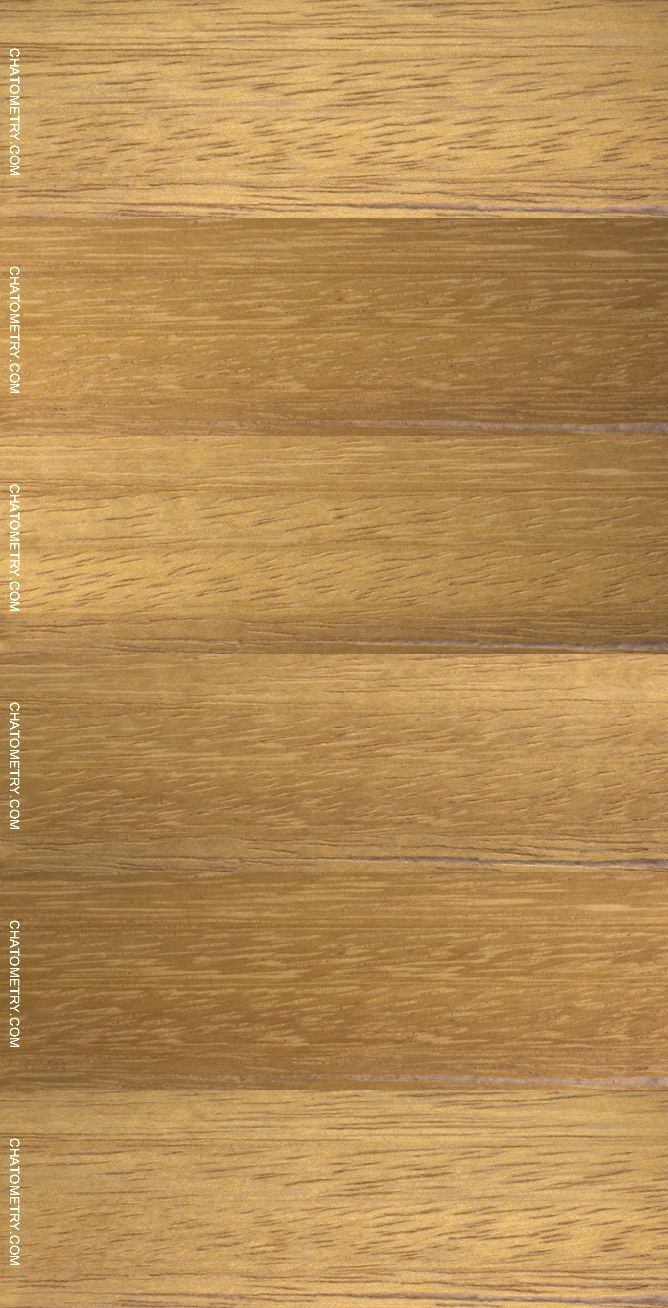
Pictures below show the results:
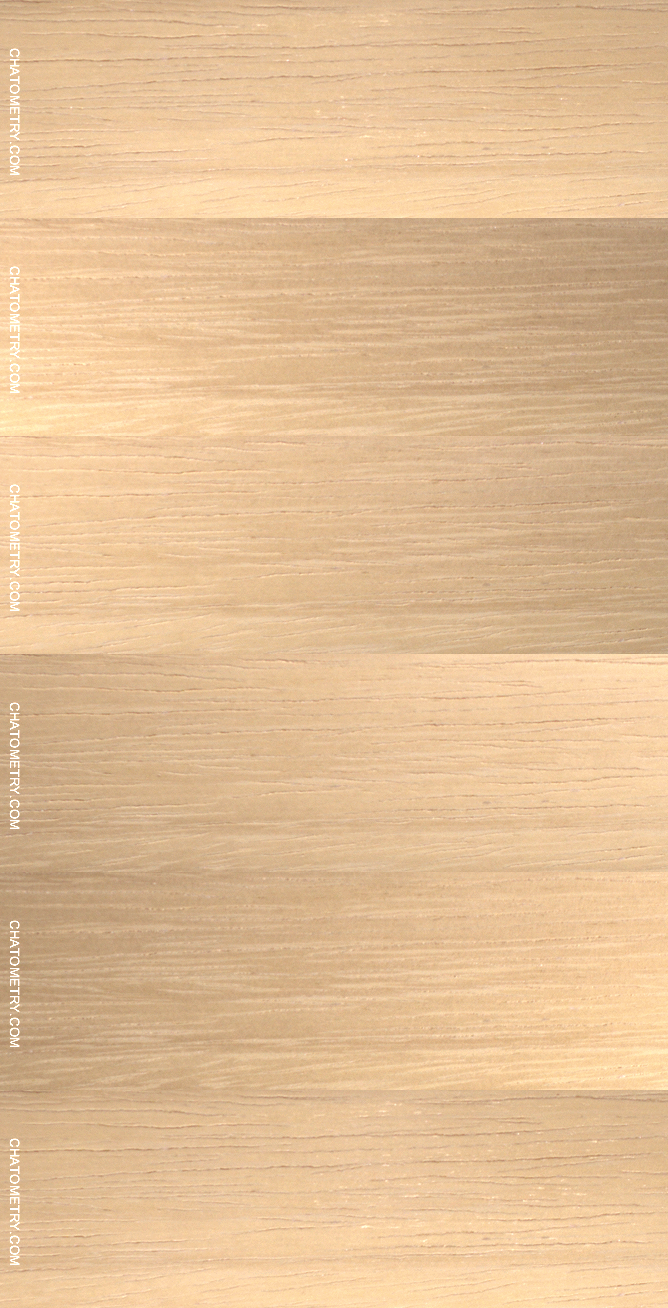
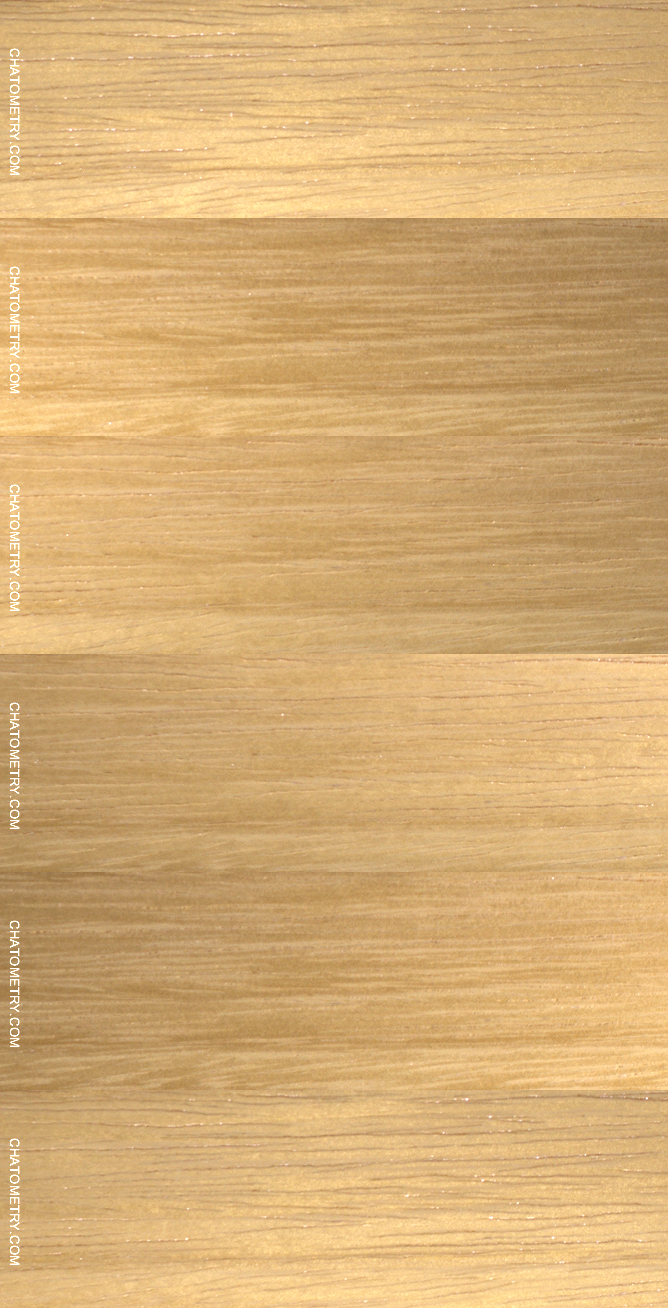
Sanding to 240-grit – no finish (sample A – PZC = 8.2)
Sanding to 240-grit + 1 Palkerol coat (sample A – PZC = 11.6)
Sanding to 240-grit + 1 Pinteco coat (sample B – PZC = 13.3)
Sanding to 240-grit + 1 Mobil H coat (sample C – PZC = 17.3)
Sanding to 240-grit + 1 Nitrolux coat (sample D – PZC = 21.5)
Sanding to 240-grit + 4 Tampoval coats (sample E – PZC = 17.2)
Sanding to 240-grit + 4 Teak Oil coats (sample F – PZC = 20.2)
Sanding to 240-grit + 4 BLO coats (sample G – PZC = 16.5)
Sanding to 240-grit + 4 Furniture Restoring Oil coats (sample H – PZC = 20.1)
Sanding to 240-grit + 4 Nitrocellulose coats (sample I – PZC = 22.8)
Sanding to 240-grit + 1 Acrylic spray coats (sample J – PZC = 15.7)
Sanding to 240-grit + 4 Medium Shellac coats (sample K – PZC = 18.0)
Sanding to 240-grit + 1 Epoxy coat (sample L – PZC = 19.2)
Sanding to 800-grit + Epoxy pre filling + sanding to 10’000 grit +1 Nitrolux Coat (sample M – PZC = 21.2)
Sanding to 240-grit + 1 Rubio Monocoat coat (sample N – PZC = 18.1)

Want to know more? Get Woodworker’s Guide to Chatoyance!
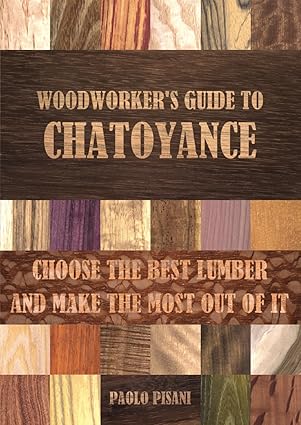
Available on Amazon in 12 countries – just click on your flag below…

… and enjoy the read!

Lascia un commento Annulla risposta

Il tuo indirizzo email non sarà pubblicato. I campi obbligatori sono contrassegnati *

PZC Chatometry 2026 . Powered by WordPress