Skip to content

PZC Chatometry

A standard system to measure wood chatoyance

Menu
  • Home
  • What is Chatoyance?
    • Curl
    • Ribbon Stripe
    • Other Figures
    • Flecks
    • Growth Rings
    • Knots
  • The PZC method
    • Scale example 1
    • Scale example 2
    • Scale example 3
    • Scale example 4
  • Woods
    • Summary Table
    • Africa
      • Abura
      • Afrormosia
      • Agba
      • Agba
      • Afzelia
      • Aniegre
      • Avodire
      • Azobe
      • Bilinga
      • Bilinga
      • Bomanga
      • Boire
      • Bubinga
      • Cola
      • Ebiara
      • Ebony, Gaboon
      • Etimoe
      • Faro
      • Faro
      • Framire
      • Guarea
      • Iroko
      • Lati
      • Khaya
      • Kosipo
      • Kotibe
      • Kotibe
      • Koto
      • Limba
      • Limba, Black
      • Makore
      • Mansonia
      • Moabi
      • Movingui
      • Niangon
      • Niove
      • Obeche
      • Ocotea
      • Ocotea
      • Ovangkol
      • Okoume
      • Padouk
      • Purpleheart
      • Ramin
      • Rosewood, African Blackwood
      • Rosewood, African Blackwood
      • Rosewood, Madagascar
      • Sapele
      • Sipo
      • Tali
      • Tiama
      • Wenge
      • Walnut, African
      • Zebrawood
    • Asia
      • Acacia, unspecified
      • Ailanthus
      • Albizia, unspecified
      • Alstonia
      • Artocarpus
      • Ash, Tamo
      • Bintangor
      • Bamboo
      • Camphor
      • Coconut
      • Ebony, Black and White
      • Ebony, Macassar
      • Fig, misc.
      • Kapur
      • Keruing
      • Mango
      • Meranti
      • Merbau
      • Mersawa
      • Narra
      • Paulownia
      • Rosewood, Indian
      • Satinwood
      • Sen
      • Sucupira
      • Teak
    • Europe
      • Alder
      • Apple
      • Ash, European
      • Ash, Olive
      • Beech, European
      • Birch
      • Birch, Karelian Burl
      • Black Locust
      • Bog Oak
      • Cedar, European
      • Cherry, Sweet
      • Chestnut, Horse
      • Chestnut, Sweet
      • Cypress, Mediterranean
      • Elm
      • Fir, European Silver
      • Hawthorn
      • Hazelnut
      • Hornbeam
      • Laburnum
      • Lagerstroemia
      • Larch, European
      • London Plane
      • Lime, European
      • Madrone
      • Maple, European
      • Mulberry
      • Oak, Sessile
      • Olive
      • Olive, Russian
      • Poplar, Yellow
      • Pine, Maritime
      • Pine, Swiss Stone
      • Pine, unspecified
      • Pear
      • Poplar
      • Spruce, Fiemme (Ciresa tonewood)
      • Sumac
      • Walnut, European
      • Yew
    • North America
      • Ash, American White
      • Alder, Red
      • Beech, North American
      • Beech, North American
      • Boxelder
      • Butternut
      • Catalpa
      • Cedar, Eastern Red
      • Cedar, Western Red
      • Cherry, Black
      • Cypress, Bald
      • Cypress, Lawson
      • Desert Ironwood
      • Desert Ironwood
      • Dogwood
      • Fir, Douglas
      • Giant Sequoia
      • Hackberry
      • Hemlock
      • Hickory
      • Holly
      • Honey Locust
      • Juniperus misc.
      • Koa
      • Magnolia
      • Maple, Bigleaf
      • Maple, Bigleaf
      • Maple, Hard
      • Mesquite
      • Mesquite
      • Oak, Red
      • Oak, White
      • Osage Orange
      • Osage Orange, Green
      • Red Gum
      • Pecan
      • Pecan
      • Redwood
      • Sassafras
      • Service Tree
      • Sycamore, American
      • Sycamore, American
      • Walnut, Black
      • Walnut, Claro
      • Walnut, Claro
      • Willow
    • Oceania
      • Agathis
      • Ash, Crow’s
      • Australian Blackwood
      • Black Bean
      • Cedar, Australian Red
      • Eucalyptus, unspecified
      • Ash, Mountain
      • Gum, River Red
      • Oak, Tasmanian
      • Jarrah
      • Maple, Queensland
      • Oak, Northern Silky
      • Oak, Southern Silky
      • Pine, Huon
      • She-Oak, River
      • Spotted Gum
      • Tasmanian Myrtle
      • Walnut, Queensland
    • South and Central America
      • Angelim
      • Araucaria
      • Aspidosperma
      • Bloodwood
      • Bocote
      • Canarywood
      • Carapa
      • Cedar, Spanish
      • Cerejeira
      • Chechen
      • Cumaru
      • Curupixa
      • Freijo
      • Garapa
      • Goncalo Alves
      • Goupie
      • Granadillo
      • Guanacaste
      • Guatambu
      • Imbuia
      • Ipe
      • Jacareuba
      • Jatoba
      • Jequitiba
      • Katalox
      • Leopardwood
      • Lignum Vitae
      • Louro Faia
      • Louro Preto
      • Mahogany, Cuban
      • Mahogany, Honduras
      • Massaranduba
      • Nothofagus
      • Osage Orange, Argentine
      • Pao Rosa
      • Peroba Rosa
      • Piquiarana
      • Podocarpus
      • Primavera
      • Rosewood, Brazilian
      • Rosewood, Cocobolo
      • Rosewood, Honduras
      • Rosewood, Kingwood
      • Rosewood, Santos
      • Tatajuba
      • Timbauba
      • Tineo
      • Tulipwood (Brazilian)
      • Ziricote
  • Case studies
  • Credits
  • Contacts
  • Services
  • Shop
    • Woodworker’s Guide to Chatoyance
    • Woodworker’s Guide to Chatoyance – Compact Edition

Cannonball Tree

couroupita guianensis, Lecythidaceae, Angiospermae (Hardwood)
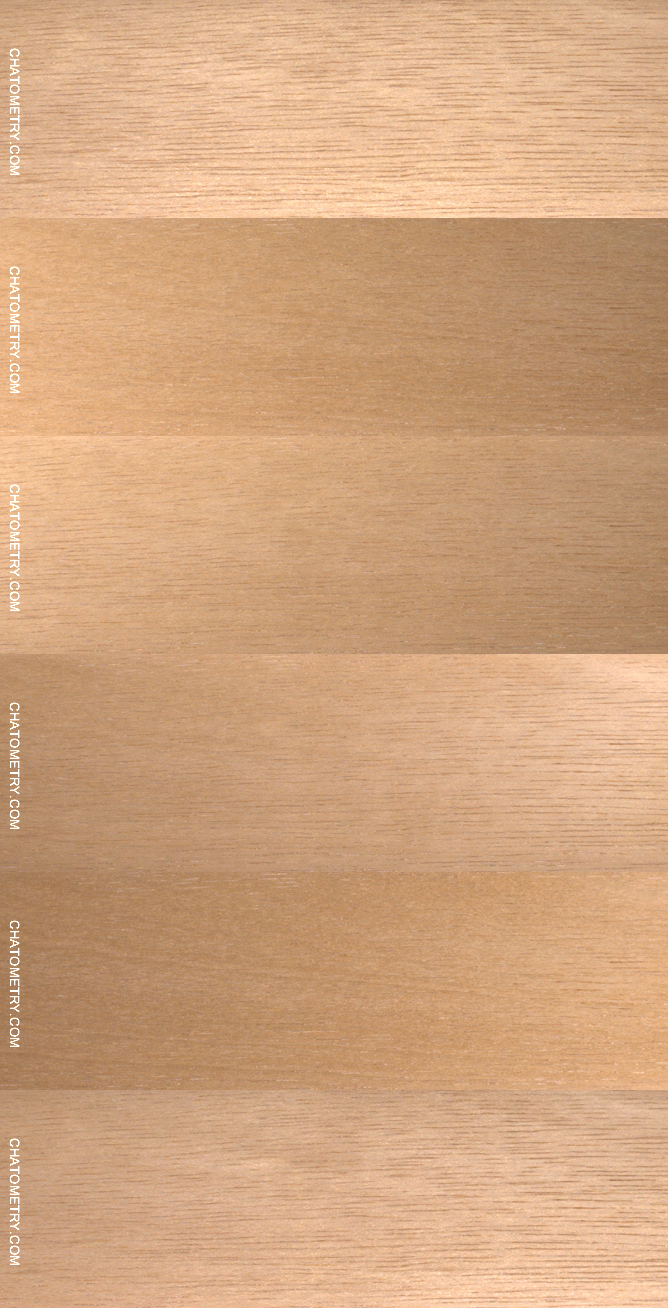
reference picture

Other names: Castanha de macaco, Macacarecuia, Canon ball, Boulet de canon, Boshcalabas

Chatoyance was measured by the chatometry.com team using the PZC method. The statistics for this specific timber are hereby summarized to provide an evaluation of data robustness:
Number of sources for samples: 1
Number of individual trees analyzed: 1
Number of specimens: 3
Number of measurements: 9
Max PZC read (of all measurements): 14.7
Min PZC read (of all measurements): 14.0
Max PZC average on one log: 14.3
Min PZC average on one log: 14.3
PZC Average of all logs: 14.3

Species: couroupita guianensis
Family: Lecythidaceae
Clade: Angiospermae
Description: Couroupita guianensis, or Cannonball Tree, is a large tropical deciduous tree famed for its unique cauliflorous habit. Fragrant, waxy, pink-red flowers bloom directly on the trunk and older branches, maturing into large, round, woody, cannonball-like fruits.
Other Local Names: Castanha de macaco, Macacarecuia, Canon ball, Boulet de canon, Boshcalabas

Reference Colour: Light yellow
Texture: Coarse
Grain: Straight or interlocked
Interlocked Grain: Slight
Notes: Unpleasant odour when green.

Diameter: 60÷120cm
Density @12% MC: 450kg/m³
Janka Hardness: 420lbf
Crushing Strength @12%MC: 33MPa
Static Bending Strength @12%MC: 55MPa
Longitudinal Modulus of Elasticity E: 9.67GPa
Volumetric Shrinkage Coefficient: 0.43% per %
Total Tangential Shrinkage TS: 6.6%
Total Radial Shrinkage TS: 3.9%
T/R Anisotropy Ratio: 1.7-
Fibre Saturation Point: 28%
Thermal Conductivity: 0.16W/mk
Sapwood Demarcation: Not demarcated

Resistance to Decay: Class 5 – non-durable
Resistance to Dry Wood Borers: Class S – susceptible (risk in all the wood)
Resistance to Termites: Class S – susceptible
Treatability: Class 1 – treatable
Use Class Covered by Natural Durability: Class 1 – inside (no risk of dampness) COUROUPITA

Log Buoyancy: Floats
Log Conservation: Low (treatment necessary)
Drying Rate: Normal to slow
Drying Risk of Distortion: High risk
Drying Risk of Case Hardening: Yes
Drying Risk of Checking: Slight risk

Blunting Effect: Normal
Sawing Tooth: Ordinary or alloy steel
Machining Tool: Ordinary
Suitability for Peeling: Good
Suitability for Slicing: Not recommended or without interest
Sawing Machining Notes: Tendency to woolliness. Dust causes coughing. Filling is recommended to obtain a better finish.
Assembly Nailing Screwing: Poor
End Uses: Matches, Interior joinery, Formwork, Built-in furniture or mobile item, Boxes and crates, Moulding, Floats, Blockboard, Veneer for interior of plywood, Fibre or particle boards, Panelling, Marquetry

Source 1: Tropical Timber Atlas, Editions Quae, e-ISBN 978-2-7592-2770-9

[Previous] —————— [Next]

Want to know more? Get Woodworker’s Guide to Chatoyance!

… and enjoy the read!

Lascia un commento Annulla risposta

Il tuo indirizzo email non sarà pubblicato. I campi obbligatori sono contrassegnati *

PZC Chatometry 2026 . Powered by WordPress