Skip to content

PZC Chatometry

A standard system to measure wood chatoyance

Menu
  • Home
  • What is Chatoyance?
    • Curl
    • Ribbon Stripe
    • Other Figures
    • Flecks
    • Growth Rings
    • Knots
  • The PZC method
    • Scale example 1
    • Scale example 2
    • Scale example 3
    • Scale example 4
  • Woods
    • Summary Table
    • Africa
      • Abura
      • Afrormosia
      • Agba
      • Agba
      • Afzelia
      • Aniegre
      • Avodire
      • Azobe
      • Bilinga
      • Bilinga
      • Bomanga
      • Boire
      • Bubinga
      • Cola
      • Ebiara
      • Ebony, Gaboon
      • Etimoe
      • Faro
      • Faro
      • Framire
      • Guarea
      • Iroko
      • Lati
      • Khaya
      • Kosipo
      • Kotibe
      • Kotibe
      • Koto
      • Limba
      • Limba, Black
      • Makore
      • Mansonia
      • Moabi
      • Movingui
      • Niangon
      • Niove
      • Obeche
      • Ocotea
      • Ocotea
      • Ovangkol
      • Okoume
      • Padouk
      • Purpleheart
      • Ramin
      • Rosewood, African Blackwood
      • Rosewood, African Blackwood
      • Rosewood, Madagascar
      • Sapele
      • Sipo
      • Tali
      • Tiama
      • Wenge
      • Walnut, African
      • Zebrawood
    • Asia
      • Acacia, unspecified
      • Ailanthus
      • Albizia, unspecified
      • Alstonia
      • Artocarpus
      • Ash, Tamo
      • Bintangor
      • Bamboo
      • Camphor
      • Coconut
      • Ebony, Black and White
      • Ebony, Macassar
      • Fig, misc.
      • Kapur
      • Keruing
      • Mango
      • Meranti
      • Merbau
      • Mersawa
      • Narra
      • Paulownia
      • Rosewood, Indian
      • Satinwood
      • Sen
      • Sucupira
      • Teak
    • Europe
      • Alder
      • Apple
      • Ash, European
      • Ash, Olive
      • Beech, European
      • Birch
      • Birch, Karelian Burl
      • Black Locust
      • Bog Oak
      • Cedar, European
      • Cherry, Sweet
      • Chestnut, Horse
      • Chestnut, Sweet
      • Cypress, Mediterranean
      • Elm
      • Fir, European Silver
      • Hawthorn
      • Hazelnut
      • Hornbeam
      • Laburnum
      • Lagerstroemia
      • Larch, European
      • London Plane
      • Lime, European
      • Madrone
      • Maple, European
      • Mulberry
      • Oak, Sessile
      • Olive
      • Olive, Russian
      • Poplar, Yellow
      • Pine, Maritime
      • Pine, Swiss Stone
      • Pine, unspecified
      • Pear
      • Poplar
      • Spruce, Fiemme (Ciresa tonewood)
      • Sumac
      • Walnut, European
      • Yew
    • North America
      • Ash, American White
      • Alder, Red
      • Beech, North American
      • Beech, North American
      • Boxelder
      • Butternut
      • Catalpa
      • Cedar, Eastern Red
      • Cedar, Western Red
      • Cherry, Black
      • Cypress, Bald
      • Cypress, Lawson
      • Desert Ironwood
      • Desert Ironwood
      • Dogwood
      • Fir, Douglas
      • Giant Sequoia
      • Hackberry
      • Hemlock
      • Hickory
      • Holly
      • Honey Locust
      • Juniperus misc.
      • Koa
      • Magnolia
      • Maple, Bigleaf
      • Maple, Bigleaf
      • Maple, Hard
      • Mesquite
      • Mesquite
      • Oak, Red
      • Oak, White
      • Osage Orange
      • Osage Orange, Green
      • Red Gum
      • Pecan
      • Pecan
      • Redwood
      • Sassafras
      • Service Tree
      • Sycamore, American
      • Sycamore, American
      • Walnut, Black
      • Walnut, Claro
      • Walnut, Claro
      • Willow
    • Oceania
      • Agathis
      • Ash, Crow’s
      • Australian Blackwood
      • Black Bean
      • Cedar, Australian Red
      • Eucalyptus, unspecified
      • Ash, Mountain
      • Gum, River Red
      • Oak, Tasmanian
      • Jarrah
      • Maple, Queensland
      • Oak, Northern Silky
      • Oak, Southern Silky
      • Pine, Huon
      • She-Oak, River
      • Spotted Gum
      • Tasmanian Myrtle
      • Walnut, Queensland
    • South and Central America
      • Angelim
      • Araucaria
      • Aspidosperma
      • Bloodwood
      • Bocote
      • Canarywood
      • Carapa
      • Cedar, Spanish
      • Cerejeira
      • Chechen
      • Cumaru
      • Curupixa
      • Freijo
      • Garapa
      • Goncalo Alves
      • Goupie
      • Granadillo
      • Guanacaste
      • Guatambu
      • Imbuia
      • Ipe
      • Jacareuba
      • Jatoba
      • Jequitiba
      • Katalox
      • Leopardwood
      • Lignum Vitae
      • Louro Faia
      • Louro Preto
      • Mahogany, Cuban
      • Mahogany, Honduras
      • Massaranduba
      • Nothofagus
      • Osage Orange, Argentine
      • Pao Rosa
      • Peroba Rosa
      • Piquiarana
      • Podocarpus
      • Primavera
      • Rosewood, Brazilian
      • Rosewood, Cocobolo
      • Rosewood, Honduras
      • Rosewood, Kingwood
      • Rosewood, Santos
      • Tatajuba
      • Timbauba
      • Tineo
      • Tulipwood (Brazilian)
      • Ziricote
  • Case studies
  • Services
  • Shop
  • Credits
  • Contacts

Quartersawn vs Flatsawn T

We often get asked: is there a relation between chatoyance and Quartersawn / Flatsawn cut?

This implies another question: is a Quartersawn surface different from a Flatsawn surface?

Yes, especially with woods that show evident Medullary Rays, or Flecks, like Lacewood or Sycamore. This subject is discussed in deeper detail in the page Quartersawn vs Flatsawn on London plane dealing with London plane and in page quartersawn vs flatsawn on red oak dealing with red oak.

This page shows PZC measurements on Quartersawn and Rift or Flatsawn surfaces with species with non-evident flecks.

Our first example is a Teak piece from Seralvo which was re-sawn into 12 samples ranging from Quartersawn to Flatsawn, as shown here:
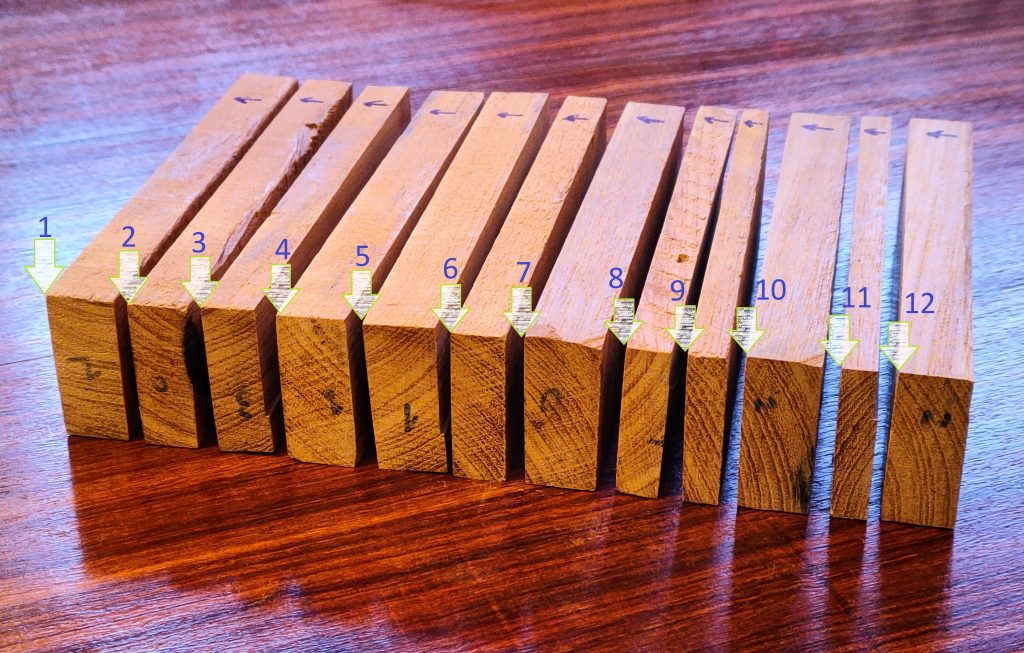
Analyzed surface is on the left of each sample.

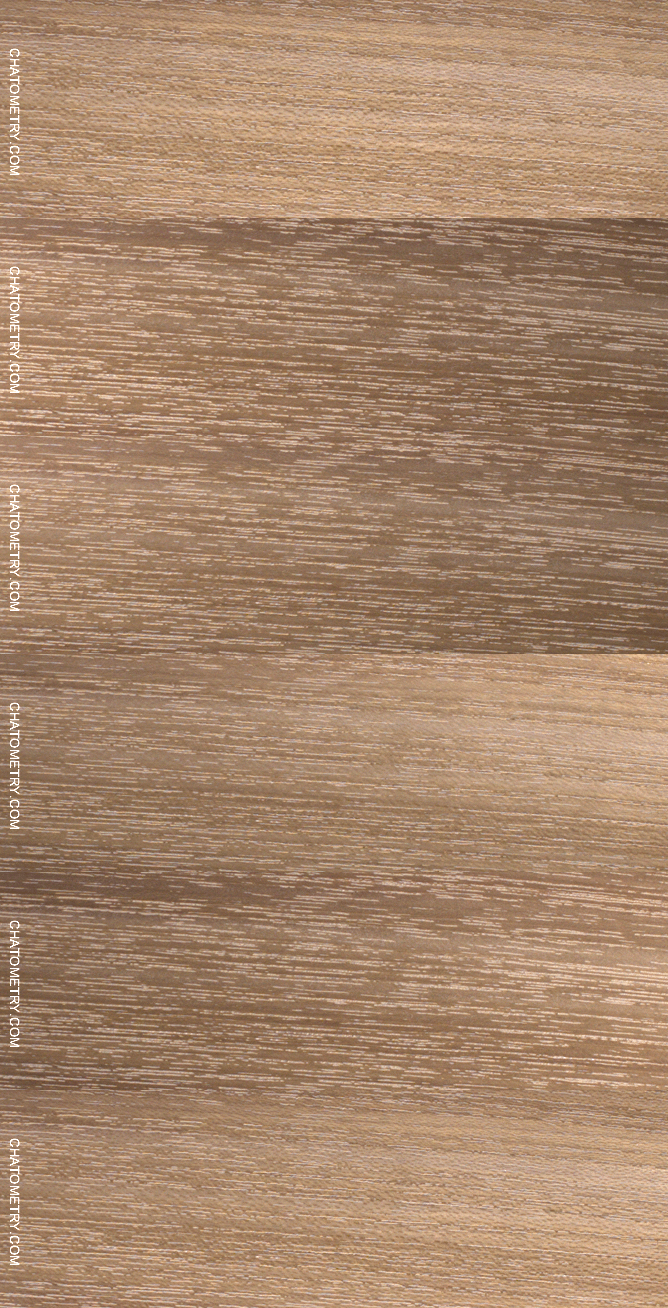
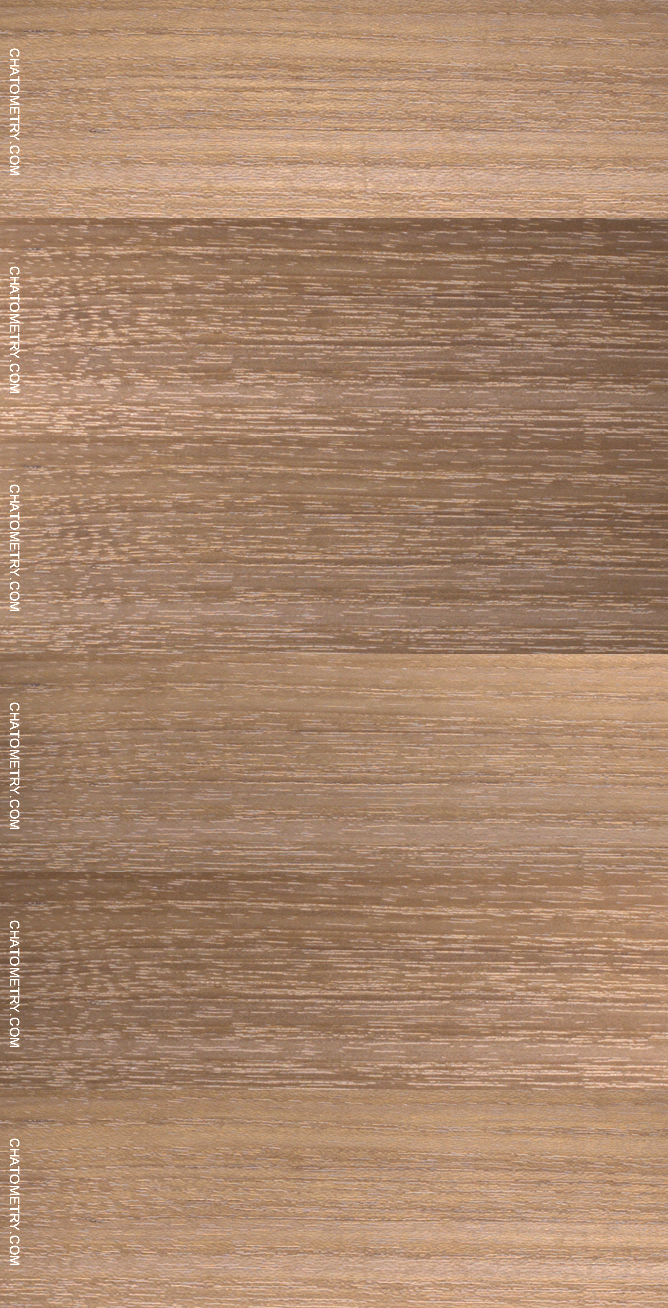
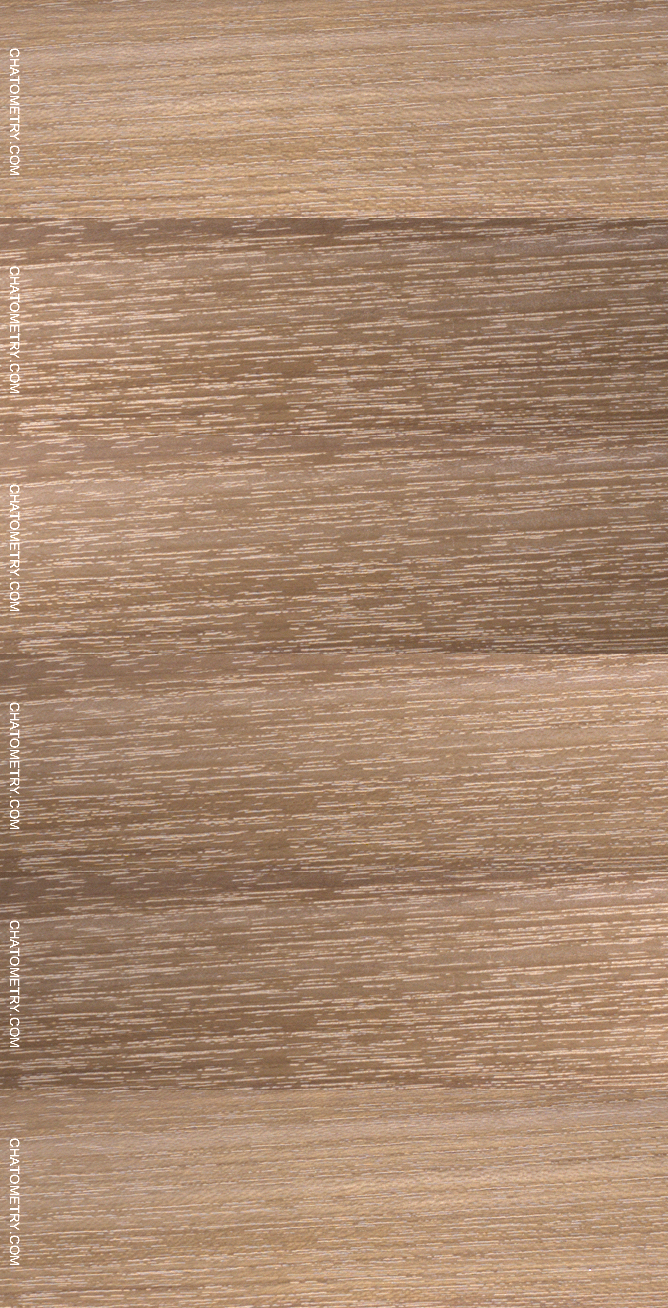
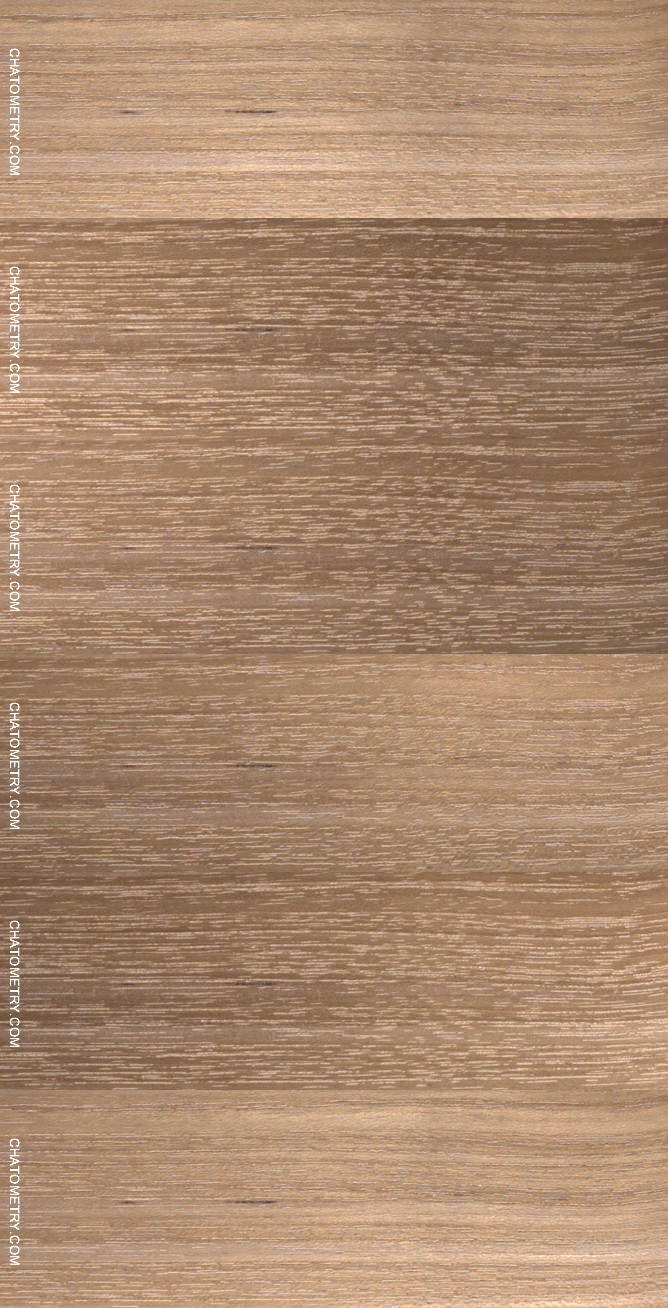
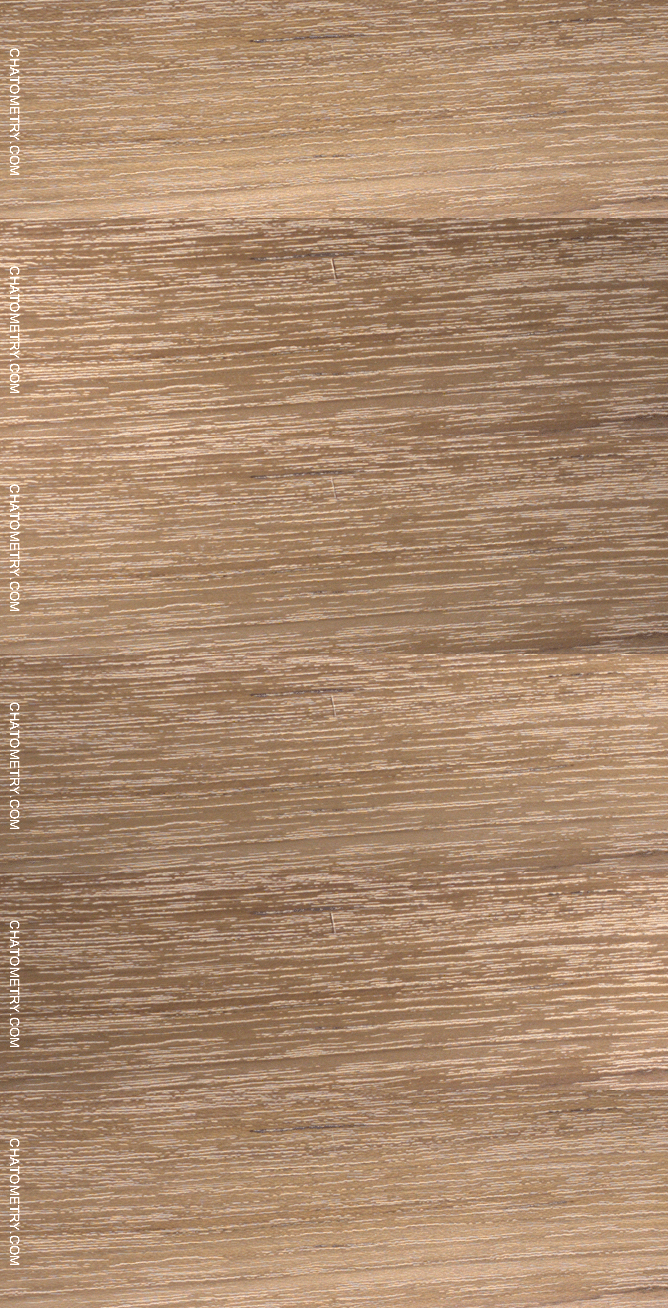
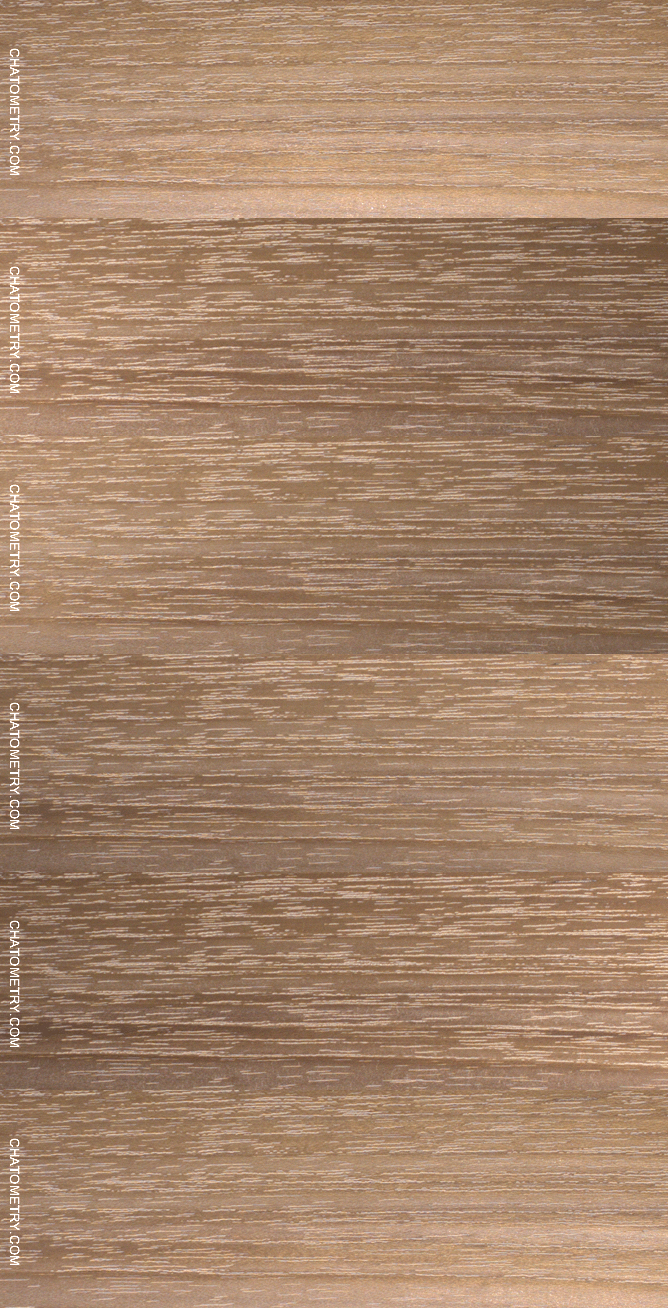
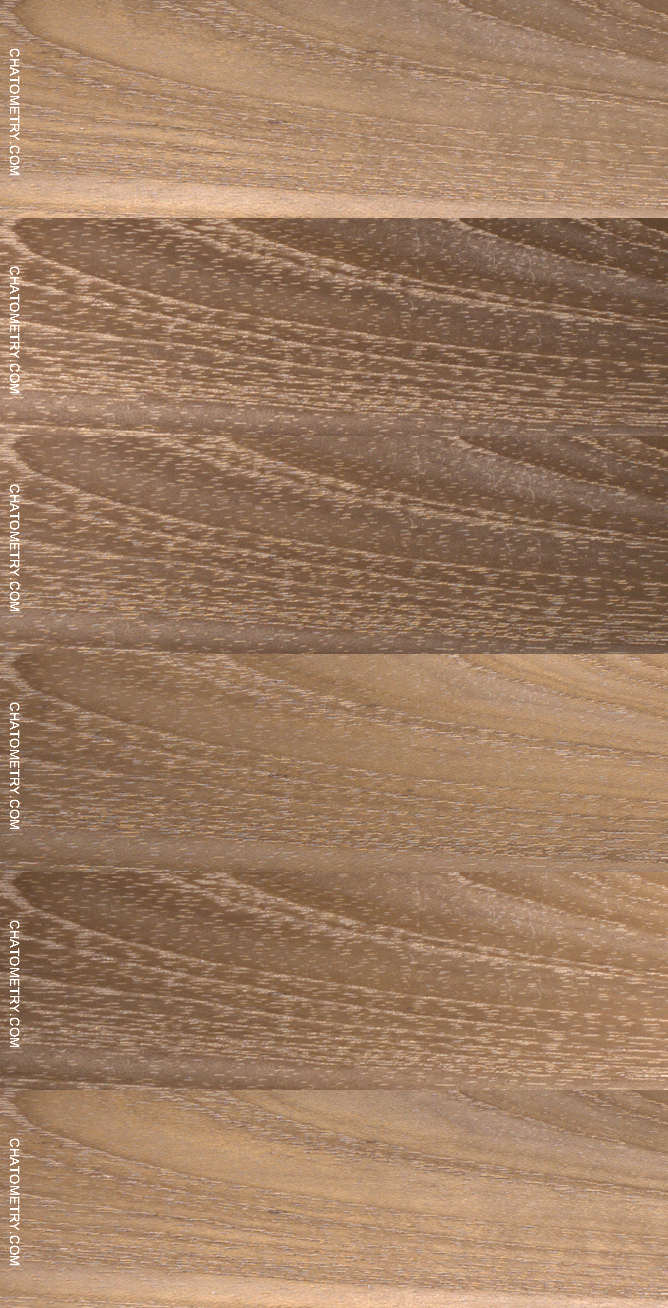
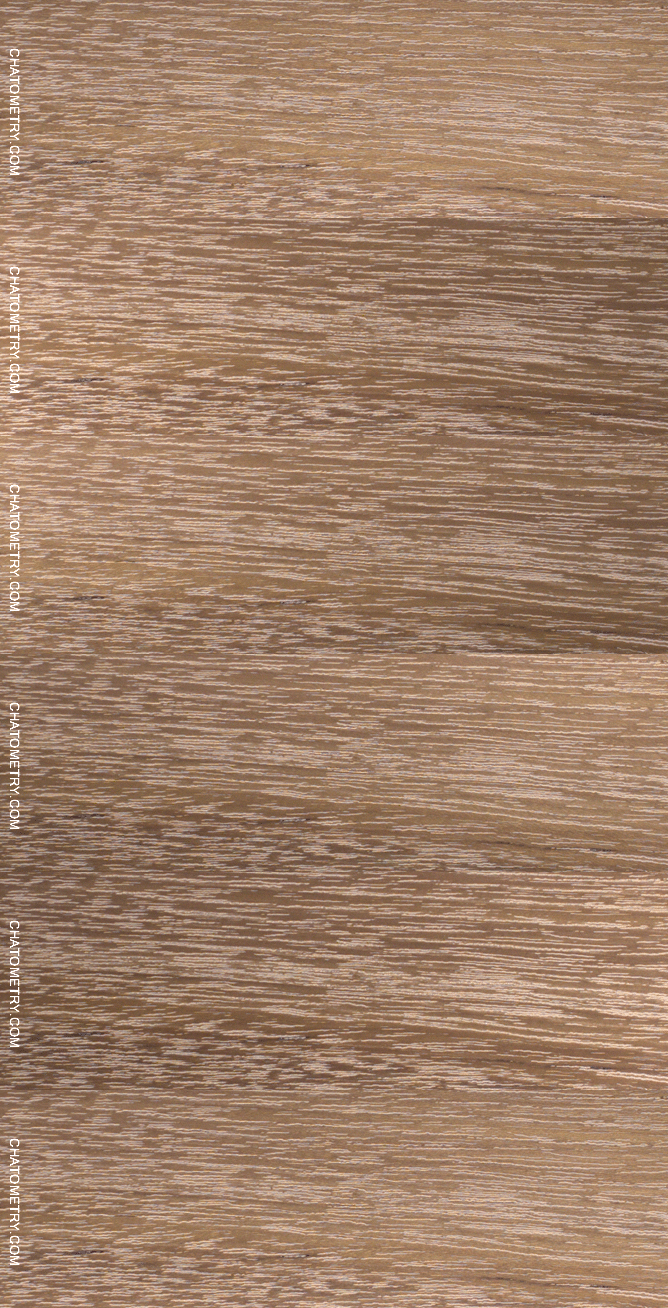
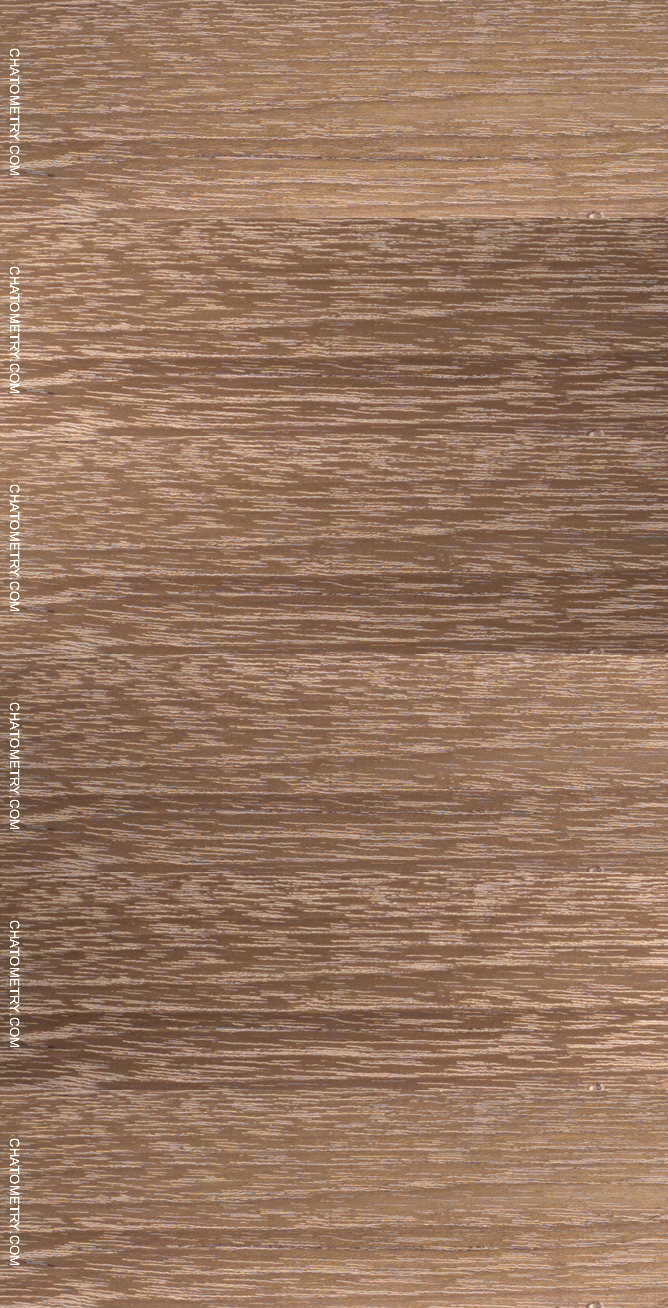
This is how the samples look like:
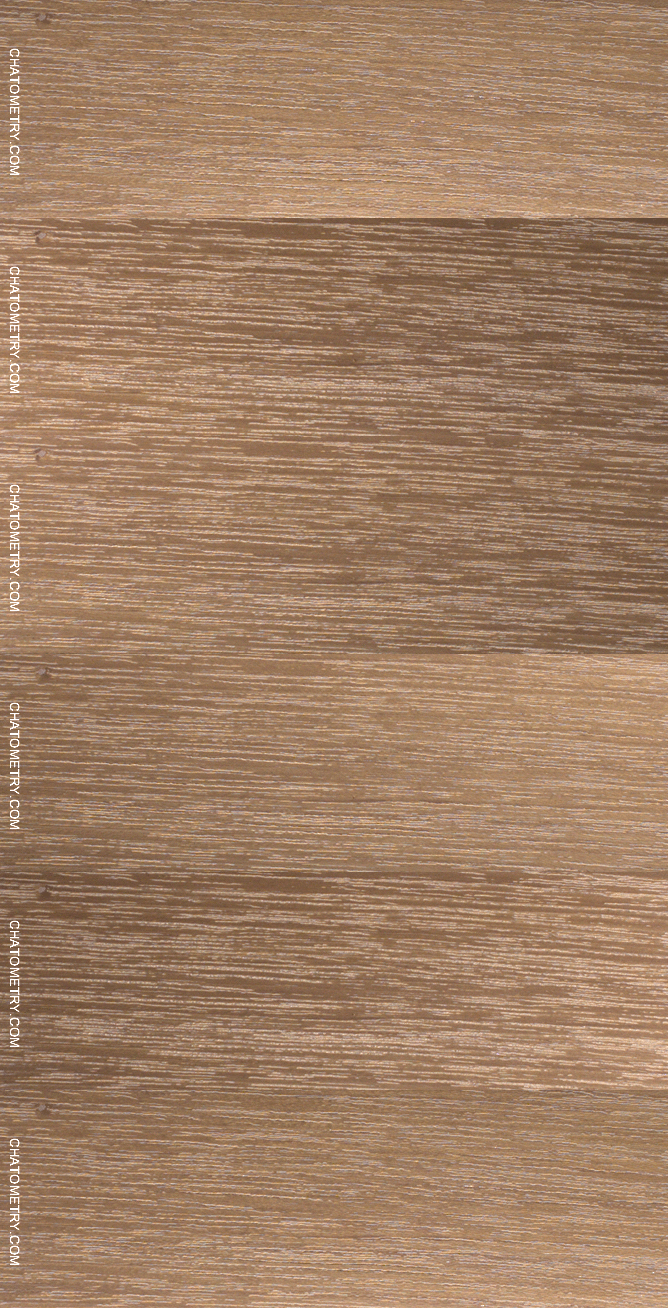
Sample 1 – PZC = 18.8
Sample 2 – PZC = 18.6
Sample 3 – PZC = 16.6
Sample 4 – PZC = 16.8
Sample 5 – PZC = 19.0
Sample 6 – PZC = 15.1
Sample 7 – PZC = 17.7
Sample 8 – PZC = 22.7
Sample 9 – PZC = 15.0
Sample 10 – PZC = 14.8
Sample 11 – PZC = 18.8
Sample 12 – PZC = 19.2

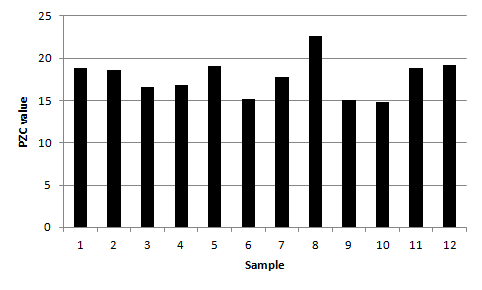
As shown by chart below, there is quite a lot of variation within the piece, and no clear correlation between cut direction and chatoyance.
Want to know more? Get Woodworker’s Guide to Chatoyance!
Available on Amazon in 12 countries – just click on your flag below…

… and enjoy the read!

PZC Chatometry 2025 . Powered by WordPress